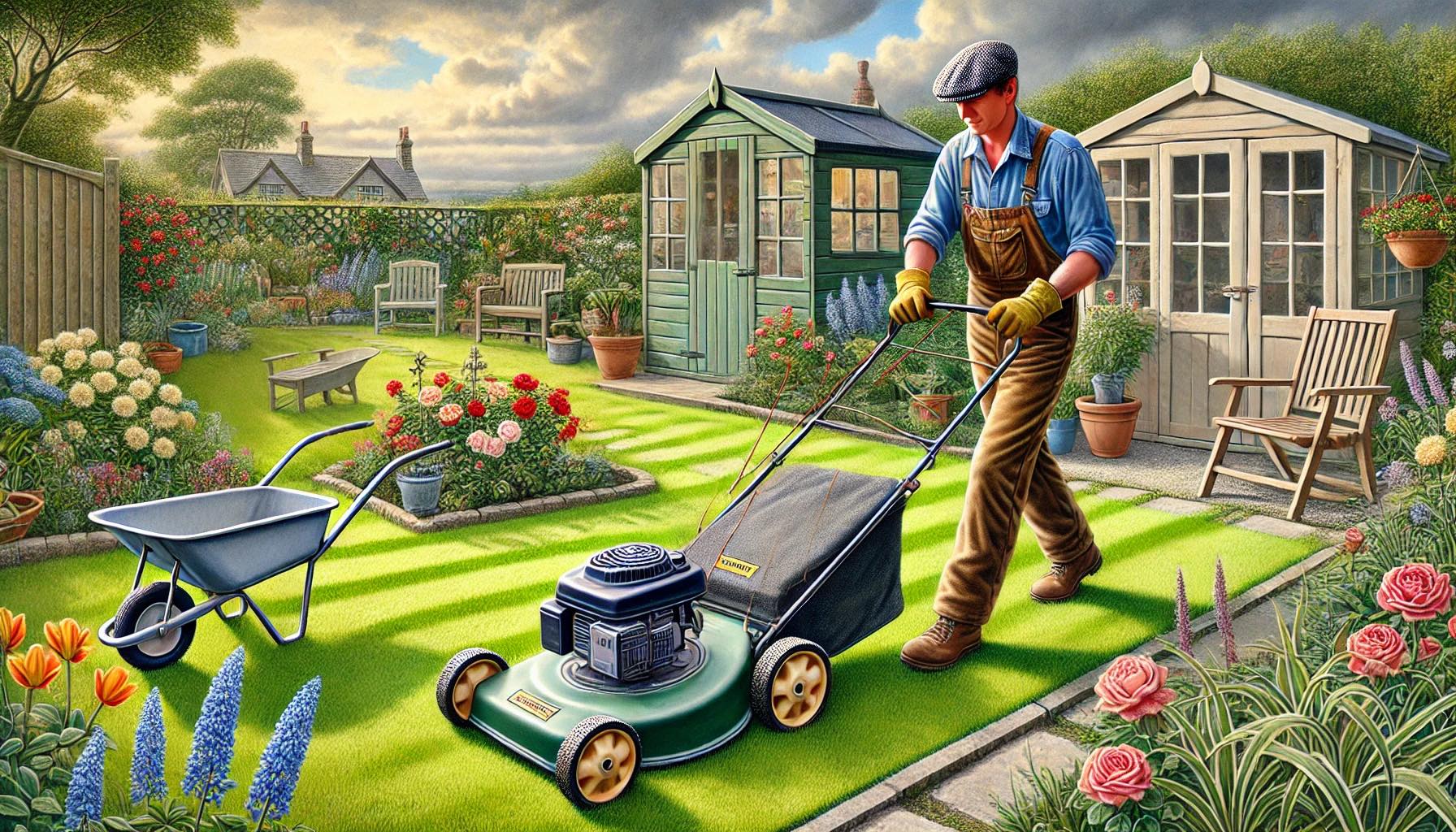
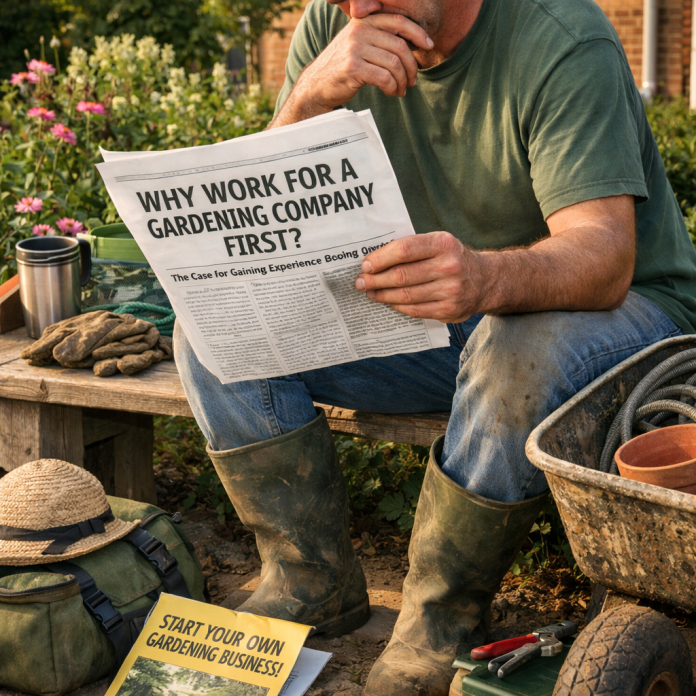
Becoming a self-employed gardener is often sold as the ultimate goal: freedom, better pay, and being your own boss. And while all of that can be true, I’m firmly of the opinion that most gardeners should work for an established gardening company first before going self employed.
Not because self-employment is a bad idea—but because going into it too early is one of the biggest mistakes I see gardeners make.
The Appeal of Going Self Employed
There’s no denying the positives. You control your diary, choose your clients, set your prices, and work in gardens you actually enjoy. There’s pride in building something that’s yours, and satisfaction in seeing your reputation grow through word of mouth.
For experienced gardeners, self-employment can be rewarding, profitable, and creatively fulfilling.
But—and this is a big but—gardening skill alone is not enough.
What Self Employment Really Looks Like
When you’re self-employed, you’re not “just a gardener”. You’re also:
- A bookkeeper
- A marketer
- A negotiator
- A planner
- A problem-solver when things go wrong
Income is rarely consistent, especially in the early years. Weather, illness, cancelled jobs, late payments, and quiet winters all hit harder when you’re relying solely on yourself.
There’s also physical strain. Long days, heavy work, and no sick pay. If you underprice jobs or underestimate time, the cost comes straight out of your own pocket.
Why an Established Company Is the Best Training Ground
Working for a reputable gardening or landscaping company teaches you things no course ever will:
- How long jobs really take
- How pricing works in the real world
- How to deal with difficult clients
- How to work efficiently and profitably
- What standards clients expect—and complain about
You also learn how businesses are run behind the scenes: quoting, scheduling, equipment investment, and managing expectations. Just as importantly, you learn what not to do.
And you get paid while learning—without the stress of invoices, insurance, tax returns, and finding work.
Experience Builds Confidence (and Credibility)
Time spent with an established company builds confidence, speed, and professionalism. When you eventually go self-employed, you’re not guessing—you’re prepared.
You’ll know:
- What to charge
- What work to accept
- What work to walk away from
- How to protect your body and your reputation
Clients can spot an experienced professional instantly. That experience doesn’t come from enthusiasm alone—it comes from years on the tools, often under someone else’s guidance.
My Conclusion
Self-employment in gardening can be excellent, but it’s not the best starting point.
My honest advice?
Work for a good gardening company first. Learn everything you can. Watch how the business operates. Build your skills, confidence, and judgement.
Then—when you’re ready—you won’t just become self-employed.
You’ll become successful, sustainable, and far less stressed.
And that’s the difference between surviving in gardening… and thriving.