
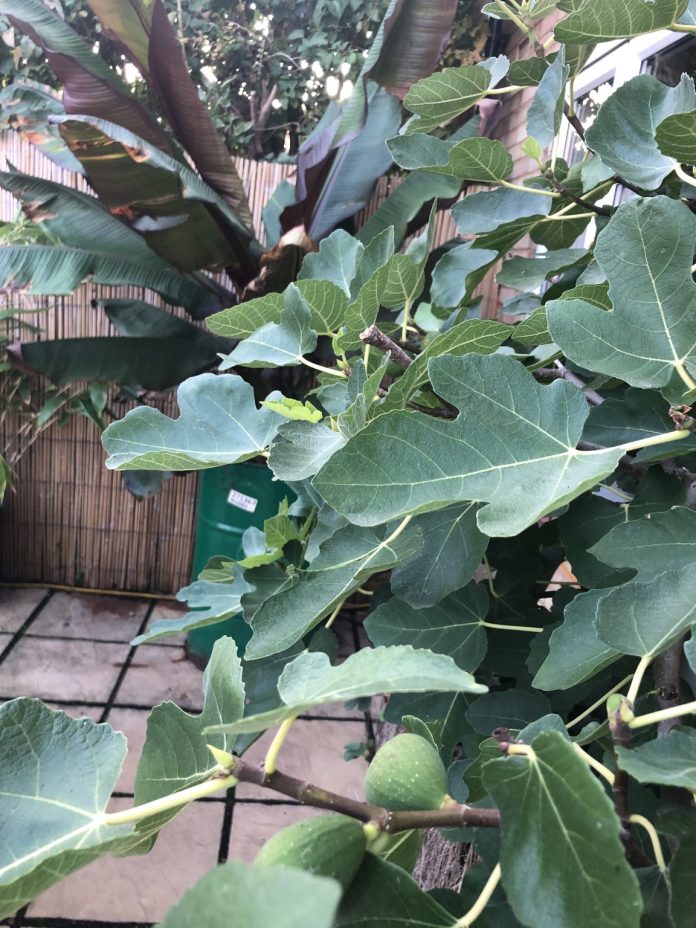
Why Are My Fig Leaves Going Yellow?
Yellowing leaves on a fig tree can be worrying, especially when the plant otherwise looks healthy. Figs are generally robust and forgiving, but leaf colour is one of the clearest signals that something isn’t quite right. The good news is that most causes are easy to identify and fix once you know what to look for.
1. Natural Seasonal Yellowing
Before assuming there’s a problem, consider the time of year. Figs are deciduous trees, and yellowing leaves in autumn are completely normal. As days shorten and temperatures drop, the tree withdraws nutrients from the leaves before they fall.
If yellowing is happening in late summer or autumn and the tree has otherwise grown well, this is simply part of its natural cycle.
2. Overwatering and Poor Drainage
One of the most common causes of yellow fig leaves is too much water.
Figs like moisture but hate sitting in soggy soil. When roots are waterlogged, they can’t take up oxygen properly, which leads to stress and yellowing foliage. Leaves may turn pale yellow and drop prematurely.
This is especially common in:
- Heavy clay soils
- Pots without adequate drainage
- Wet summers
If the soil feels consistently wet rather than just damp, drainage is likely the issue.
3. Underwatering and Drought Stress
At the other extreme, lack of water can also cause yellowing. During dry spells, figs may shed older leaves to conserve moisture. The leaves often turn yellow before falling, particularly lower down the plant.
Container-grown figs are especially vulnerable, as pots dry out quickly in warm or windy weather.
Consistent watering during prolonged dry periods is key, especially when fruits are forming.
4. Nutrient Deficiency
Yellow leaves can indicate that your fig is short of nutrients, particularly nitrogen or magnesium.
- Nitrogen deficiency usually causes overall pale growth, starting with older leaves.
- Magnesium deficiency often shows as yellowing between the veins, while the veins themselves remain green.
This is more common in:
- Poor or exhausted soils
- Long-term container-grown figs
- Plants not fed for several seasons
A balanced feed in spring and early summer usually corrects the problem.
5. Pot-Bound Roots
Figs actually tolerate restricted roots better than many trees, but severely pot-bound plants can struggle to absorb water and nutrients properly. This stress often shows as yellowing leaves, slow growth, and reduced fruiting.
If roots are circling densely around the pot, it may be time to move the fig into a slightly larger container or refresh the compost and trim the roots.
6. Cold Stress
Late spring frosts or cold winds can cause fig leaves to yellow, scorch, or drop. This is particularly noticeable on young growth, which is more sensitive to temperature fluctuations.
In cooler climates, figs planted against a sunny wall usually recover well once temperatures stabilise.
7. Pests and Disease
While figs are relatively trouble-free, sap-sucking insects such as spider mites or scale can cause leaf yellowing over time. Infested leaves may look dull, mottled, or slightly speckled rather than evenly yellow.
Fungal diseases are less common but can also cause discolouration, often accompanied by spotting or leaf drop.
How to Diagnose the Problem
Ask yourself a few simple questions:
- Is it the right time of year for leaf drop?
- Has the soil been very wet or very dry?
- Has the tree been fed recently?
- Is it growing in a pot or the ground?
- Are only older leaves affected, or new ones too?
The pattern of yellowing often points clearly to the cause.
In Summary
Yellow fig leaves are usually a sign of water stress, nutrient imbalance, or seasonal change, rather than serious disease. With correct watering, good drainage, and occasional feeding, most fig trees quickly return to healthy green growth.
Figs are resilient plants, and once their basic needs are met, they reward you with lush foliage and, of course, delicious fruit.