
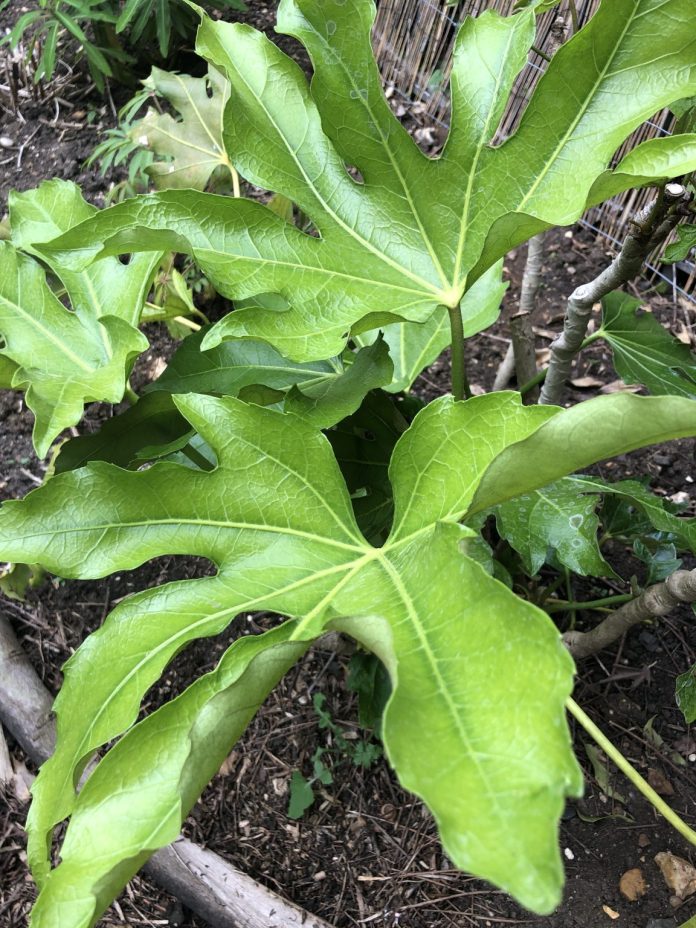
Why Are My Fatsia Leaves Curling?
Fatsia japonica is a popular evergreen shrub known for its large, glossy, tropical-looking leaves. So when those big, dramatic leaves start to curl, it can be worrying. Leaf curling is usually a sign that something in the plant’s environment isn’t quite right, but most causes are easy to identify and fix.
1. Environmental Stress
One of the most common reasons for curling leaves is stress from environmental conditions. Fatsias prefer shade to part shade, and sudden exposure to hot sun or strong winds can cause the leaves to curl in order to conserve moisture.
Other environmental factors that can trigger curling include:
- Sudden temperature changes, particularly cold drafts in winter
- Excessive heat, either from summer sun or being too close to radiators indoors
- Low humidity, which dries out leaves and causes them to curl at the edges
2. Watering Issues
Both overwatering and underwatering can lead to curled Fatsia leaves:
- Overwatering: Waterlogged roots struggle to absorb oxygen, causing stress that shows in the leaves. They may curl and turn yellow.
- Underwatering: If the soil is dry for too long, leaves curl to reduce water loss. Lower leaves are usually affected first.
The key is to keep the soil consistently moist but well-drained, allowing the top inch or so to dry slightly between waterings.
3. Pests
Curling leaves can also indicate a pest problem. The most common culprits on Fatsia are:
- Aphids – small green, black, or brown insects that cluster on new growth
- Scale insects – small, brown, hard bumps that suck sap
- Spider mites – tiny, almost invisible, leaving fine webbing and pale speckling
Pest damage usually affects new growth first, and heavily infested leaves may curl, distort, or drop. A gentle spray with water or an insecticidal soap can usually solve the problem.
4. Nutrient Deficiency
Although less common, nutrient deficiencies can also lead to curling leaves. Lack of nitrogen, potassium, or magnesium may cause leaf distortion, yellowing, or curling edges. Regular feeding with a balanced, slow-release fertiliser can help Fatsia maintain healthy, glossy leaves.
5. Disease
Fatsia is generally hardy, but fungal diseases like leaf spot can sometimes cause leaves to curl along with yellowing or brown patches. Good air circulation and removing infected leaves can prevent disease from spreading.
How to Diagnose
To identify the cause, look for patterns:
- Are only new leaves affected? Check for pests.
- Are all leaves curling? Check watering and environmental conditions.
- Are there spots or discoloration? Consider disease or nutrient issues.
In Summary
Leaf curling in Fatsia is usually a response to stress, whether from water, pests, light, or temperature. By checking watering habits, improving growing conditions, and inspecting for pests, you can usually correct the problem quickly. With proper care, your Fatsia will soon return to its lush, tropical appearance, with big glossy leaves making a bold statement in your garden.