
The Newspaper For Gardeners

Looking Out for Hedgehogs...

Hedgehogs are some of the most endearing creatures in our gardens, but winter...

Prune Apple Trees

Pruning is an essential task for maintaining healthy, productive apple trees. Proper pruning...

Dividing Snowdrops: A Step-by-Step...

Snowdrops (Galanthus spp.) are a cherished sight in late winter, heralding the arrival...

Force Rhubarb: A Gardener’s...

Forcing rhubarb is a traditional gardening technique that produces tender, sweet stalks, perfect...
Wednesday, January 7, 2026
Gardening questionsWhere to plant Crocosmia Lucifer?

Where to plant Crocosmia Lucifer?

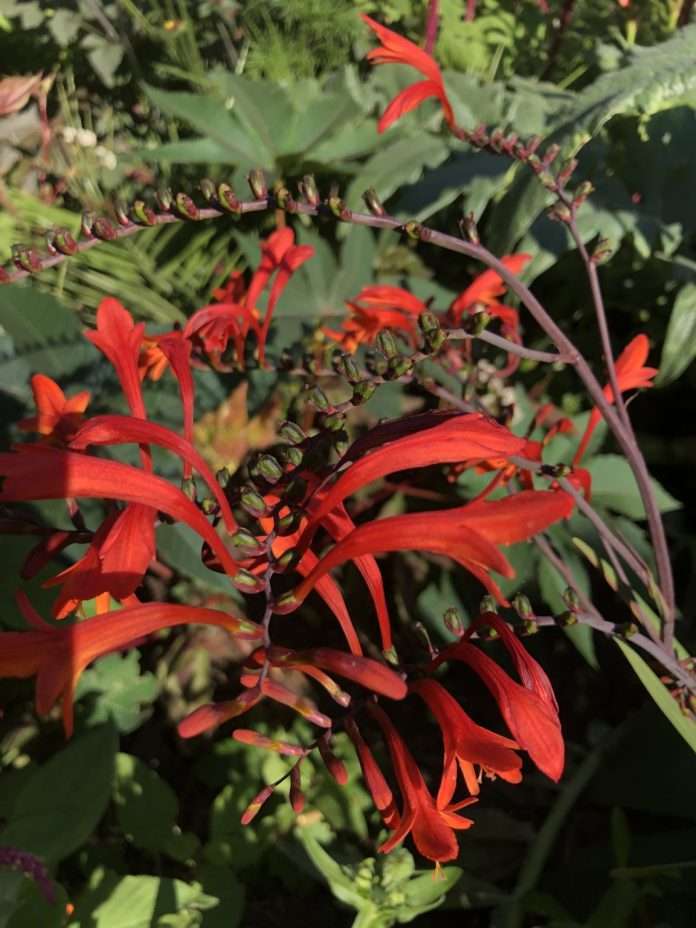
Crocosmia ‘Lucifer’ is a show-stopping perennial that brings bright red, trumpet-shaped flowers to your garden in summer. Plant it in the right spot, and it will reward you with a bold, long-lasting display.

1. Choose a Sunny Position

Sunlight is key for Crocosmia ‘Lucifer’. While it can survive in partial shade, flowers will be sparse and less vibrant.

Pro tip: Aim for at least 6 hours of direct sunlight per day for maximum bloom.

2. Prepare the Right Soil

‘Lucifer’ isn’t fussy about soil pH, but it thrives in:

  • Rich, moist soil to fuel strong growth
  • Well-drained conditions to prevent corm rot

⚠️ Avoid waterlogged areas – too much standing water can harm the plant.

3. Be Mindful of Invasiveness

Some Crocosmias can spread aggressively. Crocosmia is listed in Schedule 9 of the Countryside Act 1981 as invasive.

How to manage spread:

  • Plant away from neighbouring gardens and wild areas
  • Divide and lift corms if clumps get too large
  • Dispose of unwanted plants responsibly

4. Quick Crocosmia ‘Lucifer’ Planting Tips

  • Sun: Full sun = best flowering
  • Soil: Rich, moist, well-drained; pH flexible
  • Water: Keep evenly moist but not soggy
  • Care: Monitor for spreading; divide as needed

By planting Crocosmia ‘Lucifer’ in the right location and keeping an eye on its growth, you’ll enjoy a dazzling, fiery display all summer long. Perfect for borders, flower beds, or mixed perennial schemes.


spot_img

lOOKING FOR MORE WORK?

The free and easy way to get more customers. Just join Find Local Gardeners.

Caladiums are tender tropical perennials grown for their striking foliage. They cannot survive frost, so in temperate regions like the UK, their tubers must...
Here’s a clear article followed by a practical grow guide, written in a style that will sit nicely alongside your other Local Gardener content. Where...
Trachycarpus fortunei, the windmill palm, is dioecious, meaning individual plants are either male or female. Telling them apart can be tricky before they reach...
A wide-ranging community and stakeholder discussion on the potential reintroduction of lynx to northern Scotland is being launched this month by the Lynx to...
Fatsia japonica camouflage is easy to grow providing you get a few things right. First it must be in the right position. They like...

How to grow Crocosmias

Here's a step-by-step guide on how to grow Crocosmias in the UK Crocosmias, commonly known as montbretia, are vibrant and attractive perennial plants that produce colorful flowers. They are relatively easy to grow in the UK and thrive in well-drained...

Continue reading

How to Overwinter Caladiums

Caladiums are tender tropical perennials grown for their striking foliage. They cannot survive frost, so in temperate regions like the UK, their tubers must be lifted and stored over winter. 1. Wait for Natural Dormancy Caladiums naturally die back in autumn...

Where is the best place to plant Hakonechloa?

Here’s a clear article followed by a practical grow guide, written in a style that will sit nicely alongside your other Local Gardener content. Where Is the Best Place to Plant Hakonechloa? Hakonechloa macra, often called Japanese forest grass, is one...

How to tell the difference between a male and female Trachycarpus fortunei?

Trachycarpus fortunei, the windmill palm, is dioecious, meaning individual plants are either male or female. Telling them apart can be tricky before they reach maturity, because they look identical as juveniles. Here’s how you can distinguish them: 1. Flower Appearance Male...

SUBSCRIBE TO OUR YOUTUBE CHANNEL

Plant advice for unusual species plus updates from our tropical garden

SUBSCRIBE