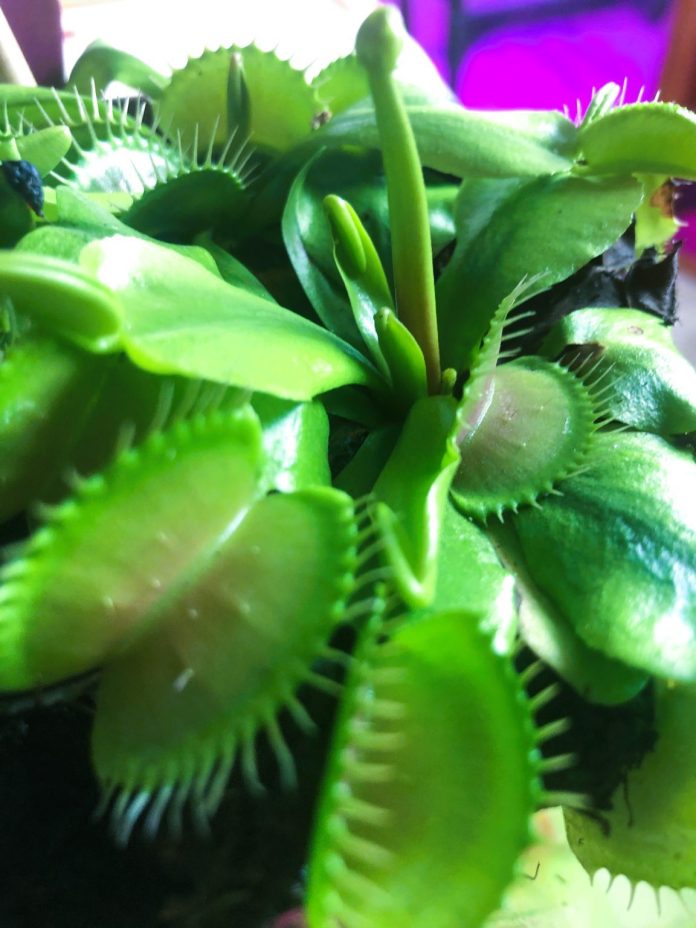
The Venus flytrap (Dionaea muscipula) is one of the most fascinating plants in the natural world. Found natively in the nutrient-poor soils of the Carolinas in the United States, this carnivorous plant has evolved a cunning strategy to supplement its diet: catching and digesting live prey, usually insects or arachnids. But what makes this plant truly remarkable is its ability to “count” before taking action.
How Does the Venus Flytrap Count?
The Venus flytrap’s leaves are modified into trap-like structures lined with sensitive trigger hairs. When an unsuspecting insect lands on the trap, it may brush against one of these hairs. A single touch isn’t enough to close the trap. Instead, the plant “remembers” this first touch for about 20 seconds. If a second touch occurs within that time, the trap snaps shut, sealing its prey inside.
This ability to “count” helps the Venus flytrap conserve energy. Closing its trap is a costly process, and doing so unnecessarily—for example, in response to falling debris or raindrops—would waste precious resources. The two-touch system ensures the plant only reacts when there’s a high likelihood of catching a meal.
What Happens Next?
Once the trap closes, it doesn’t immediately seal completely. Instead, it forms a loose cage-like structure that allows small, non-prey objects to escape. If the trapped object continues to move inside the trap, additional triggers stimulate the plant to seal the trap entirely. This creates an airtight chamber where digestive enzymes break down the prey over the next 5–12 days, absorbing nutrients like nitrogen and phosphorus that the plant can’t obtain from the soil.
The Science Behind the Trap
The counting mechanism is made possible by electrical signals, much like the action potentials in animal nerve cells. When a trigger hair is touched, an electrical charge is generated and stored in the leaf tissue. A second charge within 20 seconds activates specialized cells at the edges of the trap, causing them to change shape and snap the trap shut.
Why Is This Important?
The Venus flytrap’s ability to count highlights the sophisticated adaptations plants can develop to survive in challenging environments. Despite lacking brains or nervous systems, plants like the Venus flytrap demonstrate behaviors that seem almost intentional, blurring the line between plant and animal-like abilities.
Caring for a Venus Flytrap
If you’re tempted to grow this fascinating plant, it’s worth noting that Venus flytraps require specific conditions to thrive. They need:
- Bright light: Full sun or a grow light for at least 12 hours a day.
- Moisture: Distilled water or rainwater, as tap water can harm them.
- Nutrient-poor soil: A mix of sphagnum moss and sand or perlite.
- Dormancy: During winter, they need a rest period with cooler temperatures.
Avoid triggering the traps unnecessarily, as this can exhaust the plant. Let nature do the work, or offer an occasional insect if you’re growing one indoors.
Feeding a Venus flytrap flies or other small insects is not always necessary, but it can be beneficial depending on where and how the plant is grown. Here’s what you need to know:
Do Venus Flytraps Need Flies to Survive?
In their natural habitat, Venus flytraps rely on insects to supplement the nutrients they can’t get from their nutrient-poor soil. If you’re growing one indoors or in a controlled environment, feeding insects can help it thrive, but it isn’t essential if the plant is otherwise healthy and gets enough sunlight.
When to Feed It
If your Venus flytrap isn’t catching its own prey (e.g., indoors or in a greenhouse):
- Feed it sparingly: Offer a small insect (like a fly, spider, or cricket) every 1–2 weeks during its active growing season (spring through autumn).
- Avoid overfeeding: Only one or two traps need to be fed at a time. Feeding too often can stress the plant.
What to Feed It
- Small, live insects are ideal, as movement triggers the trap to close properly.
- If live insects aren’t available, you can use dried ones (like freeze-dried bloodworms), but you’ll need to rehydrate them and gently stimulate the trap to mimic movement.
- Never feed it human food like meat, cheese, or fruit—this can rot the trap and harm the plant.
When Not to Feed It
- During dormancy: Venus flytraps go dormant in winter, during which they don’t need to eat.
- If they’re outdoors: Plants grown outside usually catch enough prey on their own.
- If traps are closed often: Avoid feeding it if the traps seem stressed or inactive from frequent triggering.
Each trap on a Venus flytrap can typically close 3 to 5 times during its lifespan before it stops functioning and dies off. After this, the plant produces new traps to replace the old ones.
Here’s what happens over the life of a trap:
1. Initial Closures
- The first closures are the most effective.
- Traps can open again after catching debris or failing to secure prey.
2. Digestive Closures
- If the trap successfully captures prey, it seals completely and spends 5–12 days digesting the meal.
- After digestion, the trap reopens, revealing the indigestible remains of the insect.
3. Decline
- With each closure, the trap becomes less responsive and may eventually turn black and die.
Why Limited Closures?
Closing and reopening is energy-intensive. Since the Venus flytrap lives in nutrient-poor soil, it must conserve resources by limiting how often each trap can close. This efficiency ensures the plant focuses on catching prey rather than reacting to non-nutritive triggers like raindrops.
Care Tip
Avoid manually triggering the traps unnecessarily. This exhausts the plant’s energy and reduces the lifespan of each trap. Let the traps close naturally when catching prey or during feeding.
Feeding a Venus flytrap can be fascinating, but in many cases, letting nature take its course is the best approach. If you provide the right growing conditions—plenty of light, proper soil, and water—it will likely thrive without needing your help in catching its meals!
Conclusion
The Venus flytrap is a marvel of evolution, combining mechanical precision with chemical signaling to catch its prey. Its ability to “count” shows that intelligence in the natural world doesn’t always require a brain—it’s all about adaptation and survival. The next time you encounter a Venus flytrap, remember that it’s not just a plant; it’s a master of strategy, efficiency, and resourcefulness.
Venus Flytrap – Dionaea muscipula Grow Guide
Common name: Venus Flytrap
Family: Droseraceae
Type: Carnivorous perennial
Hardiness: RHS H3 – hardy outdoors in mild UK areas with winter protection; commonly grown as a houseplant
Ultimate size: 10–15 cm tall × 15–20 cm wide
Overview
The Venus Flytrap is one of the most famous carnivorous plants, native to nutrient-poor bogs of North and South Carolina. It is grown for its snap-shut traps, which close when trigger hairs are touched by insects. Despite its exotic behaviour, it is surprisingly hardy if grown correctly and allowed a proper winter dormancy.
Position
- Light: Full sun to very bright light
- Minimum 4–6 hours of direct sunlight daily
- Outdoors in summer gives the strongest growth and colour
- Indoors: brightest south- or west-facing windowsill
Soil
- Type: Nutrient-free, acidic growing medium
- Use:
- 50% peat moss + 50% perlite
- or specialist carnivorous plant compost
- ❌ Never use standard compost or add fertiliser
Planting & Potting
- When: Spring
- Use plastic or glazed pots (terracotta leaches minerals)
- Repot every 1–2 years to refresh compost
- Shallow pots are suitable but must retain moisture
Watering
- Use rainwater, distilled, or de-ionised water only
- Keep pots standing in 1–2 cm of water during growing season
- Soil should stay constantly moist, never dry
- Reduce watering slightly in winter but never let compost dry out
Feeding
- No fertiliser required
- Plant catches its own insects outdoors
- Indoors, occasional small live insects are sufficient
- ❌ Never feed meat or dead insects
Growth & Habit
- Low-growing rosette of hinged traps
- Traps are green with red interiors when grown in strong light
- Each trap closes only a few times before dying naturally
- Plant produces new traps continuously during the growing season
Flowering
- Months: May–June (UK)
- Tall flower stems with small white flowers
- Remove flower stalks on young or weak plants to conserve energy
Winter Dormancy (Very Important)
- Required for long-term health
- October–February: plant slows down and traps die back
- Keep cool at 0–10 °C
- Suitable for unheated greenhouse, cold frame, or cool windowsill
- Growth resumes naturally in spring
Maintenance
- Remove dead black traps to prevent mould
- Ensure good airflow
- Protect outdoor plants from prolonged hard frost
Propagation
- Division: During spring repotting
- Leaf pullings: Possible but slow
- Seed: Slow and requires stratification
Pests & Problems
- Aphids and fungus gnats can affect young growth
- Grey mould if airflow is poor
- Weak growth usually caused by:
- Low light
- Mineral-rich water
- Lack of winter dormancy
Garden & Indoor Use
- Bog gardens and carnivorous plant displays
- Outdoor pots in summer
- Companion plants:
- Sarracenia
- Drosera
- Darlingtonia
Quick Reference Table
| Feature | Details |
|---|---|
| Hardiness | RHS H3 – hardy with protection |
| Height | 10–15 cm |
| Spread | 15–20 cm |
| Flowering | May–June |
| Position | Full sun / very bright light |
| Soil | Peat-based, nutrient-free |
| Water | Rainwater only; keep constantly moist |
| Feeding | Catches insects naturally |
| Dormancy | Essential winter rest |
| Propagation | Division, leaf pullings, seed |
| Best feature | Snap-shut insect traps |