
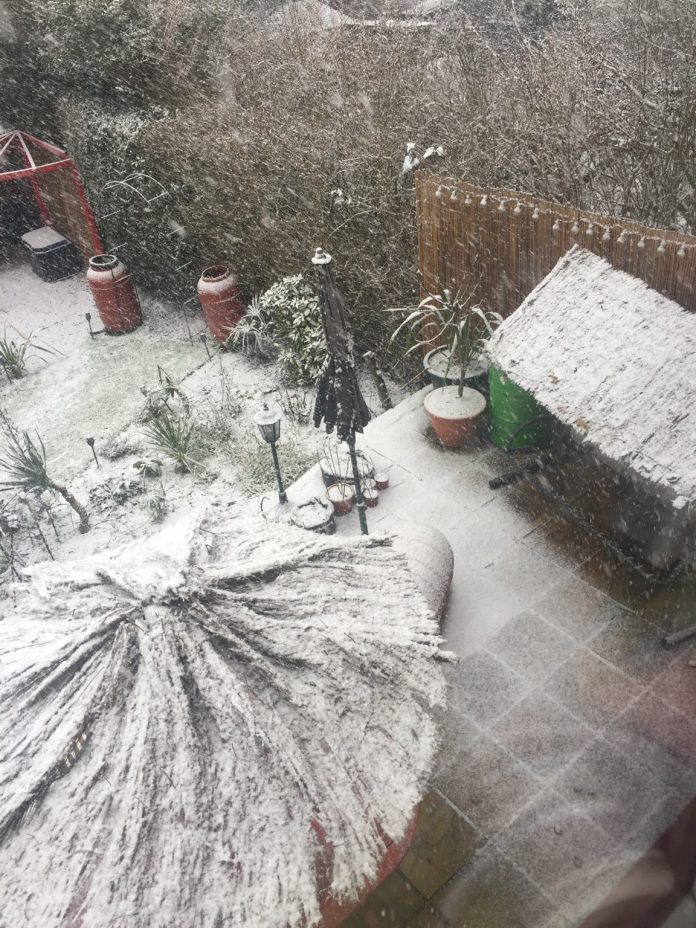
For gardening enthusiasts, understanding the climate zones is essential for choosing the right plants that will thrive in their local environment. While the United States Department of Agriculture (USDA) Plant Hardiness Zone Map is well-known among American gardeners, its relevance extends beyond the US borders. In the UK, where gardening is a beloved pastime, understanding USDA zones can provide valuable insights into plant selection and care. Let’s delve into what USDA zones are and how they can be applied in the UK context.
What are USDA Zones?
The USDA Plant Hardiness Zone Map divides North America into 13 zones based on average annual minimum winter temperatures. Each zone represents a 10°F (-12.2°C) difference in temperature. For example, Zone 1 represents areas with the coldest winters (below -50°F or -45.6°C), while Zone 13 represents areas with the mildest winters (above 60°F or 15.6°C).
Applying USDA Zones in the UK:
While the USDA zones are designed for North America, gardeners worldwide can still use them as a reference point for understanding plant hardiness. In the UK, where the climate is influenced by the Gulf Stream, USDA zones can provide valuable insights, although they are not an exact match.
The UK experiences a maritime climate characterized by mild winters and cool summers. However, there are regional variations influenced by factors such as altitude, proximity to the sea, and local microclimates. Gardeners can use USDA zones as a starting point to assess the suitability of plants for their specific location.
For instance, areas with milder winters, such as coastal regions and urban areas, may correspond to USDA Zones 8 or even 9 in some cases. These areas offer favorable conditions for a wide range of plants that thrive in mild climates. On the other hand, inland and higher altitude areas may align more closely with USDA Zones 6 or 7, indicating colder winter temperatures and a narrower selection of suitable plants.
Choosing Plants for Your USDA Zone:
Once you’ve identified your approximate USDA zone in the UK, you can use this information to select plants that are well-suited to your climate. Many plant labels and catalogs provide USDA zone information, making it easier for gardeners to make informed choices.
For example, if you live in a coastal area corresponding to USDA Zone 9, you can explore a diverse range of tender plants such as palms, citrus trees, and subtropical flowers that thrive in mild conditions. Conversely, if you’re in an inland area closer to USDA Zone 6, you may opt for hardier plants like evergreen shrubs, conifers, and frost-resistant perennials.
It’s important to remember that while USDA zones offer valuable guidance, they are just one factor to consider when selecting plants. Other factors such as soil type, sunlight exposure, and moisture levels also play crucial roles in determining a plant’s success in your garden.
Adapting to Changing Climates:
Climate change is causing shifts in weather patterns worldwide, including in the UK. As temperatures fluctuate and growing seasons evolve, gardeners may need to adapt their practices and plant selections accordingly. Monitoring local weather trends and staying informed about climate projections can help gardeners make proactive decisions to ensure their gardens remain healthy and vibrant.
Conclusion:
While the USDA Plant Hardiness Zone Map was created for North America, its principles can be applied by gardeners in the UK to better understand their local climate and select suitable plants for their gardens. By identifying their approximate USDA zone and choosing plants accordingly, gardeners can create thriving landscapes that enhance the beauty of their outdoor spaces. As climate change continues to influence growing conditions, staying informed and adaptable will be key to successful gardening in the years to come.