Trochodendron aralioides, also known as the Wheel Tree or Aralia-leaved Trochodendron, is a unique evergreen tree native to East Asia, specifically Taiwan, Japan, and South Korea. It’s a monotypic genus, meaning it’s the only species in its genus, which gives it a distinct place in botanical collections and gardens. With its glossy, evergreen leaves and unusual, wheel-like floral arrangement, it’s an attractive addition to temperate gardens. This guide will cover everything you need to know to successfully grow Trochodendron aralioides, including its botanical characteristics, planting requirements, care instructions, and common problems.
1. Botanical Characteristics
- Family: Trochodendraceae
- Common Names: Wheel Tree, Aralia-leaved Tree
- Native Range: Taiwan, Japan, South Korea
- Habit: Upright, small to medium-sized tree, typically growing to 20-40 feet (6-12 meters) tall.
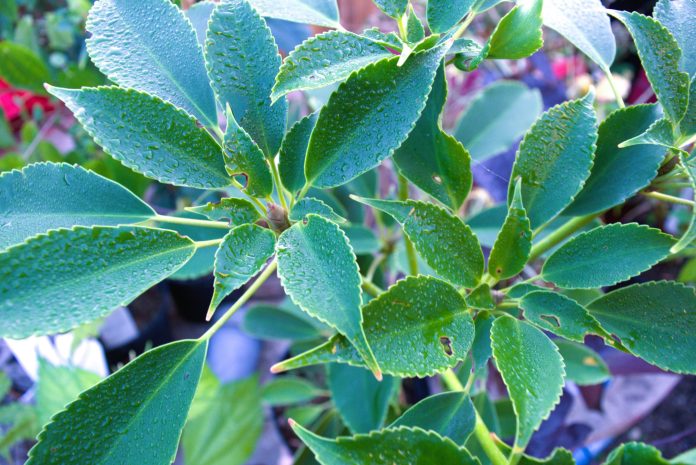
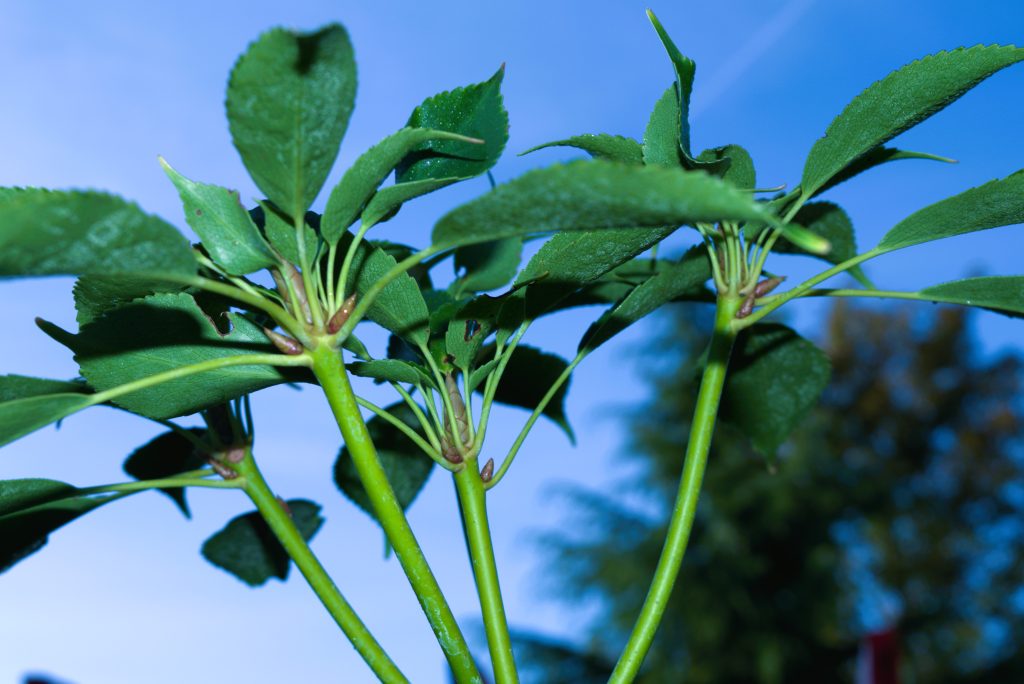
- Foliage: Evergreen leaves with a leathery texture and a dark green, glossy appearance. The leaves are alternately arranged and resemble those of plants in the Araliaceae family, hence the common name.
- Flowers: The most striking feature of Trochodendron aralioides is its wheel-shaped clusters of small, yellow-green flowers. These appear in late spring to early summer (May to June). The flowers are devoid of petals but still stand out due to their unusual radial symmetry.
- Bark: Smooth and gray, adding to its ornamental value, especially during winter.
2. Ideal Growing Conditions
- USDA Hardiness Zones: 7-9, meaning it can tolerate mild winter climates but is sensitive to colder temperatures.
- Soil Requirements: Well-draining soil is essential. Trochodendron aralioides thrives in loamy, slightly acidic to neutral soils (pH 5.5-7). Avoid heavy clay soils, as waterlogged conditions can cause root rot.
- Light Requirements: It prefers partial shade, although it can tolerate full sun in cooler climates. In hotter areas, it should be sheltered from the harsh midday sun to prevent leaf scorch.
- Watering: This tree prefers consistent moisture, especially during its first few years of establishment. Regular watering is essential during the growing season (spring to summer), but be cautious of overwatering. Established trees can tolerate occasional dry periods.
- Humidity: Trochodendron aralioides thrives in regions with moderate humidity. Dry, arid environments may require additional irrigation or misting.
3. Planting Guide
- Timing: The best time to plant Trochodendron aralioides is in the early spring or fall when temperatures are cooler and moisture levels are more consistent.
- Location: Choose a spot that offers partial shade or filtered light, especially if you live in a region with hot summers. The tree should also be placed in a well-sheltered location to protect it from strong winds, which can damage its delicate branches and leaves.
- Planting Depth: Dig a hole twice as wide and as deep as the root ball. Gently remove the tree from its container and place it in the hole, ensuring the root flare (where the roots meet the trunk) is level with the soil surface.
- Mulching: Apply a 2-3 inch layer of organic mulch, such as bark or compost, around the base of the tree. Mulching helps conserve moisture, suppress weeds, and maintain a stable soil temperature. Ensure the mulch is not touching the trunk to avoid rot.
4. Care and Maintenance
- Watering: Keep the soil consistently moist but not waterlogged, especially during the growing season. Water deeply once a week, adjusting based on rainfall.
- Fertilization: Trochodendron aralioides doesn’t need heavy feeding. Apply a slow-release, balanced fertilizer in early spring. If your soil is particularly poor, a second feeding in mid-summer can support growth.
- Pruning: Minimal pruning is required. Remove dead, damaged, or diseased branches in late winter or early spring before new growth begins. Shape the tree as needed, but avoid heavy pruning, as the tree prefers a natural form.
- Pest and Disease Control: Trochodendron aralioides is generally pest-free but may suffer from aphid infestations or scale insects. Treat with insecticidal soap or horticultural oil if needed. It is also resistant to most diseases, but root rot can occur in poorly drained soils.
5. Propagation
Trochodendron aralioides can be propagated by both seeds and cuttings, although it’s a slow-growing species, so patience is required.
- Seeds: Collect seeds from mature trees in the fall. Soak the seeds in water for 24 hours before sowing in a well-draining seed mix. Keep the soil moist and provide indirect light. Germination may take several months.
- Cuttings: Semi-hardwood cuttings taken in late summer are another viable method. Dip the cuttings in rooting hormone and plant them in a well-draining mix. Keep the cuttings in a humid environment, either by misting or using a plastic cover.
6. Common Problems and Solutions
- Leaf Scorch: If the leaves turn brown at the edges, it’s likely due to too much direct sunlight or insufficient watering. Move the plant to a shadier location and increase the watering frequency during hot spells.
- Root Rot: Poor drainage is the primary cause of root rot. Ensure the tree is planted in well-draining soil, and avoid overwatering.
- Cold Damage: While Trochodendron aralioides is hardy in Zones 7-9, extreme cold or frost can damage young trees. In colder climates, consider planting the tree in a sheltered microclimate, such as near a wall or in a courtyard.
7. Landscape Use
Trochodendron aralioides is perfect for adding an exotic touch to shaded woodland gardens, borders, or as a specimen tree. Its glossy leaves and unique flowers provide year-round interest, making it a prized tree for collectors and enthusiasts alike. It also pairs well with other shade-loving plants like ferns, camellias, and hostas.
In conclusion, Trochodendron aralioides is a beautiful, unusual tree that brings a striking visual element to temperate gardens. With proper care and attention to its growing requirements, you’ll be rewarded with a long-lived, evergreen beauty that stands out in any landscape.
Trochodendron aralioides – Grow Guide
Common name: Wheel Tree
Family: Trochodendraceae
Type: Evergreen tree / large shrub
Hardiness: RHS H4 – hardy in most UK gardens in a sheltered position
Ultimate size: 8–12 m tall × 4–6 m wide (slow growing)
Overview
Trochodendron aralioides is a rare and unusual evergreen tree grown for its glossy, laurel-like leaves and its distinctive green “wheel-shaped” flowers in spring. Native to Japan and Taiwan, it makes an excellent specimen tree for woodland-style gardens, offering year-round structure and interest without becoming overly large.
Position
- Light: Partial shade to full sun
- Best in sheltered locations, protected from cold, drying winds
- Ideal as an understorey tree or woodland specimen
Soil
- Type: Moist, fertile, well-drained soil
- Thrives in humus-rich conditions
- pH: Slightly acidic to neutral
- Avoid chalky or waterlogged soils
Planting
- When: Spring or early autumn
- Space at least 4–6 m from other trees
- Incorporate plenty of organic matter at planting
- Mulch well after planting to retain moisture
Watering
- Water regularly during the first 2–3 years to establish
- Once established, reasonably drought tolerant but prefers consistent moisture
- Avoid prolonged dry spells, especially on light soils
Feeding
- Apply a balanced fertiliser or organic mulch in spring
- Leaf mould or compost is ideal for long-term soil improvement
Growth & Habit
- Slow-growing evergreen tree
- Dense, rounded to broadly conical crown
- Leaves glossy, dark green, leathery, 10–15 cm long
- Bark smooth and grey, becoming more textured with age
Flowering
- Months: April–May (UK)
- Flowers: Small, green, petal-less, arranged in distinctive wheel-shaped clusters
- Subtle but botanically fascinating
Maintenance
- Very low maintenance
- Remove only dead, damaged, or crossing branches
- Best pruned lightly in late spring or early summer
- Mulch annually to protect roots and improve soil structure
Propagation
- Seed: Possible but slow; best sown fresh
- Cuttings: Semi-ripe cuttings in summer can be successful but are slow to root
Pests & Problems
- Generally pest and disease free
- Leaf scorch can occur in exposed or very dry sites
- Poor growth on alkaline or chalky soils
Garden Use
- Specimen tree in woodland or collector gardens
- Evergreen structure in mixed borders
- Excellent companion plants:
- Rhododendron
- Camellia
- Ferns
- Hydrangea
Quick Reference Table
| Feature | Details |
|---|---|
| Hardiness | RHS H4 |
| Height | 8–12 m |
| Spread | 4–6 m |
| Flowering | April–May |
| Position | Partial shade to full sun |
| Soil | Moist, fertile, well-drained; slightly acidic |
| Water | Regular during establishment |
| Feeding | Spring mulch or balanced feed |
| Propagation | Seed; semi-ripe cuttings |
| Maintenance | Minimal; light pruning only |
| Best feature | Glossy evergreen foliage and unique wheel-shaped flowers |