
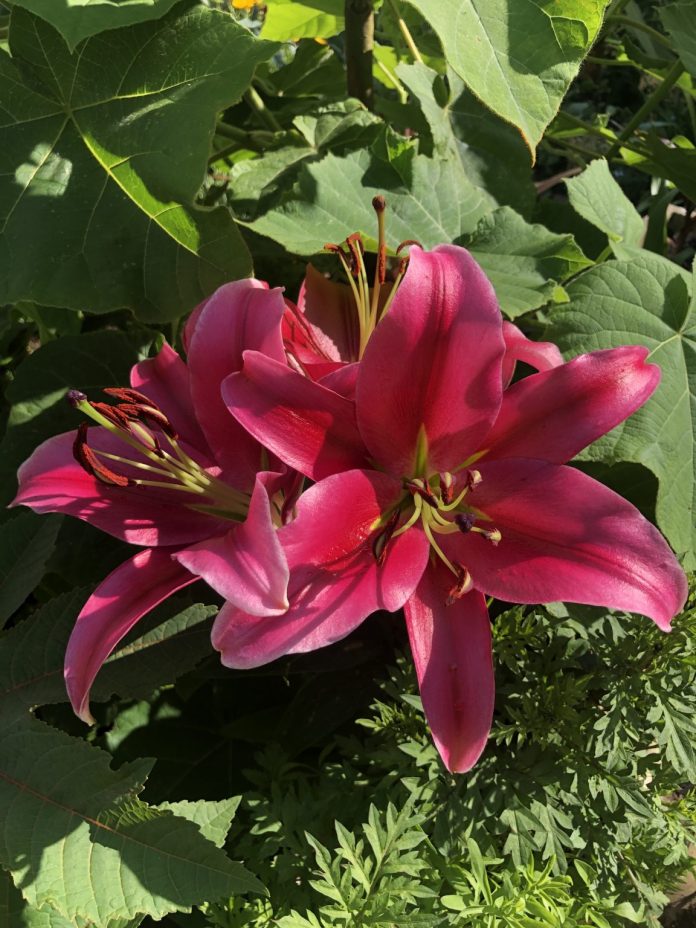
Tree lilies, also known as Trumpet lilies (Lilium ‘Tree-type’) or tower lilies, are hybrid lilies that are characterized by their tall and sturdy stems, large trumpet-shaped flowers, and strong fragrance. These lilies are bred to be even taller and more robust than the Oriental and Asiatic lilies.
In the UK, tree lilies can grow to impressive heights, typically ranging from 5 to 8 feet (150 to 240 cm) tall. Some exceptional varieties might even reach heights of up to 10 feet (300 cm) under the right growing conditions.
As with any plant, the size of tree lilies can be influenced by factors such as soil quality, sunlight exposure, water availability, and overall care. These lilies are often planted in the spring and can produce stunning blooms during the summer months, adding a touch of elegance to the garden with their height and vibrant flowers.
Absolutely! Here’s a full, detailed UK-focused grow guide for Tree Lilies (Lilium ‘Tree-type’), incorporating the names Trumpet lilies and Tower lilies, written in a professional, Local Gardener style. This is more comprehensive than the quick guide, including all the finer points of cultivation, care, and troubleshooting.
Tree Lilies (Lilium ‘Tree-type’) – Full Grow Guide
Other names: Trumpet lilies, Tower lilies
Family: Liliaceae
Type: Herbaceous perennial with tall, woody stems
Hardiness: RHS H4–H5 – generally hardy; young plants may need protection in colder UK regions
Ultimate size: 1–2 m tall, 30–40 cm wide
Overview
Tree lilies are tall, architectural lilies prized for their dramatic trumpet-shaped flowers and sturdy, woody stems. Unlike other lilies, they maintain an upright, vertical habit and produce large blooms that are highly fragrant, creating an impressive focal point in summer borders. They are excellent for tropical-style gardens, herbaceous borders, and mixed perennial beds.
Position
- Light: Full sun to partial shade. Maximum flowering occurs in full sun, but partial shade protects the blooms in hot summer areas.
- Aspect: Sheltered from strong winds; taller stems can snap without staking.
- Companion plants: Lower-growing perennials such as hostas, ferns, astilbes, or geraniums can provide visual balance and help protect the base of the stem.
Soil
- Type: Fertile, humus-rich soil. Well-draining but moisture-retentive is ideal. Avoid heavy clay or waterlogged soils.
- pH: Neutral to slightly acidic.
- Preparation: Incorporate plenty of organic matter before planting. Mulch after planting to conserve moisture and regulate soil temperature.
Planting
- Timing: Spring or autumn, depending on availability and frost risk.
- Depth: Bulbs 10–15 cm deep, depending on size, with the growing point facing up.
- Spacing: 20–30 cm apart for smaller cultivars; 40 cm+ for taller, robust types.
- Staking: Tall varieties benefit from early staking with bamboo canes or spiral supports to prevent flopping.
Watering
- Keep soil consistently moist during active growth, especially in hot, dry periods.
- Reduce watering after flowering, and as foliage naturally dies back in autumn.
- Mulching helps conserve moisture and prevents weeds, which compete with lilies for water.
Feeding
- Spring: Apply a slow-release bulb fertiliser or general-purpose fertiliser to support strong stem growth.
- Early summer: Liquid feed every 2–3 weeks during active growth.
- Avoid high nitrogen once flowering begins, as it encourages leafy growth at the expense of blooms.
Growth & Habit
- Stems are woody and upright, with minimal branching.
- Leaves grow alternately along the stem.
- Flowers appear at the top of stems in mid to late summer (July–September).
- Foliage dies back naturally after flowering, usually in autumn, leaving the bulb dormant over winter.
Flowering
- Flowering period: July–September (varies with cultivar and climate).
- Flowers: Large, trumpet-shaped, often fragrant; colours include white, yellow, orange, red, or bi-colours.
- Display: Each stem can carry multiple blooms, creating a towering floral effect.
Maintenance
- Remove spent flowers to encourage tidier plants and prevent seed formation.
- Cut back stems after foliage dies to ground level.
- Divide clumps every 3–4 years to maintain vigour and avoid overcrowding.
- Monitor for signs of pests or disease early to prevent spread.
Propagation
- Bulb offsets: Lift bulbs in autumn after foliage dies back and separate offsets for planting the following season.
- Seed: Possible but slow; not typically used commercially due to variable flower quality.
- Tissue culture: Sometimes used commercially for exact clones.
Pests & Problems
- Lily beetle (Lilioceris lilii): Major pest in the UK; can strip leaves and flowers. Remove by hand or treat with approved insecticide.
- Slugs and snails: Can attack emerging shoots.
- Fungal diseases: Botrytis and basal rot can affect poorly drained soils. Ensure good air circulation and well-drained conditions.
- Stem breakage: Tall stems can fall over in wind or heavy rain; staking is essential for taller cultivars.
Overwintering
- In mild areas (RHS H5), bulbs remain in the ground, but mulching with leaf mould or straw protects against severe frost.
- In colder zones (H4), consider lifting bulbs in late autumn and storing in dry, frost-free conditions.
Garden Use
- Herbaceous borders and tropical-style gardens
- Mixed perennial beds for height and drama
- Container planting for patios and terraces
- Excellent for cut flowers due to size and fragrance
Tip: Combine with ferns, hostas, astilbes, and other bold-leaved perennials to create a lush, tropical-style border that complements the vertical stems and large blooms.
Quick Reference Table
| Feature | Details |
|---|---|
| Hardiness | RHS H4–H5 |
| Height | 1–2 m |
| Spread | 30–40 cm |
| Flowering | July–September |
| Position | Full sun to partial shade, sheltered |
| Soil | Fertile, humus-rich, well-drained |
| Water | Keep moist during growth, reduce after flowering |
| Feeding | Spring slow-release feed, liquid feed in early summer |
| Propagation | Bulb offsets (main), seed (slow) |
| Maintenance | Remove spent flowers, stake tall stems, divide every 3–4 years |
| Pests | Lily beetle, slugs/snails, fungal disease |