Garden mazes and labyrinths have a long and fascinating history, appearing in ancient myths, religious sites, and grand estates across Europe. While they were once reserved for royalty and the wealthy elite, today, even small gardens can incorporate a simple maze or labyrinth for beauty, relaxation, or fun.
The Difference Between a Maze and a Labyrinth
Though the words are often used interchangeably, a maze and a labyrinth are distinct:
- Mazes are puzzles with multiple paths, dead ends, and choices designed to challenge and confuse.
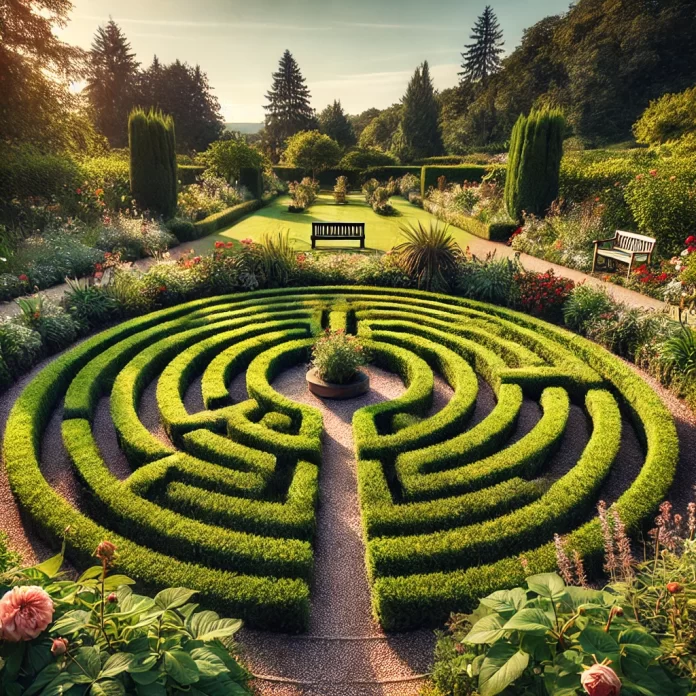
- Labyrinths have only one continuous path leading to the center, often used for meditation or spiritual reflection.
Ancient Beginnings: The Origins of Labyrinths
The idea of the labyrinth is ancient. In Greek mythology, the legendary Cretan Labyrinth, designed by Daedalus, housed the Minotaur. Though no physical structure has been found, labyrinth motifs have appeared in cultures worldwide.
One of the earliest real labyrinths was in Hawara, Egypt (c. 1850 BCE), built by Pharaoh Amenemhat III. Described by Herodotus as having thousands of rooms and corridors, it was likely both a temple and a burial site. The Romans later adopted labyrinth patterns, often featuring them in floor mosaics across their empire.
Medieval and Renaissance Labyrinths
In the Middle Ages, labyrinths became religious symbols. Many Gothic cathedrals, such as Chartres Cathedral in France (c. 1200 CE), included stone labyrinths on their floors, allowing worshippers to walk a symbolic pilgrimage.
With the Renaissance came a revival of classical design, and garden mazes became popular in the grand estates of Europe. These mazes were not for meditation but for entertainment, often used as playful spaces for aristocrats.
The Golden Age of Garden Mazes (16th–18th Century)
From the 16th to 18th centuries, elaborate hedge mazes flourished, particularly in France and England.
- The Labyrinth of Versailles (1665), designed by André Le Nôtre, was a grand maze decorated with 39 fountains illustrating Aesop’s fables. It was removed in 1778.
- Hampton Court Maze (planted in the late 1600s, England) is one of the most famous surviving hedge mazes, created for King William III and Queen Mary II.
By the 18th and 19th centuries, mazes became less common as more naturalistic garden styles took over. However, they never completely disappeared.
Modern Garden Mazes and Labyrinths
In the 20th and 21st centuries, mazes experienced a revival, appearing in public parks, private gardens, and seasonal attractions such as corn mazes in the U.S. Some famous modern mazes include:
- Longleat Hedge Maze (England, built in 1975) – The world’s longest hedge maze, covering over 1.48 acres.
- Dole Plantation Maze (Hawaii) – A large garden maze made from tropical plants and pineapple shrubs.
Meanwhile, labyrinths have gained popularity in therapy and mindfulness, often found in hospital gardens and wellness retreats.
Can You Have a Small Maze or Labyrinth in Your Own Garden?
Absolutely! You don’t need acres of land to create a mini maze or labyrinth. Here’s how:
1. Small Garden Maze Ideas
If you have a larger space, you can plant a hedge maze using:
- Boxwood (Buxus sempervirens) – A classic choice, though slow-growing.
- Yew (Taxus baccata) – Common in traditional mazes, grows tall and dense.
- Privet (Ligustrum spp.) – Faster-growing but requires regular trimming.
For a smaller, low-maintenance alternative, consider:
- Gravel or brick pathways bordered by low-growing lavender or herbs.
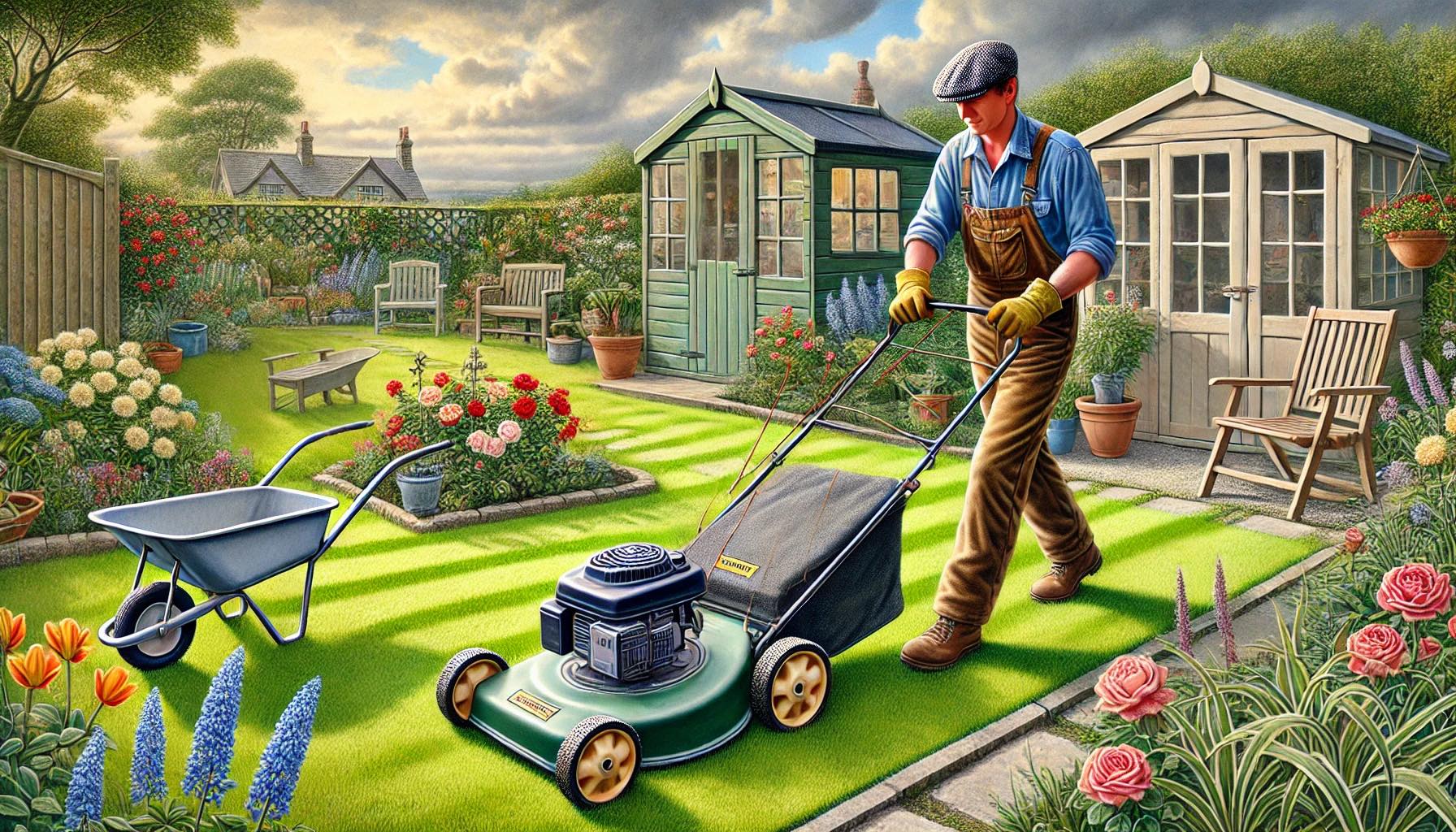
- A simple turf maze cut into a lawn with different mowing heights.
2. Creating a Labyrinth for Meditation
A labyrinth is easier to maintain than a hedge maze. You can create one using:
- Mowed paths in a lawn.
- Stones or bricks laid out in a spiral pattern.
- Gravel or mulch with a contrasting material for the pathway.
Even a small patio labyrinth made with paving stones can add a meditative element to your garden.
Conclusion
From the legendary Cretan Labyrinth to the grand hedge mazes of Europe and modern interactive designs, mazes and labyrinths continue to captivate. While large estates once held exclusive rights to these features, today, even a modest garden can host a charming hedge maze or contemplative labyrinth. Whether for fun, relaxation, or aesthetics, adding one to your garden connects you to a tradition stretching back thousands of years.
Would you like a specific design suggestion for a small garden maze?