
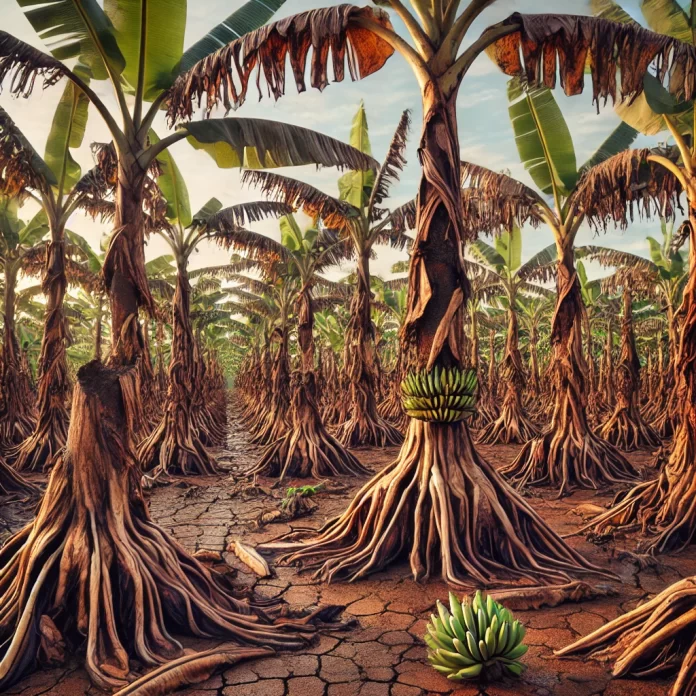
As Panama disease threatens to decimate the Cavendish banana, the world is left wondering what fruit might rise to replace the iconic banana in our diets. With no cure for the Fusarium oxysporum Tropical Race 4 (TR4) fungus that is rapidly spreading across banana-growing regions, the once-staple fruit could soon be a rare luxury.
A Crop in Decline
The Cavendish banana is the world’s most widely consumed fruit, making up nearly 50% of global banana production and 99% of international exports. But the spread of Panama disease, which first emerged in Southeast Asia and is now affecting major banana-producing countries in Latin America and Africa, threatens to disrupt this global supply.
Once TR4 takes hold in a plantation, the fungus can survive in the soil for decades, rendering the land unsuitable for banana farming. Without effective treatment or resistant banana varieties on the horizon, the Cavendish banana’s days as the world’s go-to fruit could be numbered.
So, What Comes Next?
As the banana’s future becomes increasingly uncertain, several fruits could step in to fill the void. Here are a few potential candidates that could replace the banana on supermarket shelves:
- Plantains: Often considered a “banana’s cousin,” plantains are starchier and used in cooking, making them a versatile option. While not as sweet as bananas, they have been a staple in many cultures for centuries. Their resistance to Panama disease makes them a strong contender.
- Apples: Already one of the most consumed fruits globally, apples could rise in prominence if bananas disappear. With many varieties available, apples could provide the same daily convenience as bananas, though their taste and texture are quite different.
- Jackfruit: This tropical fruit, which can grow to be the largest fruit on a tree, is packed with nutrients and is becoming increasingly popular in vegan and plant-based diets. Jackfruit’s versatility as a meat substitute and its naturally sweet flavor could make it an attractive alternative.
- Pineapple: With its high demand in both fresh and processed forms, pineapple could step in as a banana replacement in smoothies, desserts, and snacks. It shares the tropical appeal of bananas and could thrive in many of the same growing conditions.
The Changing Marketplace
As the Cavendish banana faces its uncertain future, consumers might soon find that their fruit choices are more diverse than ever. Supermarkets may begin stocking new varieties of tropical fruits or even start featuring fruits like apples, pears, or other staples that could take the banana’s place in daily diets.
For banana lovers, the shift could be a bittersweet moment. While a new wave of fruit may emerge to fill the gap, it remains to be seen whether any fruit can match the banana’s unique combination of flavor, texture, and convenience.
A New Era in Fruit
The loss of the Cavendish banana could ultimately pave the way for new crops to thrive. Whether through innovative farming methods, genetic modifications, or the rising popularity of lesser-known fruits, the future of the fruit market will be shaped by the need to adapt to Panama disease and its devastating impact on banana production.
For now, the humble banana may be slipping into history, but a new era of fruit is on the horizon—one where new flavors and alternatives take center stage.