
Sunday, December 7, 2025

December Gardening Tips From...

Ooohhhhh …it's nearly here…Christmas! A time for cosy evenings by the fire and...

Looking Out for Hedgehogs...

Hedgehogs are some of the most endearing creatures in our gardens, but winter...

Protecting Your Plants from...

Winter can be a challenging time for gardeners, particularly when wildlife like deer...

Winter Compost: Digging Out...

Winter is an excellent time to dig out your compost heap and spread...
HomeAlkaline soilScilla luciliae (Glory-of-the-Snow)

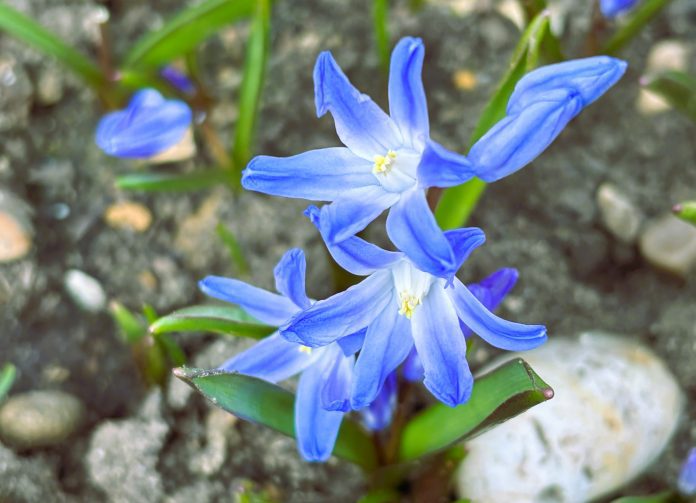
Scilla luciliae (Glory-of-the-Snow)

Grow Guide: Scilla luciliae (Glory-of-the-Snow)

🌸 Botanical Name: Scilla luciliae (formerly Chionodoxa luciliae)
🌍 Common Name: Glory-of-the-Snow


🌼 Flowering Time

  • Months: February – April
  • Details: One of the earliest spring-flowering bulbs, often appearing through the last frost.

🌱 Soil Type

  • Well-drained, humus-rich soil
  • Prefers neutral to slightly alkaline conditions but tolerates slightly acidic soils
  • Avoid waterlogged areas

❄️ Hardiness

  • USDA Zones: 3–8
  • UK Hardiness: H5 (hardy in most parts of the UK)
  • Fully frost hardy and naturalizes well

☀️ Position & Light Requirements

  • Sun: Full sun to partial shade
  • Best Locations: Under deciduous trees, borders, rock gardens, and lawns
  • Tolerates light shade but flowers best in brighter spots

🌿 Planting & Care

Planting Time: Autumn (September – November)
Depth: 5–8cm (2–3 inches) deep
Spacing: 5–10cm apart
Watering: Minimal; only during dry periods in the first year
Feeding: Not necessary but benefits from a light mulch of compost in autumn


🌱 Propagation

1️⃣ By Bulb Offsets:

  • Scilla luciliae naturally multiplies by producing small offsets around the main bulb.
  • Best lifted and divided in late summer when dormant.
  • Carefully separate offsets and replant immediately at the same depth.

2️⃣ By Seed:

  • Seeds can be collected after flowering and sown in autumn.
  • Sow directly into well-drained soil or pots with a free-draining seed mix.
  • Germination may take a year or more, and plants may take 3–5 years to flower.

🌿 Additional Tips

  • Naturalizes well – multiplies each year, creating a stunning carpet of flowers.
  • Low maintenance – no deadheading needed; leaves should die back naturally.
  • Perfect companion for crocuses, snowdrops, and early daffodils.

spot_img

lOOKING FOR MORE WORK?

The free and easy way to get more customers. Just join Find Local Gardeners.

Continue reading

Hadlow College Apprentice Named Kent Young Gardener of the Year

A Hadlow College horticulture apprentice has been named Kent Young Gardener of the Year, recognising his dedication, talent and impact within his local community. Logan Boorman (pictured above), who is currently studying Level 3 Crop Technician Apprenticeship at the College,...

Parkstone Golf Club transforms winter playability with Hydrowick drainage from Djuke

Renowned as one of the finest courses on the South Coast, Parkstone in Dorset is proudly ranked in the Top 100 golf courses in Great Britain and Ireland. Upholding their championship-level playing conditions year round isn’t always easy, particularly...

Dobbies continues national refurbishment programme with Moreton Park upgrade

Dobbies Garden Centre at Moreton Park in Shropshire is the seventh store to be upgraded as part of the retailer’s national refurbishment programme.   The store now features a brand-new large coffee shop on the mezzanine level, providing a welcoming space...

SUBSCRIBE TO OUR YOUTUBE CHANNEL

Plant advice for unusual species plus updates from our tropical garden

SUBSCRIBE