
The Newspaper For Gardeners

Looking Out for Hedgehogs...

Hedgehogs are some of the most endearing creatures in our gardens, but winter...

Prune Apple Trees

Pruning is an essential task for maintaining healthy, productive apple trees. Proper pruning...

Dividing Snowdrops: A Step-by-Step...

Snowdrops (Galanthus spp.) are a cherished sight in late winter, heralding the arrival...

Force Rhubarb: A Gardener’s...

Forcing rhubarb is a traditional gardening technique that produces tender, sweet stalks, perfect...
Thursday, January 15, 2026
Gardening jobs for DecemberProtect Tree Ferns

Protect Tree Ferns

Tree ferns, such as the popular Dicksonia antarctica, are prized for their exotic beauty and structural presence, making them a focal point in many UK gardens. However, as native plants of the cool, moist forests of Australia and New Zealand, they require winter protection in the UK’s unpredictable and often frosty climate. With a few simple steps, you can ensure your tree fern thrives for years to come.

Why Protect Tree Ferns?

Tree ferns are relatively hardy for their tropical appearance, tolerating temperatures down to -5°C (23°F) for short periods. However, prolonged frosts or temperatures below -8°C (17°F) can damage their delicate crowns and kill the plant. Winter protection focuses on shielding the crown—the growing point at the top of the trunk—and the trunk itself, which stores vital moisture and nutrients.

Step-by-Step Guide to Protecting Tree Ferns

1. Assessing the Conditions

  • Know Your Microclimate: Sheltered gardens, especially in milder regions, may require less protection than exposed areas prone to strong winds and frost.
  • Monitor Temperatures: Keep an eye on weather forecasts, particularly during cold snaps.

2. Mulching the Base

  • Apply a thick layer of organic mulch (e.g., straw, leaf mould, or bark) around the base of the trunk to insulate the roots and soil. This also helps retain moisture during dry winter spells.

3. Wrapping the Trunk

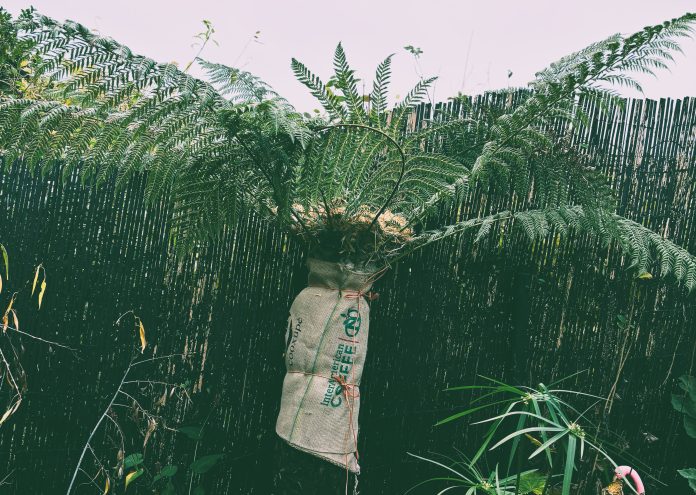
  • Use layers of horticultural fleece or hessian to insulate the trunk. Do not use bubble wrap as this doesn’t ‘breathe’ and encourages rot. Avoid excessive tightness to prevent rot.
  • For particularly large specimens, you can stuff the wrapping with dry straw for extra insulation.
  • Concentrate on the top 40cm of the trunk for large specimens

IMG E7573

4. Protecting the Crown

  • The crown is the most vulnerable part of the tree fern. To protect it:
  • Fill the crown with loose, dry straw or bracken. Horticultural fleece is very good because it’s clean and can easily be removed to shake off snow.
  • Cover the filled crown with a layer of fleece or an inverted plastic pot to shield it from rain and frost. Ensure the pot is secured and ventilated to prevent condensation and mould.

5. Provide Wind Protection

  • Strong, drying winds can exacerbate cold damage. Position a windbreak (such as a screen, fence, or dense evergreen planting) around your tree ferns, especially in exposed gardens.

6. Watering During Winter

  • While tree ferns dislike overly wet conditions in winter, their trunks should not dry out completely. During mild spells, lightly water the trunk and crown if it feels dry. Avoid watering during freezing weather to prevent ice damage.

7. For Potted Tree Ferns

  • Move potted tree ferns to a sheltered location, such as a greenhouse, conservatory, or a protected corner of the garden. If this isn’t possible, wrap the pot with insulation, such as bubble wrap, to protect the roots from freezing.

When to Remove Protection

As spring arrives and frosts subside, gradually remove the protective layers to allow light and air to reach the crown. Be cautious, as late frosts in April or May can still damage emerging fronds (known as croziers). Keep some fleece handy for sudden cold snaps.

Final Tips

  • Inspect Regularly: Check your tree ferns throughout winter to ensure the protection remains intact and dry.
  • Feed in Spring: Once the fronds begin to unfurl, feed with a balanced fertilizer or specialist tree fern feed to encourage vigorous growth.

With proper care, your tree fern will reward you with lush, arching fronds, bringing a touch of the tropics to your UK garden year after year.


spot_img

lOOKING FOR MORE WORK?

The free and easy way to get more customers. Just join Find Local Gardeners.

Ooohhhhh …it's nearly here…Christmas! A time for cosy evenings by the fire and wrapping presents next to the tree. But keep your hands off...
Hedgehogs are some of the most endearing creatures in our gardens, but winter can be a challenging time for them. Here’s how to look...
Winter can be a challenging time for gardeners, particularly when wildlife like deer and rabbits are seeking food. As the cold season strips away...
Winter is an excellent time to dig out your compost heap and spread the rich, organic material on your garden borders. This seasonal task...
While December isn’t the traditional growing season for onions, it’s still possible to start your onion-growing journey during the winter months. Whether you’re aiming...

What’s the best way to protect tree ferns over winter?

Tree ferns, such as the popular Dicksonia antarctica, are prized for their exotic beauty and structural presence, making them a focal point in many UK gardens. However, as native plants of the cool, moist forests of Australia and New...

How to grow Cyathea cooperi

Cyathea cooperi, commonly known as the Australian Tree Fern, is a stunning fern that can add a touch of tropical elegance to your garden or indoor space. Growing this fern successfully requires careful attention to its specific needs. Here...

How fast do tree ferns grow?

Tree ferns have a reputation for being slow, prehistoric plants, but the reality is a little more nuanced. How fast a tree fern grows depends very much on the species, the climate, and—most importantly—how well it’s looked after. What “growth”...

How much should I water my tree fern?

Tree ferns should be kept well watered. The trunks should not be allowed to dry out. If the plant is in a pot try to ensure that the soil does not become waterlogged as this can encourage rot

Continue reading

I’ve Been Gardening Since the 1970s — and I Don’t Recognise Modern Advice

I started gardening in the 1970s, when advice was simple, local, and often passed on by someone who had made the mistakes before you. You learned by watching plants fail, succeed, and surprise you. You learned by turning up...

No-Dig Is Not a Religion

No-dig gardening has become one of the most fiercely defended ideas in modern horticulture. Question it, and you can expect raised eyebrows, sharp comments, and accusations of being “behind the times.” Suggest that digging might sometimes be necessary, and...

Why Cheap Prices Attract Broke Customers – And Why That’s a Problem at Price Rise Time

As price rise season approaches, many small businesses feel the pressure to hold their prices down. There’s a fear that increasing prices will drive customers away, especially in tough economic times. But there’s an uncomfortable truth that needs saying: Cheap...

SUBSCRIBE TO OUR YOUTUBE CHANNEL

Plant advice for unusual species plus updates from our tropical garden

SUBSCRIBE