
The Newspaper For Gardeners

Looking Out for Hedgehogs...

Hedgehogs are some of the most endearing creatures in our gardens, but winter...

Prune Apple Trees

Pruning is an essential task for maintaining healthy, productive apple trees. Proper pruning...

Dividing Snowdrops: A Step-by-Step...

Snowdrops (Galanthus spp.) are a cherished sight in late winter, heralding the arrival...

Force Rhubarb: A Gardenerโ€™s...

Forcing rhubarb is a traditional gardening technique that produces tender, sweet stalks, perfect...
Monday, January 12, 2026
Gardening jobs for MayPotting On Tomato Seedlings in May

Potting On Tomato Seedlings in May

Strong Plants, Better Harvests

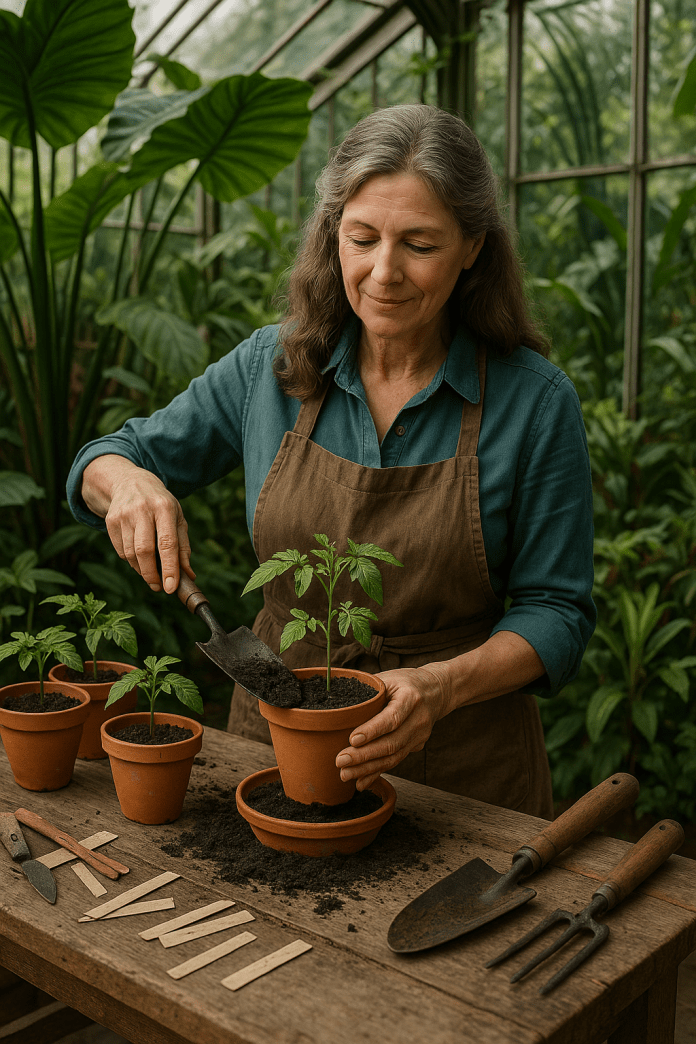
By May, tomato seedlings sown in early spring will be ready for their next stage of growth. Whether you’re growing them in a greenhouse or on a sunny patio, potting on (also known as potting up) is a key step that helps young plants develop strong roots and become sturdy, productive growers.

Hereโ€™s how to do it rightโ€”and what to watch for.


Why Pot On?

As tomato seedlings grow, their roots quickly fill the small seed trays or modules they started in. If left too long, they become root-bound, stressed, and slow to grow. Potting them on gives each seedling more space, fresh compost, and the best start before planting in final positions later in the month.


When to Pot On

Look for these signs that your tomato seedlings are ready:

  • 2โ€“3 sets of true leaves
  • Roots appearing through the drainage holes
  • Slowed growth or yellowing leaves

In the UK, early to mid-May is the sweet spot for potting on tomatoesโ€”especially for those destined for the greenhouse or later planting outdoors after the last frost.


Step-by-Step Guide

  1. Prepare pots โ€“ Use clean 9cm (3ยฝ”) pots filled with multi-purpose compost (add a handful of perlite or vermiculite for drainage if desired).
  2. Water first โ€“ Lightly water your seedlings beforehand to reduce root disturbance.
  3. Handle gently โ€“ Hold seedlings by the leaves, not the stems, and gently tease them out of their trays.
  4. Plant deep โ€“ Bury seedlings deeper than before, up to the first set of true leaves. Tomato stems can root along their length, giving you a stronger plant.
  5. Firm and water in โ€“ Lightly firm the compost around the plant and water thoroughly.
  6. Label each plant โ€“ Especially if youโ€™re growing multiple varieties.

Aftercare

  • Warmth & Light: Keep potted-on tomatoes in a bright, frost-free spot. A greenhouse, cold frame, or sunny windowsill works well.
  • Ventilation: Good air circulation prevents damping off and mould.
  • Feeding: No need to feed yetโ€”fresh compost has nutrients to last a couple of weeks.

Looking Ahead

By the end of May, once all danger of frost has passed, you can move your tomato plants into their final positionsโ€”grow bags, large pots, or borders. Theyโ€™ll be stronger, sturdier, and better prepared to deliver a bumper crop through summer.


Tomato Potting On Checklist

  • Pot on seedlings when roots fill trays
  • Use fresh compost and bury deeply
  • Keep in a bright, sheltered place
  • Water well and label clearly
spot_img

lOOKING FOR MORE WORK?

The free and easy way to get more customers. Just join Find Local Gardeners.

May is a pivotal month in the garden. Plants are shifting from spring growth to summer performance, and feeding them well now can make...
A Practical Guide for UK Gardeners May is one of the busiest and most rewarding months on the vegetable plot. The soil is warming up,...
๐ŸŒธ Delphiniums and lupins are two of the most striking perennials in the early summer garden. With their tall, colourful spires and stately presence,...
Sweet Peas in May: Tie In, Feed, and Get Ready for Blooms Sweet peas are a classic cottage garden favourite, loved for their delicate fragrance...
May is a crucial month for roses in the UK garden. With warm days and cool nights, roses begin to push out fresh green...

Why do my outdoor plants keep dying?

If your outdoor plants keep dying, there could be multiple factors at play. Understanding these factors and addressing them can significantly improve the health and longevity of your plants. Here are some common reasons why outdoor plants may be...

How do I stop slugs from eating my Hostas?

How do I stop slugs from eating my Hostas? Slugs are among the most common and troublesome pests for gardeners growing Hosta โ€˜Patriotโ€™. These pests are particularly problematic because they thrive in the same moist, shady conditions that Hostas...

How to Grow Hosta โ€˜Patriotโ€™

Hosta โ€˜Patriotโ€™ is a popular variety of the Hosta genus, known for its striking variegated leaves featuring bold white edges and dark green centers. This hardy perennial is an excellent choice for shady garden spots, adding texture and color...

How to Grow Geum โ€˜Totally Tangerineโ€™

Geum โ€˜Totally Tangerineโ€™ is a vibrant and long-blooming perennial that adds a splash of orange to any garden. With its striking tangerine-colored flowers and attractive foliage, this plant is a favorite among gardeners for its easy care and visual...

Continue reading

What to Feed Plants in May

May is a pivotal month in the garden. Plants are shifting from spring growth to summer performance, and feeding them well now can make all the difference. Whether you're growing flowers, vegetables, fruit or maintaining a lush lawn, the...

Vegetables You Can Plant Outside in May

A Practical Guide for UK Gardeners May is one of the busiest and most rewarding months on the vegetable plot. The soil is warming up, days are longer, and the threat of frost is (mostly) behind us. For UK gardeners,...

Delphiniums & Lupins: May Care Guide for Bold, Beautiful Borders

๐ŸŒธ Delphiniums and lupins are two of the most striking perennials in the early summer garden. With their tall, colourful spires and stately presence, they bring structure and classic charm to herbaceous borders, particularly in cottage and traditional gardens....

SUBSCRIBE TO OUR YOUTUBE CHANNEL

Plant advice for unusual species plus updates from our tropical garden

SUBSCRIBE