
The Newspaper For Gardeners

December Gardening Tips From...

Ooohhhhh …it's nearly here…Christmas! A time for cosy evenings by the fire and...

Looking Out for Hedgehogs...

Hedgehogs are some of the most endearing creatures in our gardens, but winter...

Protecting Your Plants from...

Winter can be a challenging time for gardeners, particularly when wildlife like deer...

Winter Compost: Digging Out...

Winter is an excellent time to dig out your compost heap and spread...
Saturday, December 27, 2025
HomeGardenPlant Bare-Root Fruit...

Plant Bare-Root Fruit in February

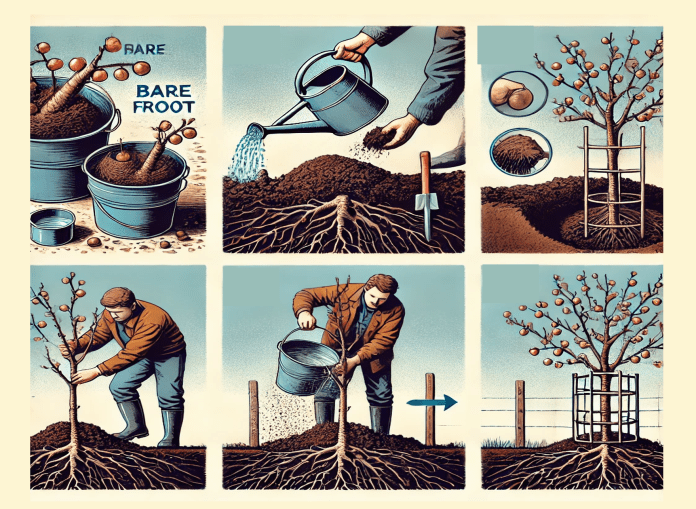
Bare-root fruit trees and bushes are a cost-effective and eco-friendly way to establish a productive garden. February is the perfect time to plant them in the UK, while the plants are still dormant and the soil is workable. Here’s everything you need to know to get started.


What Are Bare-Root Fruit Plants?

Bare-root plants are dormant trees, shrubs, or bushes that are sold without soil around their roots. Unlike potted plants, they are lifted from the ground during winter when they are dormant and wrapped in moist material to keep the roots from drying out. Common bare-root fruit options include:

  • Apples
  • Pears
  • Plums
  • Cherries
  • Blackcurrants, redcurrants, and whitecurrants
  • Raspberries and gooseberries

Why Plant Bare-Root Fruit in February?

  • Dormancy: February is ideal because the plants are still dormant, reducing stress during transplanting.
  • Better Root Establishment: By planting early, the roots have time to establish before the growing season begins.
  • Cost-Effective: Bare-root plants are often cheaper than potted ones, making them great for budget-conscious gardeners.
  • Wide Selection: Many nurseries offer a broader range of varieties in bare-root form compared to potted plants.

How to Plant Bare-Root Fruit

1. Choose the Right Spot

  • Sunlight: Most fruit plants require full sun (at least 6 hours of direct sunlight daily).
  • Drainage: Avoid waterlogged areas; fruit plants prefer well-drained soil.
  • Shelter: Plant in a location protected from strong winds, especially for taller trees.

2. Prepare the Soil

  • Dig Deep: Loosen the soil in a wide area around the planting site, ensuring it’s free of weeds and large stones.
  • Add Organic Matter: Incorporate well-rotted compost or manure to enrich the soil.
  • Check pH: Most fruit plants prefer slightly acidic to neutral soil (pH 6.0–7.0). Lime can be added to raise pH or sulfur to lower it, if needed.

3. Unpack and Soak the Roots

  • As soon as your plants arrive, unpack them and inspect the roots.
  • Trim any damaged or overly long roots.
  • Soak the roots in a bucket of water for 1–2 hours to rehydrate them before planting.

4. Dig the Planting Hole

  • Make a hole wide enough to spread the roots out comfortably without bending or crowding them.
  • The hole should be deep enough to cover the roots but keep the graft union (the bump where the rootstock meets the scion) above soil level.

5. Plant the Tree or Bush

  • Place the plant in the hole, spreading the roots out evenly.
  • Backfill with soil, gently firming it down to remove air pockets. Avoid compacting the soil too much.
  • Ensure the plant is at the same depth it was in the nursery. For raspberries and currants, plant slightly deeper to encourage strong growth.

6. Water Thoroughly

  • Water the plant well to settle the soil around the roots. Even in winter, this is essential for good establishment.

7. Mulch and Stake

  • Apply a 5–10 cm layer of mulch (such as compost, wood chips, or straw) around the base of the plant to retain moisture and suppress weeds.
  • Stake trees if they are tall or in windy locations, using a soft tie to prevent damage.

Aftercare Tips

  • Watering: Keep the soil moist, especially during dry spells in early spring.
  • Pruning: Prune fruit trees and bushes after planting to shape them and remove any damaged or crossing branches.
  • Feeding: In spring, apply a balanced fertilizer to encourage strong growth. Avoid over-fertilizing, which can cause excessive leafy growth at the expense of fruit.

Recommended Bare-Root Fruit Varieties for February Planting

Fruit Trees

  • Apple: ‘Braeburn,’ ‘Egremont Russet,’ or ‘James Grieve’ (choose a pollination partner if not self-fertile).
  • Pear: ‘Conference’ or ‘Comice’ – reliable and delicious.
  • Plum: ‘Victoria’ or ‘Opal’ – excellent for eating and cooking.

Fruit Bushes

  • Blackcurrant: ‘Ben Lomond’ – high-yielding and disease-resistant.
  • Gooseberry: ‘Invicta’ – resistant to mildew and ideal for desserts.
  • Raspberry: ‘Autumn Bliss’ – a reliable autumn-fruiting variety.

The Benefits of Planting Now

By planting bare-root fruit in February, you’re setting yourself up for a strong, healthy growing season. With a little care and attention, these plants will reward you with years of delicious fruit.

spot_img

lOOKING FOR MORE WORK?

The free and easy way to get more customers. Just join Find Local Gardeners.

Lavender is a garden favourite, but without pruning it soon turns woody and straggly. With a simple yearly routine you can keep it compact,...
The National Allotment Society* estimates that there are currently around 330,000 allotments in the UK and National Allotment Week (11th – 17th August 2025) aims to raise awareness...
Clay soil is often dreaded by gardeners. It's sticky when wet, cracks when dry, and compacts into a brick-like slab under foot. But with...
Cobra RM514SPC Lawn Mower – History, Specifications & Review The Cobra RM514SPC is a powerful self-propelled rear roller mower, designed to create a professional striped...
As winter fades and the first signs of spring emerge, March marks the final opportunity to trim deciduous hedges before they start putting on...

Defra Ministers appoint Sir Andrew Steer as Chair of the Board of Trustees of the Royal Botanic Gardens, Kew 

Monday, 22 December 2025 Sir Andrew Steer, a prominent global leader in sustainable development and climate change has been announced as the new Chair of RBG Kew, taking over from Dame Amelia Fawcett who held the post for two terms.    Sir Andrew’s appointment is for four years and...

BigPlantPots: Bold Design, Built for Growing Big

As gardeners continue to embrace statement planting and flexible outdoor design, one UK brand is helping both professionals and home growers think bigger. BigPlantPots specialises in oversized plant containers that combine strong visual design with serious growing capacity, making...

Green-tech ends the year on a high by surpassing its charity target for St Leonard’s Hospice

Green‑tech is delighted with the success of its 2025 charity fundraising campaign for St Leonard’s Hospice, York. Their efforts have raised over £1,600. Green‑tech is the UK’s leading landscape provider, supplying products that help create greener, more resilient and biodiverse spaces...

Conservation of Scotland’s rarest moss boosted by Air-Pot® innovation

THE TEAM at Royal Botanic Garden Edinburgh (RBGE) has been able to successfully cultivate one of Scotland’s rarest mosses – Round‑leaved bryum – during ex‑situ conservation trials with the help of Air-Pot® (December 2025). The Air-Pot container’s innovative design, which...

Continue reading

Defra Ministers appoint Sir Andrew Steer as Chair of the Board of Trustees of the Royal Botanic Gardens, Kew 

Monday, 22 December 2025 Sir Andrew Steer, a prominent global leader in sustainable development and climate change has been announced as the new Chair of RBG Kew, taking over from Dame Amelia Fawcett who held the post for two terms.    Sir Andrew’s appointment is for four years and...

BigPlantPots: Bold Design, Built for Growing Big

As gardeners continue to embrace statement planting and flexible outdoor design, one UK brand is helping both professionals and home growers think bigger. BigPlantPots specialises in oversized plant containers that combine strong visual design with serious growing capacity, making...

Green-tech ends the year on a high by surpassing its charity target for St Leonard’s Hospice

Green‑tech is delighted with the success of its 2025 charity fundraising campaign for St Leonard’s Hospice, York. Their efforts have raised over £1,600. Green‑tech is the UK’s leading landscape provider, supplying products that help create greener, more resilient and biodiverse spaces...

SUBSCRIBE TO OUR YOUTUBE CHANNEL

Plant advice for unusual species plus updates from our tropical garden

SUBSCRIBE