
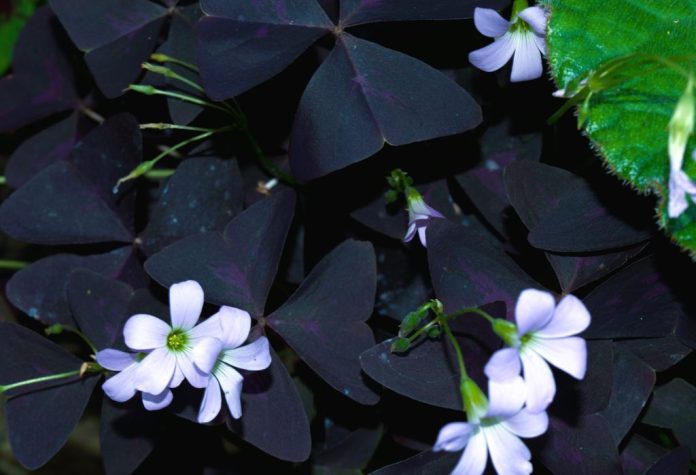
Oxalis triangularis, commonly known as the Purple Shamrock or False Shamrock, is a captivating plant with its striking purple foliage and delicate white or pink flowers. Native to Brazil, this plant has gained popularity worldwide for its unique appearance and relatively easy care. Whether you’re a seasoned gardener or a beginner, the Purple Shamrock can be a delightful addition to your indoor or outdoor garden.
Plant Characteristics
- Type: Herbaceous perennial
- Height: 6-12 inches
- Spread: 12-24 inches
- Foliage: Triangular, deep purple leaves that close at night
- Flowers: Small, star-shaped, white or pink blooms
- Light: Bright, indirect light
- Water: Moderate, well-drained soil
- USDA Zones: 6-10 (can be grown as a houseplant in cooler zones)
Propagation
Oxalis triangularis can be propagated through division of bulbs or from seeds, though bulb division is the most common method due to its simplicity and reliability.
- Division:
- Timing: The best time to divide Oxalis triangularis is in early spring or after the flowering period.
- Method: Gently remove the plant from its pot or garden bed. Separate the bulbs, ensuring each division has some roots attached. Replant the divisions immediately in well-draining soil.
- Seeds:
- Timing: Sow seeds in early spring indoors.
- Method: Fill a seed tray with a light, well-draining potting mix. Sprinkle the seeds on the surface and lightly cover with soil. Keep the soil moist and place the tray in a warm, bright location.
Planting and Care
- Soil:
- Oxalis triangularis prefers a light, well-draining soil. A mix of standard potting soil with added sand or perlite works well.
- Light:
- Provide bright, indirect light. Too much direct sunlight can scorch the leaves, while too little light can cause the plant to become leggy and lose its vibrant color.
- Watering:
- Water moderately, allowing the top inch of soil to dry out between waterings. Overwatering can lead to bulb rot, so ensure the pot has good drainage.
- Fertilization:
- Feed with a balanced, water-soluble fertilizer every 4-6 weeks during the growing season (spring and summer). Reduce feeding in the fall and winter.
- Temperature and Humidity:
- Oxalis triangularis thrives in temperatures between 60-75°F (15-24°C). It prefers moderate humidity but can tolerate lower levels. In dry indoor environments, occasional misting can help.
- Pruning:
- Remove spent flowers and any yellowing or dead leaves to encourage new growth and maintain a tidy appearance.
- Dormancy:
- The plant may go dormant in the winter. If this happens, reduce watering and let the leaves die back. Store the bulbs in a cool, dry place until new growth appears in the spring, then resume regular watering and care.
Pest and Disease Management
Oxalis triangularis is relatively pest-resistant but can occasionally attract aphids, spider mites, or mealybugs. Regularly inspect the plant and treat any infestations with insecticidal soap or neem oil. Ensure good air circulation to prevent fungal issues.
Indoor vs. Outdoor Growing
- Indoor: Ideal for cooler climates, providing controlled conditions. Ensure bright, indirect light and avoid drafts.
- Outdoor: In warmer climates (USDA zones 6-10), plant in a partially shaded spot with well-draining soil. Protect from intense midday sun.
Uses in Landscaping and Home Decor
Oxalis triangularis adds a vibrant splash of color to gardens, patios, and indoor spaces. It works well in containers, hanging baskets, or as a ground cover in shaded garden beds. Its unique foliage and charming flowers make it a popular choice for decorative accents and seasonal displays.
Conclusion
Oxalis triangularis, the enchanting Purple Shamrock, is a versatile and visually appealing plant that can thrive both indoors and outdoors with the right care. Its distinctive purple leaves and delicate flowers make it a standout addition to any plant collection. By following proper propagation, planting, and care techniques, you can enjoy the beauty of this unique plant year-round.
Oxalis triangularis – Grow Guide
Common name: Purple Shamrock, False Shamrock
Family: Oxalidaceae
Plant type: Tender perennial bulb/tuber
Hardiness: RHS H1 – frost-tender; grown indoors or as a patio plant in the UK
Height & spread: 30–45 cm tall × 15–30 cm wide
Overview
Oxalis triangularis is a striking foliage plant prized for its deep purple, triangular leaves and delicate pink or white flowers. It makes an excellent container plant, houseplant, or patio specimen, and its leaves fold up at night or in low light, adding movement and interest.
Position
- Bright, indirect light
- Can tolerate morning or late sun, but avoid harsh midday sun which may scorch leaves
- Ideal for windowsills, conservatories, or sheltered patios
Soil
- Fertile, well-drained compost
- Loam-based potting mix with added grit or sand works well
- pH: Neutral to slightly acidic (6.0–7.0)
Planting & Containers
- Plant tubers just below the soil surface (about 2–3 cm deep)
- Use a container with good drainage
- Leave space between tubers for growth
Watering
- Water moderately, keeping soil evenly moist during growth
- Allow the top of the compost to dry slightly between waterings
- Reduce watering during dormancy in winter
Feeding
- Feed every 2–3 weeks during active growth with a balanced liquid fertiliser
- No feeding required during dormancy
Temperature & Hardiness
- Minimum temperature 10–12 °C
- Prefers 18–24 °C in growth
- Protect from frost; overwinter indoors or in a heated greenhouse
Growth & Habit
- Forms clumps of upright, triangular leaves on slender stems
- Leaves open in the day and fold at night
- Produces clusters of small, five-petaled pink or white flowers
Flowering
- Months: Late spring–summer indoors; summer outdoors in warm, sheltered conditions
- Flowers attract pollinators but are mainly decorative
Maintenance
- Remove yellowing leaves to maintain tidy appearance
- Allow the plant to enter dormancy naturally after flowering
- Divide tubers every 2–3 years to maintain vigour
Pests & Problems
- Generally pest-free
- May be affected by aphids, mealybugs, or spider mites indoors
- Overwatering can cause tuber rot
Propagation
- Division of tubers in dormant season
- Rarely by seed, which is slow and unpredictable
Garden & Display Use
- Indoor or conservatory plant
- Patio container plant in summer
- Great for bright windowsills or tropical-style interiors
- Companion plants:
- Begonia
- Caladium
- Ferns
Quick Reference Table
| Feature | Details |
|---|---|
| Hardiness | RHS H1 – frost-tender |
| Height | 30–45 cm |
| Spread | 15–30 cm |
| Flowering | Late spring–summer |
| Position | Bright, indirect light |
| Soil | Fertile, well-drained; pH 6.0–7.0 |
| Water | Keep moist during growth; reduce in dormancy |
| Feeding | Balanced liquid feed every 2–3 weeks |
| Propagation | Tuber division |
| Maintenance | Remove yellow leaves, allow dormancy |
| Best feature | Striking purple triangular leaves and delicate flowers |