
The Newspaper For Gardeners

Looking Out for Hedgehogs...

Hedgehogs are some of the most endearing creatures in our gardens, but winter...

Prune Apple Trees

Pruning is an essential task for maintaining healthy, productive apple trees. Proper pruning...

Dividing Snowdrops: A Step-by-Step...

Snowdrops (Galanthus spp.) are a cherished sight in late winter, heralding the arrival...

Force Rhubarb: A Gardener’s...

Forcing rhubarb is a traditional gardening technique that produces tender, sweet stalks, perfect...
Monday, January 19, 2026
Gardening jobs for FebruaryLast Chance to Trim Deciduous Hedges Before New Growth Begins

Last Chance to Trim Deciduous Hedges Before New Growth Begins

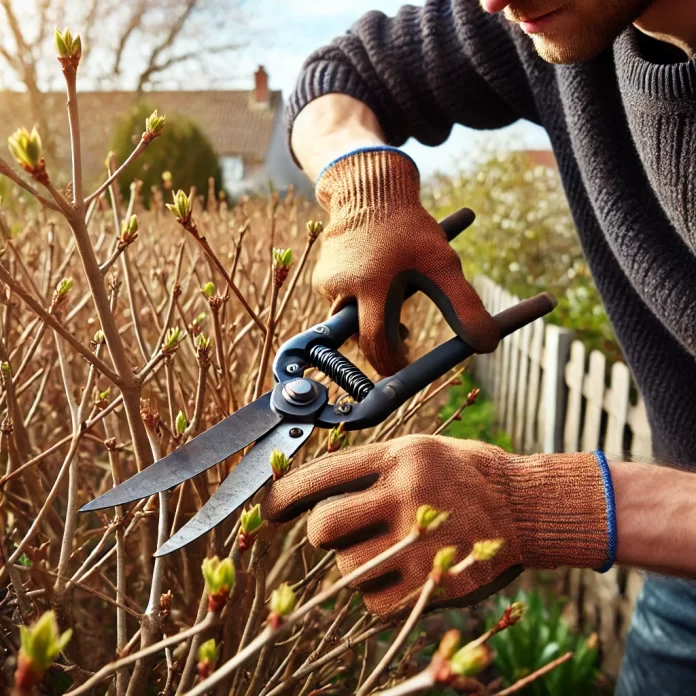
As winter fades and the first signs of spring emerge, March marks the final opportunity to trim deciduous hedges before they start putting on new leaves. Once buds break and fresh foliage appears, cutting back can stress the plant and lead to an untidy look for the rest of the season. Trimming now also provides a clear view of the branches, ensuring no bird nests are present before the official nesting season begins.

Why Trim Deciduous Hedges Now?

  • Shape the hedge before new growth starts, making maintenance easier later in the year.
  • Encourage healthy, dense growth by removing dead or weak branches.
  • Prevent excessive pruning after the hedge has already leafed out.
  • Check for and avoid disturbing bird nests while branches are still bare.

Legal Considerations for Hedge Trimming in the UK

Under the Wildlife and Countryside Act 1981, it is illegal to intentionally damage or destroy an active bird nest. Many birds begin nesting from March onwards, so cutting back now, before hedges leaf out, allows you to clearly see and avoid nests. If birds have already started nesting, you must delay trimming until after the breeding season, typically in late summer.

Additionally, the Anti-Social Behaviour Act 2003 states that if a hedge grows over 2 metres tall and affects a neighbour’s enjoyment of their property, they may file a complaint. If your hedge borders a neighbouring property, only trim your side unless you have permission to cut beyond your boundary.

How to Trim Deciduous Hedges Properly

  1. Choose the Right Tools – Use sharp shears, hedge trimmers, or secateurs for a clean cut.
  2. Check for Nests – Carefully inspect the hedge before starting to ensure no birds are nesting.
  3. Shape the Hedge – Trim to the desired height and width, tapering slightly so the base is wider than the top to allow even sunlight exposure.
  4. Remove Dead or Diseased Wood – Cutting back weak or damaged branches encourages strong new growth.
  5. Clean Up the Area – Rake up cuttings and compost where possible to keep your garden tidy.

Encouraging Wildlife-Friendly Hedges

If you want to support garden biodiversity, consider trimming selectively, leaving some sections untouched as shelter for birds and insects. Planting native hedge species such as hawthorn, blackthorn, or beech can provide food and nesting sites for wildlife while still allowing for manageable trimming.

Final Reminder: Don’t Delay!

With warmer temperatures just around the corner, this is your last chance to trim before deciduous hedges start leafing out. A well-timed trim now will set your hedge up for a healthy growing season while ensuring compliance with UK wildlife laws. If you haven’t tackled your hedge yet, now is the time!

Are you planning a hedge trim this week? Let us know what hedges you grow and how you maintain them!


spot_img

lOOKING FOR MORE WORK?

The free and easy way to get more customers. Just join Find Local Gardeners.

🌺 Plant Summer Flowering Bulbs: Lilies, Gladioli & Dahlias for a Stunning Summer Display As spring gets into full swing, it's time to look ahead...
GARDENERS URGED TO PRUNE ROSES NOW—BUT NOT ALL ROSES AT ONCE Gardeners are being reminded that St. Patrick’s Day, March 17, is the latest recommended...
Growing fruit bushes like currants, gooseberries, raspberries, and blueberries can be incredibly rewarding, but without proper protection, birds and other wildlife can quickly strip...
March is the perfect time to start tender crops like tomatoes, peppers, and cucumbers indoors, giving them a head start before transplanting them outside...
February is a great time to start sowing early crops, even though it’s still cold. With a little protection, you can get ahead of...

Bulrush proud to sponsor the 2026 BOA Technical Conference

Bulrush Horticulture, one of the UK’s leading growing media and substrate suppliers, is delighted to again confirm sponsorship of the annual British Ornamentals Association (BOA) Technical Conference next month, as it continues to support the next generation of horticultural...

Grow Your Teaching: RBG Kew launches new resource for teachers to help close the green careers gap

Free, purpose-built online hub designed to empower teachers around subjects of plant and environmental science Practical response to 2025 review which found minimal climate education provision in the national curriculum Showcases real-world Kew research projects, including the newly opened Carbon Garden Funded...

There’s more to mental health than ‘depressing’ Blue Monday, says charity Plants and Minds

Leading Dorset-based mental health charity Plants and Minds is today warning that people can be tipped into crisis at any time of year – dispelling the myth that mental health breakdowns peak on Blue Monday. Blue Monday, which falls on...

Top 5 Mistakes Gardeners Make With Gardening Contracts

Many gardeners rely on experience, reputation, and trust to keep work flowing. While that approach can work, it often leaves gardeners exposed when expectations aren’t clear. Contracts don’t need to be complicated, but avoiding them—or using them poorly—is one...

Continue reading

I’ve Been Gardening Since the 1970s — and I Don’t Recognise Modern Advice

I started gardening in the 1970s, when advice was simple, local, and often passed on by someone who had made the mistakes before you. You learned by watching plants fail, succeed, and surprise you. You learned by turning up...

No-Dig Is Not a Religion

No-dig gardening has become one of the most fiercely defended ideas in modern horticulture. Question it, and you can expect raised eyebrows, sharp comments, and accusations of being “behind the times.” Suggest that digging might sometimes be necessary, and...

Why Cheap Prices Attract Broke Customers – And Why That’s a Problem at Price Rise Time

As price rise season approaches, many small businesses feel the pressure to hold their prices down. There’s a fear that increasing prices will drive customers away, especially in tough economic times. But there’s an uncomfortable truth that needs saying: Cheap...

SUBSCRIBE TO OUR YOUTUBE CHANNEL

Plant advice for unusual species plus updates from our tropical garden

SUBSCRIBE