
The Newspaper For Gardeners

Looking Out for Hedgehogs...

Hedgehogs are some of the most endearing creatures in our gardens, but winter...

Prune Apple Trees

Pruning is an essential task for maintaining healthy, productive apple trees. Proper pruning...

Dividing Snowdrops: A Step-by-Step...

Snowdrops (Galanthus spp.) are a cherished sight in late winter, heralding the arrival...

Force Rhubarb: A Gardener’s...

Forcing rhubarb is a traditional gardening technique that produces tender, sweet stalks, perfect...
Friday, January 9, 2026
Acid soilKniphofia Grow Guide

Kniphofia Grow Guide

Kniphofia Grow Guide

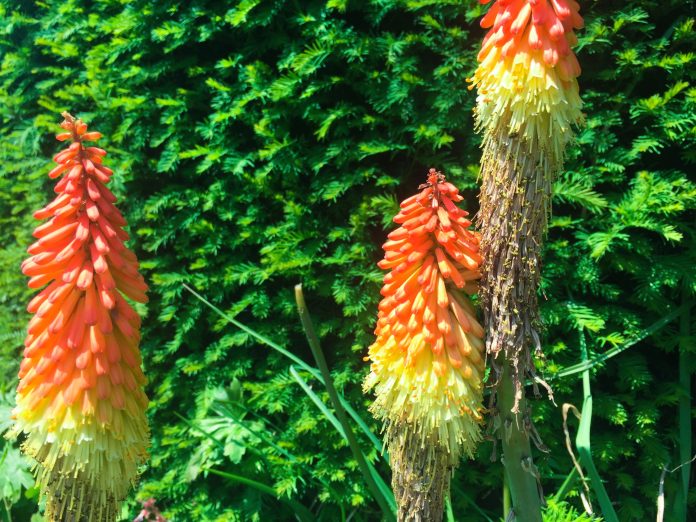
Kniphofia, commonly known as Red Hot Poker, is a striking perennial known for its tall, torch-like flower spikes in shades of red, orange, yellow, and cream. These sun-loving plants add a dramatic vertical element to gardens and are attractive to pollinators.

Classification

  • Kingdom: Plantae
  • Clade: Angiosperms
  • Order: Asparagales
  • Family: Asphodelaceae
  • Genus: Kniphofia

Choosing the Right Kniphofia

There are many species and cultivars of Kniphofia, varying in height, flower color, and bloom time:

  • Kniphofia uvaria – A classic variety with tall, red-to-orange flowers.
  • Kniphofia ‘Lemon Popsicle’ – A compact variety with bright yellow blooms.
  • Kniphofia ‘Tawny King’ – Produces apricot and cream-colored flowers.
  • Kniphofia caulescens – Known for its bluish-green foliage and striking flower spikes.

Planting

  • Location: Kniphofia thrives in full sun and benefits from a sheltered position.
  • Soil: Prefers well-drained, fertile soil; tolerates sandy and loamy soils but dislikes heavy clay unless well-amended.
  • Hardiness: Hardy in USDA zones 5-9, depending on the variety.
  • Flowering Months: Blooms from late spring to early autumn (June-September).
  • Planting Time: Best planted in spring or autumn.
  • Spacing: Space plants 60-90 cm apart, depending on the variety.

Care and Maintenance

  • Watering: Moderate water needs; drought-tolerant once established but benefits from occasional deep watering.
  • Mulching: Apply mulch in autumn to protect the roots in colder climates.
  • Feeding: Use a balanced, slow-release fertilizer in spring to encourage strong growth.
  • Pruning: Deadhead spent flowers to encourage continuous blooming. In late autumn, cut back old foliage to tidy up the plant.

Common Problems

  • Crown Rot: Can occur in poorly drained soils; ensure good drainage.
  • Slug and Snail Damage: Young shoots may be vulnerable; use organic deterrents.
  • Rust and Leaf Spot: Fungal diseases can be prevented with good air circulation.

Propagation

  • Division: Divide mature clumps every 3-5 years in early spring or autumn.
  • Seed: Can be grown from seed, but hybrids may not come true.

Popular Uses

  • Ideal for mixed borders and coastal gardens.
  • Pairs well with grasses and drought-tolerant perennials.
  • Excellent for attracting bees and butterflies.

With minimal care, Kniphofia provides long-lasting color and a unique architectural presence in the garden, making it a standout feature in any sunny landscape.


spot_img

lOOKING FOR MORE WORK?

The free and easy way to get more customers. Just join Find Local Gardeners.

Tradescantia fluminensis ‘Maiden’s Blush’ is a beautiful and popular houseplant known for its colorful foliage and trailing growth habit. Here’s a guide to help...
Phytolacca americana ‘Silberstein,’ commonly known as American pokeweed ‘Silberstein’ or Phytolacca laka boom, is a cultivar of the native American pokeweed. It is grown...
Petasites japonicus, commonly known as Japanese butterbur or giant butterbur, is a herbaceous perennial plant that is native to Japan and other parts of...
Melianthus major, commonly known as honey bush or giant honey flower, is an unusual and attractive perennial plant native to South Africa. It has...
Rodgersia ‘Bronze Peacock’ is a striking perennial plant known for its bronze-colored foliage and attractive plumes of flowers. It grows to about one meter...

Continue reading

How to grow Tradescantia fluminensis ‘maiden’s blush’

Tradescantia fluminensis ‘Maiden’s Blush’ is a beautiful and popular houseplant known for its colorful foliage and trailing growth habit. Here’s a guide to help you grow and care for this lovely plant: Light: ‘Maiden’s Blush’ prefers bright, indirect light. Avoid placing...

How to grow Phytolacca laka boom

Phytolacca americana ‘Silberstein,’ commonly known as American pokeweed ‘Silberstein’ or Phytolacca laka boom, is a cultivar of the native American pokeweed. It is grown for its attractive, variegated foliage and berries. Here’s how to grow Phytolacca laka boom: Climate and...

How do you grow Petasites japonicus?

Petasites japonicus, commonly known as Japanese butterbur or giant butterbur, is a herbaceous perennial plant that is native to Japan and other parts of Asia. It is grown for its large, attractive foliage and is often used in ornamental...

SUBSCRIBE TO OUR YOUTUBE CHANNEL

Plant advice for unusual species plus updates from our tropical garden

SUBSCRIBE