

Ensete ventricosum ‘Maurelii’, commonly known as the red Abyssinian banana, is a stunning focal point in tropical-style gardens, thanks to its bold, red-tinged leaves and towering size. Unlike Musa basjoo, this banana is not hardy and cannot survive UK winters outdoors without substantial protection. Native to tropical regions of Africa, Ensete ventricosum ‘Maurelii’ requires careful overwintering to ensure it thrives year after year.
Understanding Ensete ventricosum ‘Maurelii’s Hardiness
- Leaves: The leaves are highly sensitive to frost and will die when temperatures fall below 0°C (32°F).
- Pseudostem: The pseudostem cannot survive prolonged exposure to temperatures below -1°C to -2°C (30°F to 28°F) and will die if frozen.
- Root Ball (Crown): The root ball is the most resilient part but will perish at temperatures below -3°C (27°F) without proper protection.
For most gardeners in the UK, overwintering this plant requires either lifting it for indoor storage or extensive outdoor insulation in very mild areas.
Step-by-Step Guide to Overwintering Ensete ventricosum ‘Maurelii’
Option 1: Lifting and Storing Indoors
This is the safest method for overwintering Ensete ventricosum ‘Maurelii’ in the UK.
1. Timing:
- Lift the plant after the first frost blackens the leaves, typically in late autumn (October-November).
2. Cutting Back the Plant:
- Trim the leaves back to about 15–30 cm (6–12 inches) from the top of the pseudostem. This reduces bulk and prevents the plant from expending energy on decaying foliage.
3. Lifting the Root Ball:
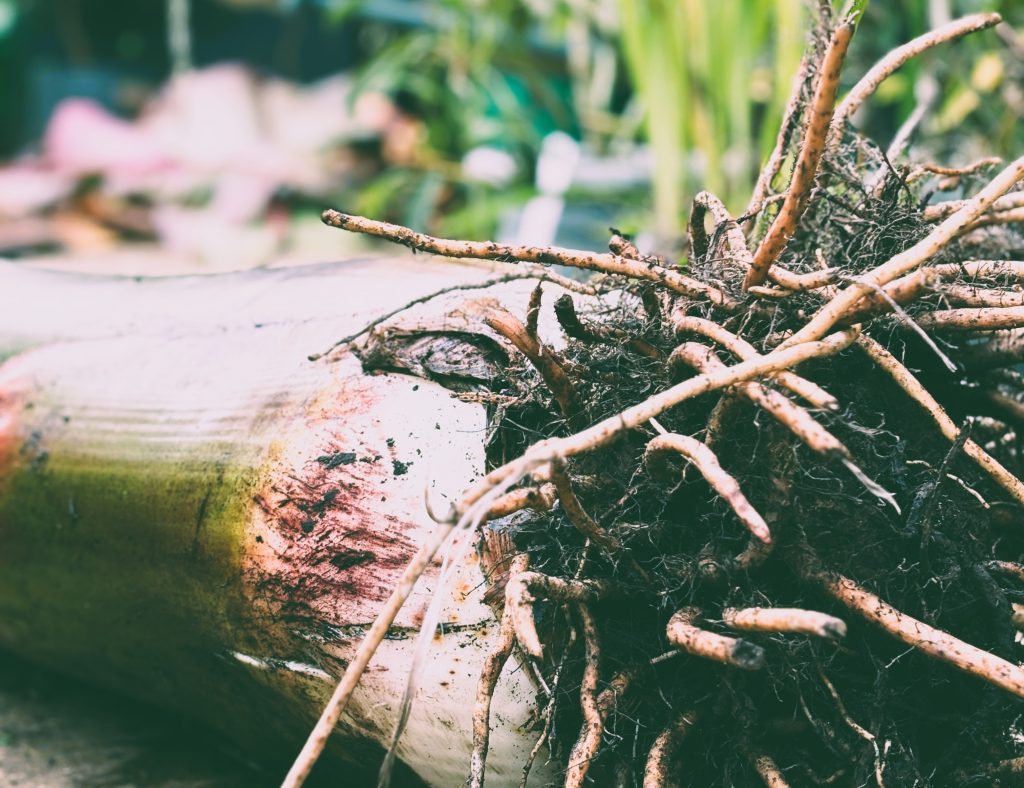
- Carefully dig around the base of the plant to lift the root ball, preserving as much of it as possible.
4. Drying the Plant:
- Place the plant in a cool, dry location (e.g., a garage or shed) for a few days to allow the root ball to dry out. This helps prevent rot during storage.
5. Storing the Plant:
- Place the plant in a frost-free environment, such as a garage, cellar, or greenhouse, where temperatures stay between 5°C and 10°C (41°F to 50°F).
- You can either store the plant upright or place it horizontally on its side.
- Ensure good air circulation to prevent mould and rot.
6. Periodic Maintenance:
- Check the plant every few weeks for signs of rot or desiccation. If the root ball dries out too much, lightly mist it with water.
Option 2: Protecting Outdoors
In very mild areas of the UK (e.g., southern coastal regions), you may be able to leave Ensete ventricosum ‘Maurelii’ in situ with heavy insulation.

1. Cutting Back:
- Remove the leaves, leaving about 15–30 cm (6–12 inches) of the pseudostem intact.
2. Wrapping the Pseudostem:
- Wrap the pseudostem tightly with layers of horticultural fleece or straw to insulate it. Secure with twine.
- Add an outer layer of plastic sheeting or a waterproof bag to protect from rain, ensuring the base is open to allow airflow and prevent moisture build-up.
3. Mulching the Base:
- Apply a thick layer of mulch (15–20 cm / 6–8 inches) around the root zone to insulate the crown.
- In colder regions, cover the entire base with additional straw or fleece for extra protection.
4. Monitoring:
- Check periodically throughout winter for signs of rot or damage. Remove protective layers gradually in spring once frosts have passed.
Spring Revival
1. Bring Plants Out of Dormancy:
- If stored indoors, reintroduce the plant to light and warmth in early spring (March-April).
- Pot it into fresh compost and begin watering lightly to encourage new growth.
2. Outdoor Plants:
- Remove winter protection once the risk of frost has passed (typically late May).
- Check for any damage to the pseudostem or crown and remove any rotted sections.
3. Feeding and Watering:
- Start feeding with a balanced fertilizer in spring and switch to a high-nitrogen fertilizer during the growing season to support vigorous leaf production.
Final Tips for Success
- Drainage is Essential: Ensure the soil or storage environment prevents waterlogging, as Ensete ventricosum ‘Maurelii’ is highly susceptible to rot.
- Plan Ahead: Lifting large plants can be challenging, so consider planting in containers or easily accessible spots for easier overwintering.
- Be Vigilant: Frost can arrive unexpectedly, so have your winter protection plan ready by mid-autumn.
With a little effort, you can preserve Ensete ventricosum ‘Maurelii’ through the winter and enjoy its bold, architectural presence year after year.