
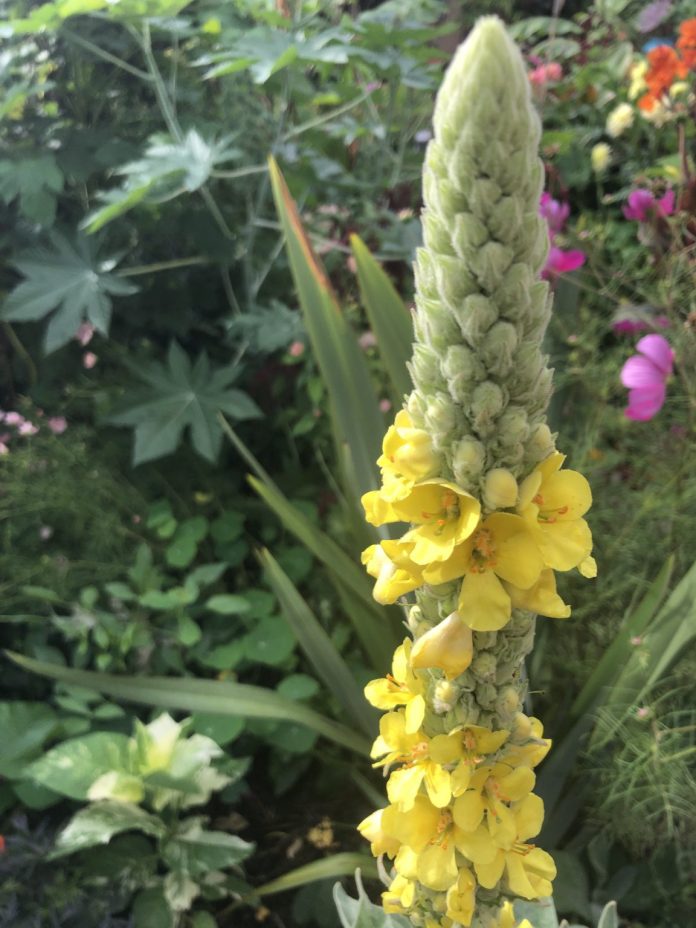
Verbascums, also known as mulleins, are a group of flowering plants renowned for their tall spikes adorned with delicate, cup-shaped flowers. These hardy perennials or biennials not only add a charming aesthetic to gardens but also hold a rich historical significance and boast a range of practical uses. Whether you’re a seasoned gardener or a novice enthusiast, cultivating verbascums can be a rewarding experience. Let’s delve into the history, uses, and how to grow verbascum..
History and Uses:
Verbascums have a long history intertwined with human civilization. Ancient civilizations, including the Greeks and Romans, recognized the medicinal properties of verbascum plants. They were used to treat various ailments, including respiratory issues, earaches, and skin conditions. The plant’s soft leaves were even employed as makeshift toilet paper in times gone by.
Beyond their medicinal uses, verbascums have held symbolic significance in folklore and mythology. In some cultures, they were associated with courage and protection, while in others, they were believed to ward off evil spirits. Verbascums have also been used as decorative elements in traditional ceremonies and celebrations.
Today, while the medicinal use of verbascums has diminished, they remain popular for their ornamental value. Their tall spikes of flowers add vertical interest to gardens, making them ideal for borders, cottage gardens, and wildflower meadows. Additionally, the dried flowers and seed heads of verbascums are often used in floral arrangements and crafts, adding texture and visual appeal.
Making mullein tea is a simple process that involves steeping dried mullein leaves or flowers in hot water. Here’s a step-by-step guide to making mullein tea:
Ingredients:
- Dried mullein leaves or flowers
- Water
Instructions:
- Gather Your Ingredients: You’ll need dried mullein leaves or flowers. You can either purchase them from herbal stores or online, or you can harvest and dry them yourself if you have access to mullein plants.
- Prepare Your Equipment: Get a teapot or a heatproof container to steep the tea. You’ll also need a strainer or infuser to strain the tea leaves or flowers after steeping.
- Measure the Mullein: Use about 1 to 2 teaspoons of dried mullein leaves or flowers per cup of water. Adjust the amount based on your taste preference and the strength of flavor you desire.
- Boil Water: Bring water to a boil in a pot or kettle. You’ll need enough water to cover the mullein leaves or flowers in your teapot or container.
- Steep the Mullein: Place the dried mullein leaves or flowers into your teapot or heatproof container. Pour the boiling water over the mullein until it’s fully submerged.
- Cover and Steep: Cover the teapot or container with a lid or a plate to trap the heat and aroma. Let the mullein steep in the hot water for 10 to 15 minutes. Steeping time can vary based on personal preference and desired strength of the tea.
- Strain the Tea: After steeping, use a fine mesh strainer or tea infuser to remove the mullein leaves or flowers from the tea. Pour the tea into cups or mugs.
- Enjoy Your Mullein Tea: Mullein tea can be enjoyed hot or cold, depending on your preference. You can drink it plain or add a sweetener like honey or sugar, as well as lemon or other flavorings, to enhance the taste.
Tips:
- If you’re harvesting mullein from the wild, make sure you’re confident in your identification skills to avoid accidentally picking a toxic plant.
- Start with a small amount of mullein tea to see how your body reacts, especially if you’re trying it for the first time, as some people may be sensitive to certain herbs.
- Store any leftover mullein tea in the refrigerator and consume it within a day or two for the best flavor and freshness.
Mullein tea is known for its mild, slightly sweet flavor and is often enjoyed for its potential respiratory and soothing properties. As with any herbal remedy, it’s always a good idea to consult with a healthcare professional, especially if you have any underlying health conditions or are taking medications, to ensure that mullein tea is safe and appropriate for you.


Cultivation Tips:
Growing verbascums requires some attention to their preferred growing conditions and care regimen. Here are some tips to help you cultivate these charming plants successfully:
Sunlight: Verbascums thrive in full sun, so choose a planting location that receives at least six to eight hours of sunlight per day.
Soil: Well-drained soil is essential for healthy verbascums. They prefer slightly alkaline to neutral soil with good drainage. If your soil is heavy or clay-like, amend it with organic matter such as compost to improve drainage.
Watering: While verbascums are drought-tolerant once established, they benefit from regular watering during the growing season, especially during hot and dry periods. Water deeply but infrequently to encourage deep root growth.
Spacing: When planting verbascums, space them according to their mature size to allow for adequate air circulation and prevent overcrowding. Generally, space them 18 to 24 inches apart.
Maintenance: Deadhead spent flowers to prolong the blooming period and encourage continuous flowering. In colder climates, mulching around the base of the plants in late fall can help protect them from frost.
Propagation: Verbascums can be propagated from seeds or by division. Sow seeds directly in the garden in spring or start them indoors several weeks before the last frost date. Division is best done in early spring or fall when the plants are not actively growing.
Pests and Diseases: While verbascums are relatively pest and disease-resistant, they may occasionally be affected by aphids, powdery mildew, or rust. Monitor your plants regularly and treat any issues promptly with organic pest controls or fungicides if necessary.
Conclusion:
Cultivating verbascums can add a touch of history, beauty, and practicality to your garden. Whether you’re drawn to their rich historical significance, their ornamental value, or their ecological benefits as pollinator attractors, verbascums are a worthy addition to any garden landscape. By following these cultivation tips and embracing their diverse uses, you can enjoy the splendor of verbascums in your own outdoor oasis.
Verbascum – Grow Guide
Common name: Mullein
Family: Scrophulariaceae
Type: Biennial or short-lived perennial
Hardiness: RHS H5 – fully hardy in the UK
Ultimate size: 60 cm–2 m tall × 30–60 cm wide, depending on species
Overview
Verbascum is a classic architectural plant, producing tall, erect flower spikes covered in bell-shaped flowers in summer. Available in shades of yellow, white, pink, and purple, it is ideal for cottage, wildflower, or tropical-style borders. Biennial species form a basal rosette the first year and flower the second, while perennial types may flower for several years.
Position
- Light: Full sun
- Requires a sheltered position, especially for taller varieties
- Tolerates poor soils but flowers best in well-draining fertile soil
Soil
- Type: Well-drained, neutral to slightly alkaline soil
- Avoid heavy clay or waterlogged areas
- Add grit or sand to improve drainage if necessary
Planting
- When: Spring or autumn for established plants or plugs
- Space plants 30–60 cm apart, depending on mature size
- Suitable for borders, wildflower gardens, or large containers
Watering
- Drought-tolerant once established
- Water moderately during establishment
- Avoid waterlogging
Feeding
- Generally low-maintenance; fertiliser rarely needed
- Optional balanced liquid feed in spring for larger flowers
Growth & Habit
- Erect, architectural spikes from basal rosettes
- Foliage: soft, hairy leaves in rosette
- Produces tall flowering spikes, 1–2 m, depending on cultivar
- Deadhead to prolong flowering and prevent unwanted self-seeding
Flowering
- Months: June–September (UK)
- Flowers: Bell-shaped, densely packed on vertical spikes
- Attracts bees, butterflies, and other pollinators
- Flower colour depends on species/cultivar: yellow, cream, pink, purple
Maintenance
- Remove spent flower spikes to tidy the plant or collect seeds
- Mulch rosette in winter for biennial species if soil is cold
- Cut back foliage after flowering to encourage new growth or allow seed collection
Propagation
- Seed: Sow spring or autumn; best sown fresh
- Division: Rarely used; biennial varieties usually grown from seed
Pests & Problems
- Generally pest- and disease-free
- Occasional aphids or spider mites
- Root rot in poorly drained soils
Garden Use
- Cottage or wildflower borders
- Architectural vertical element in herbaceous or tropical-style planting
- Excellent with:
- Verbena bonariensis
- Digitalis
- Perovskia
- Tall ornamental grasses
Quick Reference Table
| Feature | Details |
|---|---|
| Hardiness | RHS H5 – fully hardy |
| Height | 60 cm–2 m |
| Spread | 30–60 cm |
| Flowering | June–September |
| Position | Full sun; sheltered |
| Soil | Well-draining; neutral to slightly alkaline |
| Water | Moderate; drought-tolerant once established |
| Feeding | Optional balanced feed in spring |
| Propagation | Seed (spring or autumn) |
| Maintenance | Deadhead; mulch rosette in winter for biennials |
| Best feature | Tall, architectural flower spikes attracting pollinators |