
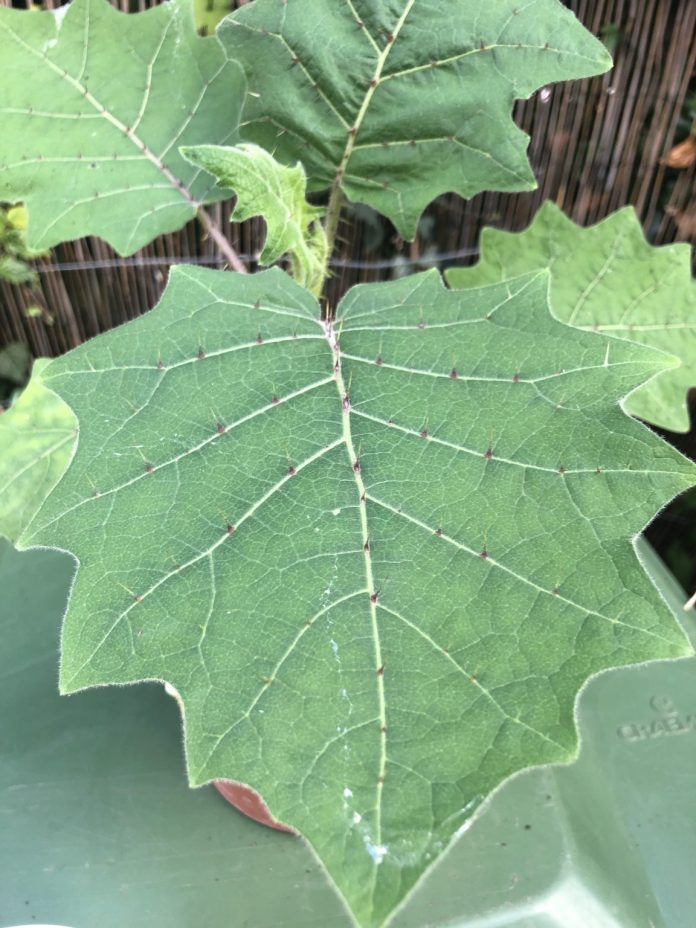
Solanum quitoense, commonly known as naranjilla or lulo, is a tropical fruit plant native to South America. Growing it in the UK can be challenging due to the colder climate, but it’s not impossible. Here are some steps you can take to try and successfully grow Solanum quitoense in the UK:
- Climate Considerations: Naranjilla is a tropical plant and requires warm temperatures to thrive. In the UK, you’ll need to create a controlled environment, such as a greenhouse or sunroom, to provide the necessary warmth and protection from cold temperatures.
- Choose the Right Location: If you’re planting outdoors, choose a south-facing location that receives maximum sunlight. This will help the plant receive as much warmth and light as possible.
- Soil Preparation: Naranjilla prefers well-draining soil that is rich in organic matter. You can improve the soil by adding compost or well-rotted manure before planting.
- Container Growing: If you don’t have access to a greenhouse, consider growing naranjilla in a large container. This will allow you to move the plant indoors during colder months. Make sure the container has good drainage and is filled with a suitable potting mix.
- Seed Selection and Germination: Obtain high-quality naranjilla seeds from a reputable source. Start the seeds indoors in early spring. Use a seed-starting mix and provide bottom heat to encourage germination. Keep between 20-25C and use a sandy mix. Seeds can take up to a month to geminate. Once the seedlings have developed a few leaves, you can transplant them into larger containers.
- Temperature and Light: Naranjilla plants require warm temperatures between 60-80°F (15-27°C). They also need plenty of sunlight. If growing indoors, consider using artificial grow lights to supplement natural light.
- Regular Watering: Keep the soil consistently moist but not waterlogged. Proper watering is important for healthy growth.
- Fertilization: Fertilize the plants with a balanced, water-soluble fertilizer every 4-6 weeks during the growing season. Follow the manufacturer’s instructions for application.
- Pruning: Prune the plants as needed to encourage bushier growth and remove any dead or diseased parts.
- Pest and Disease Control: Keep an eye out for common pests such as aphids, mealybugs, and spider mites. Use appropriate methods like insecticidal soap or neem oil to control them. Also, make sure the growing environment is well-ventilated to prevent fungal diseases.
- Pollination: Naranjilla plants are self-fertile, but better fruit set can occur with cross-pollination. If growing indoors, you may need to assist with pollination using a soft brush to transfer pollen from flower to flower.
- Harvesting: Naranjilla fruit is ready to harvest when the skin changes from green to a slightly yellow or orange color. The fruit should be slightly soft to the touch. Harvest by twisting the fruit off the stem. The fruit should be used promptly, as it doesn’t have a long shelf life.
Solanum quitoense – Grow Guide
Common name: Naranjilla, Lulo
Family: Solanaceae
Type: Tender perennial shrub / small tree
Hardiness: RHS H3 – frost-tender; grow in greenhouse, conservatory, or as a summer container plant in the UK
Ultimate size: 1–1.5 m tall × 1 m wide (can be pruned)
Overview
Solanum quitoense is a tropical shrub prized for its unique, round, orange fruits with a citrusy flavour, often used in juices and desserts. The plant has soft, hairy leaves and thrives in warm, humid conditions. In the UK, it is mainly grown under glass or in containers.
Position
- Light: Full sun to bright light
- Protect from strong winds, especially if grown outdoors in summer
- Outdoors: only during warm summer months, after frost risk has passed
Soil
- Type: Fertile, well-draining soil
- Mix with peat, loam, and perlite for containers
- pH: Slightly acidic to neutral (5.5–6.5)
Planting
- When: Spring for container planting or greenhouse planting
- Space 50–70 cm apart if grown in pots
- Ensure good drainage to prevent root rot
Watering
- Keep soil consistently moist, especially during growth and fruiting
- Avoid waterlogging – sensitive to root rot
- Misting leaves in dry conditions helps simulate tropical humidity
Feeding
- Heavy feeder; apply balanced liquid fertiliser every 2–3 weeks during active growth
- Optional slow-release fertiliser in spring
Growth & Habit
- Upright, bushy shrub with soft, hairy stems
- Produces clusters of small, round fruits 6–10 cm in diameter
- Prune lightly to maintain shape and airflow
- Can be grown as an annual outdoors in summer, overwinter under glass
Flowering
- Month: Summer (June–August in UK greenhouse)
- Flowers: Small, pale lilac with yellow stamens, attractive to pollinators
- Fruit set: Requires hand pollination in UK conditions for good fruit production
Maintenance
- Prune weak or crowded growth to improve air circulation
- Remove lower leaves to reduce risk of fungal disease
- Support taller stems with stakes if needed
Propagation
- Seed: Most common; germinates in 2–4 weeks at 22–25 °C
- Cuttings: Softwood cuttings root easily in moist conditions
Pests & Problems
- Aphids, whitefly, and spider mites indoors or in greenhouse
- Fungal diseases like powdery mildew or botrytis in humid, poorly ventilated spaces
- Root rot if soil is poorly drained
Garden Use
- Container growing on patios or in greenhouses
- Tropical-themed gardens
- Edible garden or indoor tropical fruit collection
- Pairs with Capsicum, Solanum melongena, and other tender solanaceous plants for a tropical display
Quick Reference Table
| Feature | Details |
|---|---|
| Hardiness | RHS H3 – frost-tender |
| Height | 1–1.5 m |
| Spread | ~1 m |
| Flowering | June–August |
| Fruit | Orange, 6–10 cm diameter; citrus-flavoured |
| Position | Full sun to bright light; sheltered |
| Soil | Fertile, well-draining; slightly acidic |
| Water | Keep consistently moist; avoid waterlogging |
| Feeding | Balanced liquid fertiliser every 2–3 weeks |
| Propagation | Seed (main), softwood cuttings |
| Maintenance | Prune crowded growth; support stems; remove lower leaves |
| Pests | Aphids, whitefly, spider mites; watch for fungal disease |