
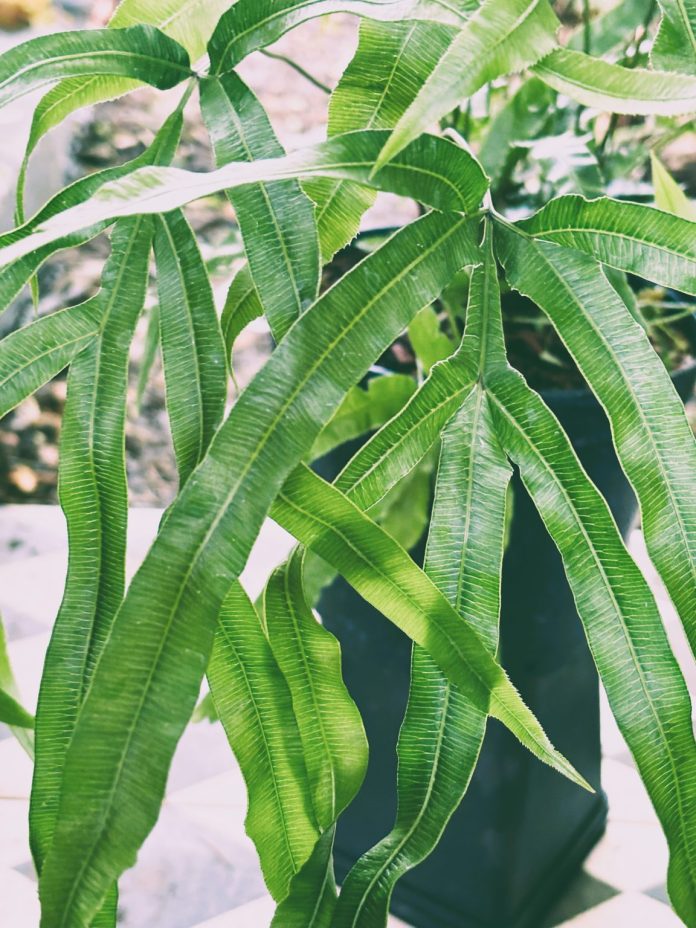
Pteris umbrosa, commonly known as the jungle brake or Australian brake fern, is a strikingly elegant fern native to the rainforests of Eastern Australia. With its lush, arching fronds and delicate, finely divided leaves, this fern can transform any garden into a verdant paradise reminiscent of a tropical rainforest. Though naturally found in more humid and warm climates, Pteris umbrosa can be successfully cultivated in the UK, allowing gardeners to create a tropical haven even in temperate zones.
A Brief History of Pteris Umbrosa
Pteris umbrosa belongs to the Pteridaceae family, a group of ferns with a global distribution. The fern was first described scientifically in the early 19th century as European botanists explored the diverse flora of Australia. Its discovery added to the fascination with ferns during the Victorian era, a period when “fern fever” or pteridomania swept through Europe. Today, Pteris umbrosa remains a favorite among fern enthusiasts for its aesthetic appeal and relative ease of care.
Cultivating Pteris Umbrosa in the UK
Creating a tropical-style garden in the UK with Pteris umbrosa requires some specific conditions to mimic its natural habitat. Here’s a comprehensive guide to help you grow this stunning fern.
1. Choosing the Right Location
Pteris umbrosa thrives in shaded or semi-shaded areas. Select a spot in your garden that receives dappled sunlight or is under the canopy of taller plants. This mimics the understorey conditions of its native rainforest.
2. Soil Requirements
The fern prefers well-draining, humus-rich soil with a slightly acidic to neutral pH (5.5 to 7.0). To prepare the soil, mix organic compost or leaf mold to increase its fertility and drainage capability. If planting in a container, ensure the pot has adequate drainage holes.
3. Planting and Spacing
Plant Pteris umbrosa during the spring when the soil begins to warm. Dig a hole large enough to accommodate the root ball, place the fern in the hole, and backfill with soil, pressing gently to remove air pockets. Space multiple plants about 30-45 cm apart to allow room for growth and air circulation.
4. Watering
Maintain consistent moisture in the soil without waterlogging. In the UK, where rainfall can be unpredictable, regular watering might be necessary, especially during dry spells. Mulching around the base of the plant helps retain soil moisture and keeps roots cool.
5. Humidity and Temperature
Though adaptable, Pteris umbrosa appreciates a humid environment. If growing indoors or in a greenhouse, consider using a humidity tray or a humidifier to maintain adequate moisture in the air. The fern is hardy in USDA zones 9-11, which corresponds to the milder coastal regions of the UK. In colder areas, it may require winter protection or indoor cultivation.
6. Feeding
Fertilize the fern during the growing season (spring and summer) with a balanced liquid fertilizer diluted to half strength. Over-fertilization can lead to leaf burn and should be avoided.
7. Pruning and Maintenance
Regularly remove any dead or yellowing fronds to maintain plant health and appearance. Pteris umbrosa generally has few pest problems, but keep an eye out for common fern pests such as aphids, scale, and spider mites, treating them promptly if detected.
Designing a Tropical-Style Garden
To achieve a lush, tropical aesthetic, integrate Pteris umbrosa with other compatible plants. Consider adding:
- Foliage Plants: Combine with other ferns like Dryopteris (wood fern) and Asplenium (spleenwort) for varied textures.
- Flowering Plants: Introduce color with shade-tolerant flowers such as begonias, impatiens, and hostas.
- Tropical Shrubs: Use shrubs like Fatsia japonica or hardy palms like Trachycarpus fortunei to add structure and height.
- Ground Cover: Enhance the jungle feel with ground cover plants like ajuga or hellebores.
Conclusion
Growing Pteris umbrosa in the UK may require a bit of effort to simulate its natural rainforest conditions, but the reward is a stunning fern that brings an exotic touch to your garden. With careful placement, proper soil preparation, and attentive care, you can enjoy the lush, tropical vibe of this Australian native right in your own backyard.
Pteris umbrosa – Grow Guide
Common name: Shady Brake Fern
Family: Pteridaceae
Plant type: Evergreen fern
Hardiness: RHS H5–H6 – hardy in most of the UK, best in sheltered spots
Height & spread: 60–90 cm tall × 60–90 cm wide
Overview
Pteris umbrosa is an attractive, shade-loving fern with archingly elegant, dark green fronds. It thrives in woodland-style gardens, shaded borders, or under trees, and is perfect for creating tropical-style foliage displays. Unlike some ferns, it is relatively robust in UK gardens if given moist, well-drained soil and shelter from harsh winds.
Position
- Partial to full shade; avoids direct sun, which can scorch fronds
- Prefers sheltered locations with high humidity if possible
- Ideal for woodland gardens, shaded patios, or containers
Soil
- Moist, fertile, humus-rich, well-drained soil
- Slightly acidic to neutral (pH 5.5–7.0)
- Incorporate leaf mould or well-rotted compost to improve moisture retention
Planting
- Plant in spring or autumn
- Space 45–60 cm apart to allow for frond spread
- Mulch around the base to conserve moisture and suppress weeds
Watering
- Keep soil consistently moist, especially during dry periods
- Avoid waterlogging, which can cause crown or root rot
- Increase humidity around the plant if grown in containers
Feeding
- Apply a liquid balanced fertiliser every 3–4 weeks during active growth
- Slow-release fertiliser in spring can also help maintain vigour
Growth & Habit
- Arching evergreen fronds arise from a central crown
- Clump-forming habit, creating a dense, tropical-style effect
- Fronds are delicate yet robust, with a dark green colour that holds through winter in mild UK gardens
Maintenance
- Remove dead or damaged fronds as needed to maintain a tidy appearance
- Mulch annually with leaf mould or compost
- Divide mature clumps in spring if overcrowded
Pests & Problems
- Generally trouble-free
- Occasional slugs and snails may nibble young fronds
- Overwatering or poor drainage can lead to root or crown rot
Propagation
- Division of clumps in spring
- Spores: Possible but slow and requires specialist conditions
Garden & Display Use
- Shaded borders and woodland gardens
- Containers for tropical or shady patios
- Underplanting for trees or shrubs
- Companion plants:
- Hosta
- Astilbe
- Rodgersia
- Fern collections
Quick Reference Table
| Feature | Details |
|---|---|
| Hardiness | RHS H5–H6 |
| Height | 60–90 cm |
| Spread | 60–90 cm |
| Position | Partial to full shade; sheltered |
| Soil | Moist, humus-rich, well-drained; pH 5.5–7.0 |
| Water | Keep consistently moist; avoid waterlogging |
| Feeding | Balanced liquid feed every 3–4 weeks in growth |
| Propagation | Division; spores |
| Maintenance | Remove dead fronds; mulch annually |
| Best feature | Arching evergreen fronds for tropical-style shade planting |