
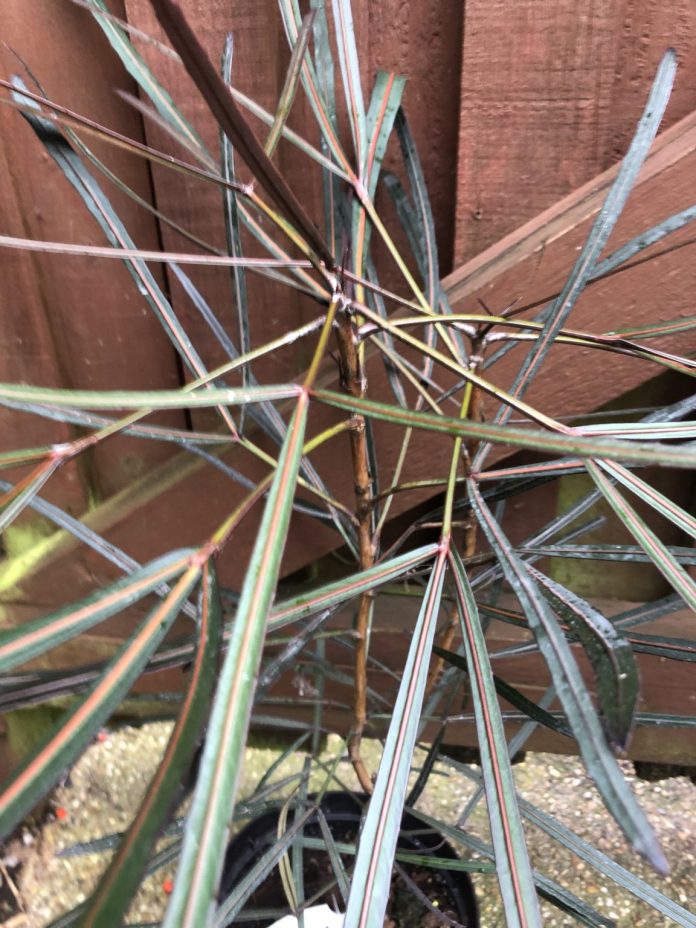
Pseudopanax crassifolius trifoliolatum, commonly known as the Three Fingered Pseudopanax, is an elegant and unique evergreen shrub native to New Zealand. With its distinctive three-fingered glossy leaves and compact growth habit, this plant makes an excellent addition to gardens, providing both ornamental value and structural interest. If you want to learn how to grow Pseudopanax crassifolius trifoliolatum successfully in your garden, it’s essential to understand its specific requirements and follow some key cultivation practices.
Selecting the Right Location
Choosing the right location is crucial for the successful growth of Pseudopanax crassifolius trifoliolatum. These shrubs thrive in well-draining soil with a slightly acidic to neutral pH. Ensure that the chosen spot receives partial to full sunlight, as these plants prefer bright conditions. Additionally, shelter the shrub from harsh winds, as Pseudopanax crassifolius trifoliolatum can be susceptible to damage from strong gusts.
Soil Preparation and Planting
Prepare the soil by incorporating organic matter such as compost to enhance drainage and fertility. Plant Pseudopanax crassifolius trifoliolatum during the early spring or late autumn, avoiding extreme weather conditions. Dig a hole that is twice the width of the root ball and at the same depth. Gently remove the plant from its container, loosen the roots, and place it in the center of the hole. Fill the hole with soil, pressing it down gently to remove air pockets.
Watering and Moisture Management
Establishing a consistent watering routine is crucial during the initial stages of growth. Keep the soil consistently moist but not waterlogged. Once established, Pseudopanax crassifolius trifoliolatum is relatively drought-tolerant, but regular watering during dry periods promotes optimal growth. Use a layer of mulch around the base to retain soil moisture, suppress weeds, and regulate temperature.
Fertilization
Feed your Pseudopanax crassifolius trifoliolatum with a balanced, slow-release fertilizer in the early spring. Avoid excessive nitrogen, as it can lead to excessive foliage growth at the expense of overall plant health. Follow the recommended dosage on the fertilizer package and evenly distribute it around the base of the shrub. Water thoroughly after application to ensure proper nutrient absorption.
Pruning and Maintenance
Regular pruning helps maintain the desired shape and size of Pseudopanax crassifolius trifoliolatum while promoting air circulation. Prune during late winter or early spring, removing any dead or damaged branches. Shape the shrub by selectively pruning to encourage a bushy and compact form. Keep an eye out for pests and diseases, addressing them promptly to ensure the plant’s overall health.
Winter Hardiness
One of the key considerations for successful cultivation of Pseudopanax crassifolius trifoliolatum is its winter hardiness. While this evergreen shrub is generally robust, providing some winter protection can be beneficial, particularly in regions with harsh winter conditions.
Mulching: Apply a thick layer of organic mulch, such as straw or bark, around the base of the plant before the onset of winter. Mulching helps insulate the soil, preventing temperature extremes and protecting the roots from frost.
Windbreaks: Consider planting Pseudopanax crassifolius trifoliolatum near windbreaks, such as fences or larger evergreen plants, to shield it from cold winter winds. Windbreaks provide a barrier that helps reduce the risk of desiccation, a common issue during winter months.
Anti-Desiccant Sprays: In colder climates, where winter winds can lead to dehydration of foliage, consider applying anti-desiccant sprays. These sprays create a protective coating on the leaves, reducing moisture loss and minimizing the risk of winter burn.
Temporary Covering: For particularly harsh winter conditions, consider providing temporary covering using burlap or frost blankets. This can be especially beneficial for young or newly planted Pseudopanax crassifolius trifoliolatum, offering additional protection until they are more established.
Monitoring Soil Moisture: Even in winter, it’s important to monitor soil moisture levels. While Pseudopanax crassifolius trifoliolatum is somewhat drought-tolerant, maintaining adequate moisture in the soil during dry winter periods can prevent stress on the plant.
By incorporating these winter hardiness measures, you can enhance the resilience of Pseudopanax crassifolius trifoliolatum during the colder months, ensuring its health and vibrancy when spring returns. Paying attention to these considerations will contribute to the overall success of cultivating this unique and attractive evergreen shrub in your garden.
Conclusion
Cultivating Pseudopanax crassifolius trifoliolatum can be a rewarding experience for gardeners seeking a unique and visually appealing addition to their landscapes. By providing the right growing conditions, regular maintenance, and attention to detail, you can enjoy the beauty of this New Zealand native in your own garden. Experiment with different planting arrangements and take the time to appreciate the distinct charm that Pseudopanax crassifolius trifoliolatum brings to your outdoor space.
Pseudopanax crassifolius ‘Trifoliolatum’ – Grow Guide
Common name: Trifoliate Lancewood
Family: Araliaceae
Type: Evergreen tree / large shrub
Hardiness: RHS H3–H4 – hardy in mild UK regions; frost protection needed in colder areas
Ultimate size: 4–6 m tall × 2–4 m wide
Overview
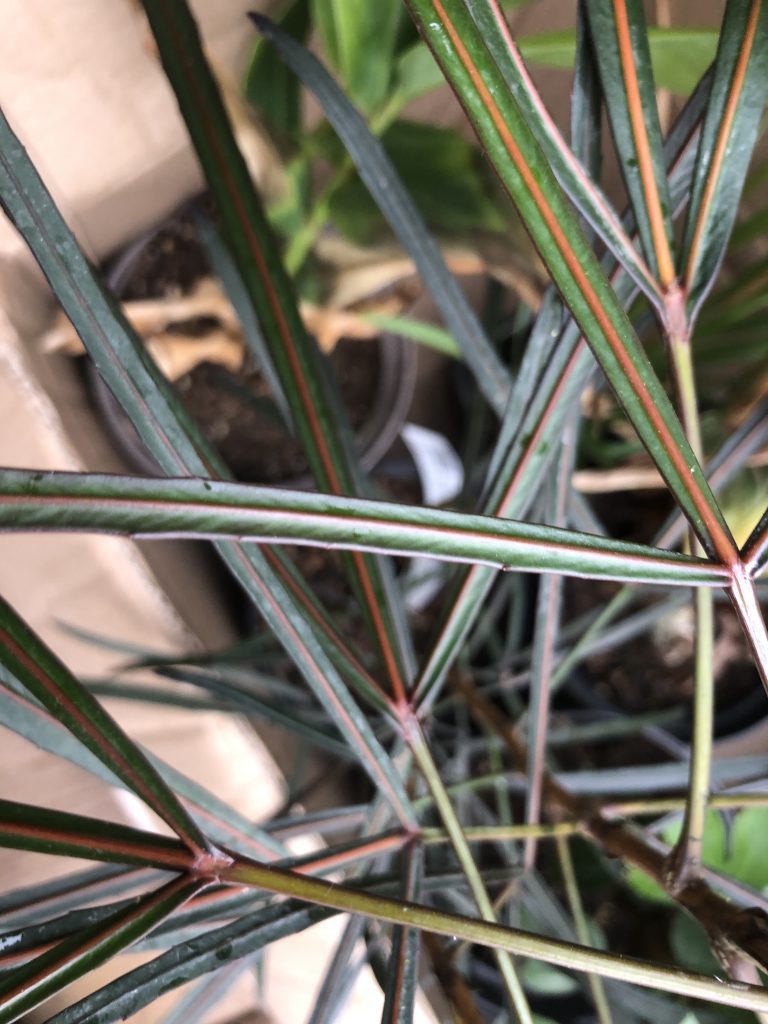
Pseudopanax crassifolius ‘Trifoliolatum’ is a slow-growing, evergreen tree native to New Zealand. Its distinctive trifoliate, stiff, sword-shaped leaves give it a dramatic, architectural form. Juvenile foliage is especially striking, making it perfect for tropical-style gardens, specimen planting, or sheltered patios in the UK.
Position
- Light: Full sun to partial shade
- Prefers a sheltered site away from strong winds
- Performs best in mild coastal or protected urban gardens
Soil
- Type: Fertile, well-draining soil
- Enrich planting hole with compost or well-rotted organic matter
- pH: Neutral to slightly acidic
Planting
- When: Spring or autumn, avoiding frost periods
- Plant deep enough to cover the root ball fully
- Space 2–4 m apart for specimen trees
- Mulch around base to retain moisture and suppress weeds
Watering
- Water regularly during establishment, especially in dry summers
- Once established, moderately drought-tolerant
- Avoid waterlogging
Feeding
- Apply a slow-release fertiliser in spring
- Optional liquid feed during summer for younger trees or container specimens
Growth & Habit
- Upright, single or multi-stemmed tree
- Trifoliate juvenile leaves gradually transition to smaller adult leaves with age
- Architectural and sculptural appearance in the garden
- Can be pruned lightly to maintain shape if required
Flowering
- Month: Summer (July–August in UK conditions)
- Flowers: Small, greenish-white clusters; not particularly ornamental
- Main appeal is foliage and structure
Maintenance
- Remove damaged or crossing branches
- Mulch around base to conserve moisture
- Container specimens benefit from light pruning and overwintering in sheltered locations in colder regions
- Protect young trees from severe frost with horticultural fleece
Propagation
- Semi-hardwood cuttings: Summer, root in warm, moist conditions
- Seed propagation possible but slow and less common in cultivation
Pests & Problems
- Generally pest- and disease-free in the UK
- Occasional aphid infestation on new growth
- Frost damage to young leaves in exposed sites
Garden Use
- Tropical- or subtropical-style borders
- Specimen tree for architectural interest
- Large containers in mild coastal gardens
- Works well with:
- Cordyline species
- Phormium
- Dicksonia antarctica
- Large-leaved tropical perennials
Quick Reference Table
| Feature | Details |
|---|---|
| Hardiness | RHS H3–H4 – frost tender in cold areas |
| Height | 4–6 m |
| Spread | 2–4 m |
| Flowering | Summer (July–August); small, greenish-white clusters |
| Position | Full sun to partial shade; sheltered |
| Soil | Fertile, well-draining; neutral to slightly acidic |
| Water | Regular when establishing; moderately drought-tolerant once mature |
| Feeding | Slow-release fertiliser in spring; optional summer liquid feed |
| Propagation | Semi-hardwood cuttings; seed (slow) |
| Maintenance | Mulch, prune lightly, protect young plants from frost |
| Best feature | Architectural trifoliate juvenile foliage |