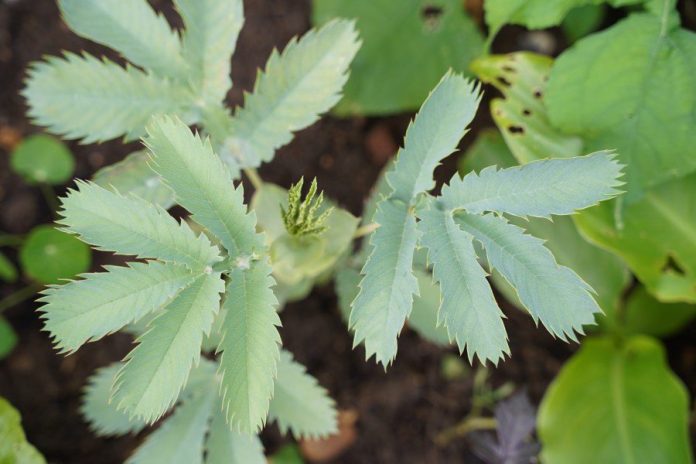
Melianthus major, commonly known as honey bush or giant honey flower, is an unusual and attractive perennial plant native to South Africa. It has unique blue-green foliage and produces interesting reddish-brown flowers. Here’s a guide on how to grow Melianthus major:
- Climate and Location:
- Melianthus major prefers a Mediterranean or subtropical climate but can be grown in temperate regions with protection from frost and cold temperatures.
- Choose a location with full to partial sun. It can tolerate some shade, but the foliage color may not be as vibrant.
- Soil:
- The plant thrives in well-draining soil that is rich in organic matter.
- Soil pH should be slightly acidic to neutral.
- Propagation:
- Melianthus major can be propagated from seeds or cuttings.
- If using seeds, sow them in pots or trays in spring. Keep them in a warm and bright location until they germinate. Once the seedlings are large enough to handle, transplant them into individual pots and later into their final location.
- Planting:
- Plant the young Melianthus major plants in the prepared garden bed or container once the risk of frost has passed in spring.
- Space the plants about 2 to 3 feet (60-90 cm) apart to allow for their eventual size.
- Watering:
- While the plant is establishing itself, provide regular water to keep the soil consistently moist but not waterlogged.
- Once established, Melianthus major is somewhat drought-tolerant and can withstand periods of dryness.
- Mulching:
- Apply a layer of organic mulch around the plant to retain moisture, suppress weeds, and protect the roots from extreme temperatures.
- Fertilizing:
- Melianthus major appreciates regular feeding with a balanced, slow-release fertilizer during the growing season (spring to summer).
- Pruning:
- Pruning is generally not necessary for Melianthus major, but you can remove any dead or damaged growth to maintain the plant’s appearance.
- If the plant becomes too large for the available space, you can cut back the entire plant in late winter or early spring to promote fresh growth.
- Protection from Frost:
- In regions where frost occurs, consider providing winter protection by mulching heavily around the base of the plant or covering it with a frost cloth during cold spells.
- Pests and Diseases:
- Melianthus major is relatively pest and disease resistant but can occasionally be affected by aphids or snails. Keep an eye out for any issues and address them promptly.
With proper care and attention, Melianthus major can become a stunning focal point in your garden, adding an exotic touch with its unique foliage and flowers.
Here’s a full, detailed grow guide for Melianthus major (commonly known as Giant Honey Flower), perfect for temperate and UK gardens:
Melianthus major – Grow Guide
Melianthus major is a striking evergreen or semi-evergreen perennial native to South Africa, prized for its dramatic, deeply divided foliage and architectural flower spikes. It adds a tropical flair to borders and patios and is attractive to pollinators, especially bees.
Botanical Information
- Botanical Name: Melianthus major
- Family: Francoaceae
- Common Name: Giant Honey Flower, Honey Bush
- Plant Type: Evergreen or semi-evergreen perennial, tender in colder regions
Growth Habit
- Height: 1.5–2.5 m
- Spread: 1–2 m
- Form: Upright, bushy perennial with large, fern-like pinnate leaves
- Foliage: Large, aromatic, deeply divided green leaves with a strong scent when crushed
- Flowers: Dark red to maroon bottlebrush-like flowers on erect spikes, appearing in summer; rich in nectar
Soil Requirements
- Type: Well-drained soils; tolerates loam, sandy, or enriched clay soils
- Moisture: Prefers moist but not waterlogged soil
- pH: Neutral to slightly acidic (pH 6.0–7.0)
- Fertilization: Feed in spring with balanced or high-potash fertilizer to promote flowering and foliage growth
Position and Sunlight
- Sun: Full sun to partial shade
- Shade: Partial shade tolerated but reduces flowering
- Shelter: Protect from cold winds; leaves can be damaged in harsh conditions
Hardiness
- Hardiness: Tender in colder climates (USDA zones 9–11); frost-sensitive
- UK Care: Hardy in mild coastal or sheltered areas; requires winter protection further north
- Winter Protection:
- Apply thick mulch around roots
- Grow in large containers and move under shelter/frost-free conditions in winter
- Protect leaves from frost damage with horticultural fleece
Flowering
- Months: June to September
- Flower Type: Bottlebrush-like spikes, dark red/maroon, rich in nectar
- Pollinators: Highly attractive to bees, butterflies, and hummingbirds
- Flower Duration: Long-lasting flowers; nectar continues to attract pollinators throughout summer
Propagation
- Seed: Can be grown from seed, though slow; seedlings take 1–2 years to flower
- Cuttings: Semi-hardwood cuttings in summer root well
- Division: Rarely used due to large root system
Cultivation Tips
- Spacing: Allow at least 1.5–2 m between plants to accommodate leaf spread
- Pruning: Cut back old flower spikes after flowering to encourage new growth
- Deadheading: Optional; removes spent flowers and tidies appearance
- Companion Plants: Works well with tropical-looking plants, cordylines, phormiums, gunnera, and other moisture-loving perennials
- Pests/Diseases: Generally pest-free; watch for slugs and snails in spring
Garden Uses
- Borders: Makes a dramatic focal point in large mixed borders
- Containers: Thrives in large pots or planters, especially if winter-protected
- Patios: Architectural foliage adds tropical flair
- Pollinator Gardens: Nectar-rich flowers attract bees and butterflies
Safety Note
- All parts of Melianthus major are toxic if ingested. Use caution around children and pets.
Summary
Melianthus major is a bold, tropical-style perennial with architectural foliage and nectar-rich flower spikes. It thrives in full sun to partial shade, in fertile, well-drained soils, and is ideal for UK coastal gardens, sheltered borders, or containers. While tender to frost, with winter protection it can provide long-lasting summer interest, architectural structure, and pollinator-friendly flowers year after year.