
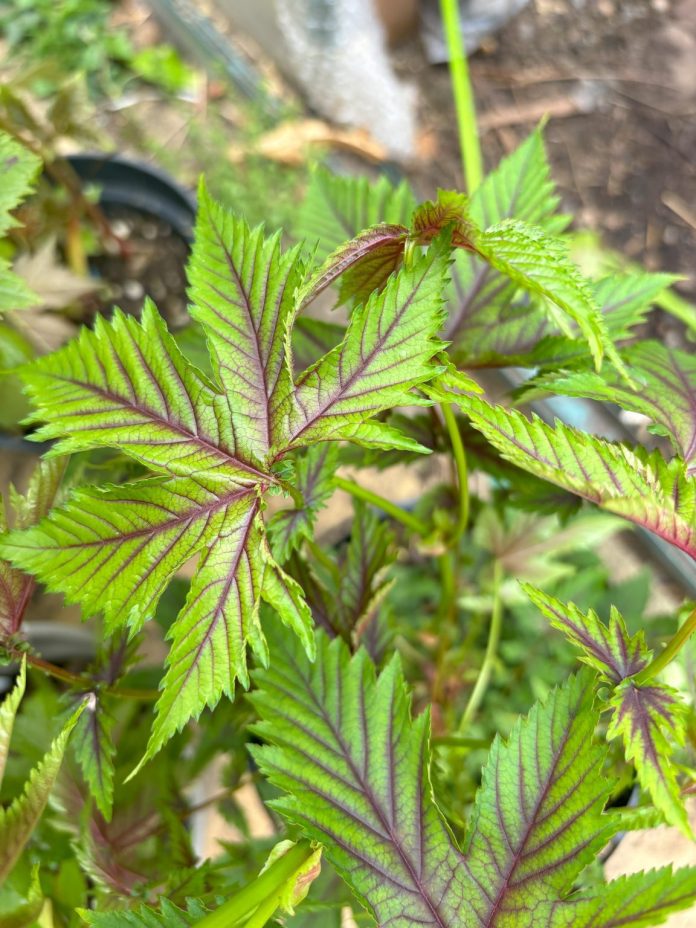
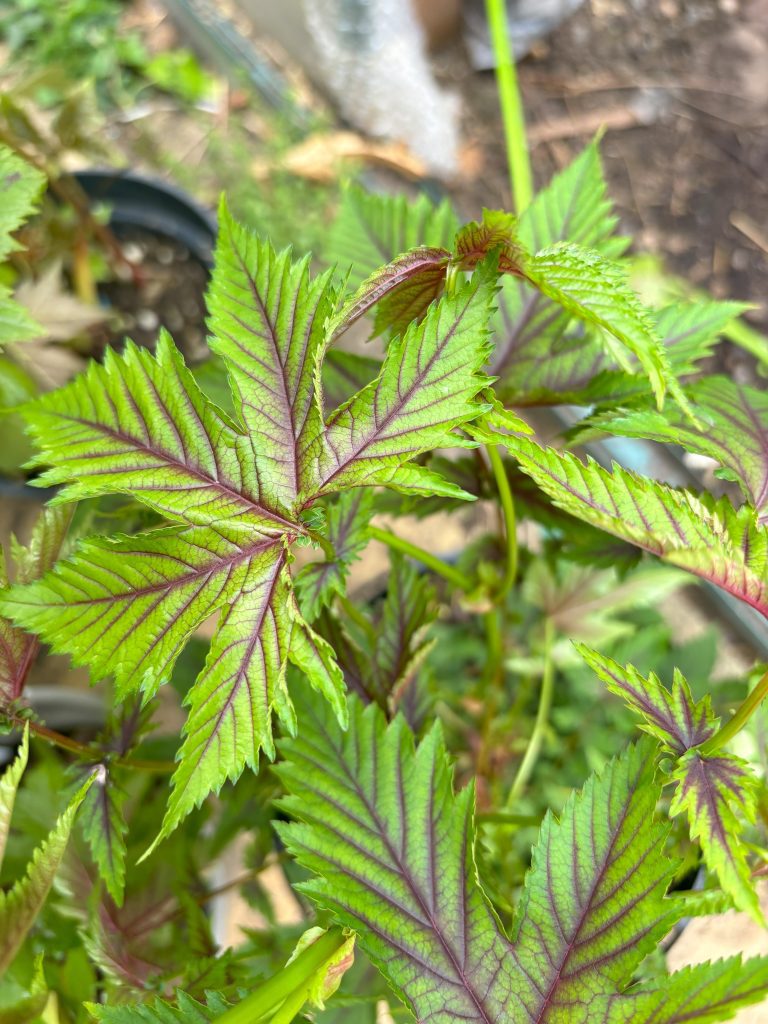
Filipendula ‘Red Umbrellas’ is a striking perennial that adds a splash of vibrant color and texture to any garden. Known for its red-tinted stems, lush foliage, and clusters of creamy-white flowers tinged with pink, this plant can become a standout feature in your garden landscape. Here’s a detailed guide on how to grow Filipendula ‘Red Umbrellas’ in the UK.
Understanding Filipendula ‘Red Umbrellas’
Filipendula ‘Red Umbrellas’ is part of the Rosaceae family and is prized for its decorative appeal. It typically blooms from early summer to late summer, offering a long-lasting display of flowers. This plant can reach heights of 60-90 cm (24-36 inches) and spreads about 45-60 cm (18-24 inches) wide.
Choosing the Right Location
To thrive, Filipendula ‘Red Umbrellas’ requires the following conditions:
Sunlight: It prefers full sun to partial shade. In the UK, a spot that gets morning sun and some afternoon shade can be ideal, especially in hotter regions.
Soil: This plant favors moist, well-drained soil. Rich, humus-laden soil is ideal, as it retains moisture without becoming waterlogged. Avoid planting in dry, sandy, or overly heavy clay soils.
Planting Instructions
Timing: The best time to plant Filipendula ‘Red Umbrellas’ is in spring or autumn, giving the plant time to establish roots before the extreme temperatures of summer or winter.
Preparation: Prepare the planting area by loosening the soil to a depth of about 30 cm (12 inches). Mix in plenty of organic matter such as compost or well-rotted manure to improve soil fertility and drainage.
Planting: Dig a hole twice the size of the plant’s root ball. Place the plant in the hole, ensuring the top of the root ball is level with the surrounding soil. Backfill with soil, firming it gently around the base. Water thoroughly after planting.
Care and Maintenance
Watering: Keep the soil consistently moist, especially during dry spells. However, avoid waterlogging as it can cause root rot. Mulching around the base with organic material can help retain soil moisture and suppress weeds.
Feeding: In spring, apply a balanced, slow-release fertilizer to support healthy growth. Additional feeding during the growing season can be beneficial, particularly if the soil is not naturally rich in nutrients.
Pruning: Deadhead spent flowers to encourage further blooming and maintain a tidy appearance. In late autumn, after the flowering period, cut back the stems to ground level.
Pest and Disease Management: Filipendula ‘Red Umbrellas’ is generally hardy and resistant to most pests and diseases. However, keep an eye out for common issues such as aphids and powdery mildew. Treat infestations with appropriate organic or chemical controls.
Overwintering
In the UK, Filipendula ‘Red Umbrellas’ is hardy and can withstand winter conditions. However, in regions with severe frost, adding a layer of mulch around the base can protect the roots from freezing temperatures.
Propagation
Division: The most effective way to propagate Filipendula ‘Red Umbrellas’ is by division. This is best done in spring or autumn. Lift the plant carefully, divide the root ball into sections, and replant immediately.
Seed: While growing from seed is possible, it’s a slower process. Sow seeds in a cold frame in autumn or spring, keeping the soil moist until germination occurs.
Design Ideas
Filipendula ‘Red Umbrellas’ works well in mixed borders, cottage gardens, and near water features. Its striking flowers and foliage contrast beautifully with plants like hostas, ferns, and astilbes. Additionally, it can add height and structure to your garden beds.
Conclusion
Growing Filipendula ‘Red Umbrellas’ in the UK can be a rewarding experience, adding beauty and diversity to your garden. With the right care and conditions, this perennial will flourish, providing stunning displays year after year. Whether you are an experienced gardener or a novice, following these guidelines will help ensure your Filipendula ‘Red Umbrellas’ thrives and becomes a highlight of your garden landscape.
Filipendula ‘Red Umbrellas’ – Grow Guide
Common name: Meadow Sweet ‘Red Umbrellas’
Family: Rosaceae
Type: Hardy perennial
Hardiness: RHS H5 – fully hardy in the UK
Ultimate size: 1–1.2 m tall × 0.6–0.9 m wide
Overview
Filipendula ‘Red Umbrellas’ is a vigorous, clump-forming perennial prized for its dramatic, dark red flower clusters held above lush green foliage from early to midsummer. Its tall, airy flower stems add architectural height to herbaceous borders and cottage-style gardens, while the flowers are attractive to bees and butterflies.
Position
- Light: Full sun to partial shade
- Performs best in sheltered conditions to prevent flopping
- Avoid exposed sites prone to strong winds if possible
Soil
- Type: Moist, fertile, well-draining soil
- Enrich with compost or well-rotted manure at planting
- pH: Neutral to slightly acidic
Planting
- When: Spring or autumn
- Space plants 0.6–1 m apart for clump formation
- Ideal for mixed herbaceous borders, pond edges, or naturalistic planting
Watering
- Keep soil evenly moist, particularly during dry spells
- Avoid prolonged waterlogging, which can cause crown rot
Feeding
- Apply a balanced liquid fertiliser in spring
- Top dress with compost annually to maintain soil fertility
Growth & Habit
- Upright, clump-forming perennial
- Glossy green, serrated leaves
- Flower stems rise above foliage, forming large, flat-topped umbels of deep red flowers
- Moderate growth rate; dies back naturally in winter
Flowering
- Months: June–July (UK)
- Flowers: Dark red, flat-topped clusters on sturdy stems
- Attracts pollinators and adds summer colour
Maintenance
- Remove spent flowers to encourage tidiness
- Cut back foliage after it yellows in late autumn
- Divide clumps every 3–4 years to maintain vigour and flowering
Propagation
- Division: Main method; divide in early spring or autumn
- Seed: Possible but less reliable; may take 2–3 years to flower
Pests & Problems
- Generally pest-free
- Occasional aphids or slugs on young shoots
- Crown rot if soil is poorly drained
Garden Use
- Herbaceous borders or mixed perennial beds
- Pond or water-edge planting
- Excellent with:
- Astilbe
- Filipendula alba ‘Plena’
- Hemerocallis (daylilies)
- Ornamental grasses
Quick Reference Table
| Feature | Details |
|---|---|
| Hardiness | RHS H5 – fully hardy |
| Height | 1–1.2 m |
| Spread | 0.6–0.9 m |
| Flowering | June–July; dark red umbels |
| Position | Full sun to partial shade; sheltered |
| Soil | Moist, fertile, well-draining; neutral to slightly acidic |
| Water | Keep evenly moist; avoid waterlogging |
| Feeding | Balanced liquid feed in spring; compost top dress annually |
| Propagation | Division (main); seed (slow) |
| Maintenance | Remove spent flowers; cut back after foliage dies; divide every 3–4 years |
| Best feature | Dark red umbels on upright stems; pollinator-friendly |