
The Newspaper For Gardeners

Looking Out for Hedgehogs...

Hedgehogs are some of the most endearing creatures in our gardens, but winter...

Prune Apple Trees

Pruning is an essential task for maintaining healthy, productive apple trees. Proper pruning...

Dividing Snowdrops: A Step-by-Step...

Snowdrops (Galanthus spp.) are a cherished sight in late winter, heralding the arrival...

Force Rhubarb: A Gardener’s...

Forcing rhubarb is a traditional gardening technique that produces tender, sweet stalks, perfect...
Wednesday, January 7, 2026
Acid soilHow to grow Echeveria

How to grow Echeveria

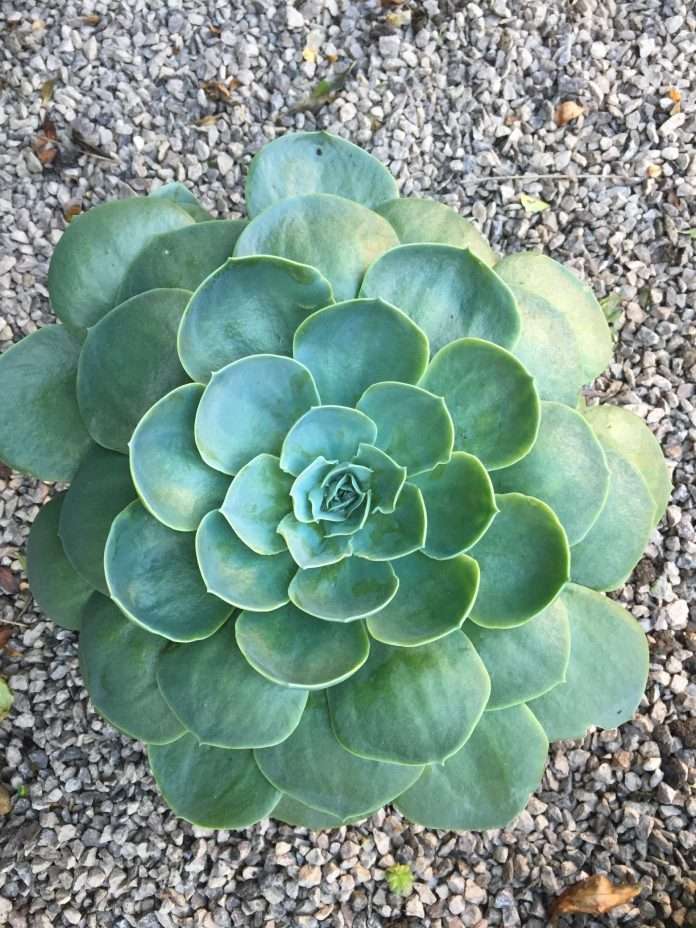
If you are looking to add a display of succulents to your garden then you are surely going to be looking at growing echeverias. Their fleshy leaves, arranged in a stunning rosette, are just as eye catching as a solitary display as they are when put together with other plants.

Echeveria is a genus of about 150 species. Echeverias originate in Mexico and Central and South America. They are drought tolerant plants and have waxy or hairy leaves to help prevent water loss. They are mainly grown as a houseplant but will do well outside during the summer months.

They are easy to grow, being tolerant of poor soils and lack of water, making them the ideal plant for the more forgetful amongst us.

Plant in a position that has some shade during the brightest part of the day. Full sun all day can burn the leaves.

Plant in a very well drained soil with ph6. If keeping in a pot then add in some sand and perlite

Easy to grow during the summer outside. In the winter they must be taken into a frost free environment and can be treated as a house plant. They can tolerate lows of 2C to 5C but cannot withstand a hard frost. They can take quite high temperatures but do not like high humidity.

Echeverias can go for long periods without water but make sure that the soil has dried out before watering as they are susceptible to root rot.

They are easy to propagate too! You can either wait for an off shoot to appear and then gently separate from the mother plant in to it’s own pot, or just wiggle off a leaf, let it dry and then push in to compost.

Wilted or shrivelled leaves can be caused by both over watering and under watering. In general, leaves closing up is caused by too much sun, leaves curling down is due to being too dry.


spot_img

lOOKING FOR MORE WORK?

The free and easy way to get more customers. Just join Find Local Gardeners.

Farfugium japonicum, commonly called Leopard Plant, is a slow-growing, evergreen perennial valued for its bold, glossy, rounded leaves and bright yellow daisy-like flowers in...
Paulownia tomentosa, sometimes called the Foxglove tree, is grown in tropical style gardens for it’s enormous leaves that can get to 30cm long. It’s common...
Introduction to Colocasia ‘Blue Hawaii’ Colocasia ‘Blue Hawaii’ is a striking cultivar of the taro plant, renowned for its stunning blue-green leaves with dark veins...
Tigridia pavonia might be a short lived flower but when it opens, wow, what a flower! Tigridia pavonia flowers in July and August for...
If you are looking for a tall dazzler then Tithonia rotundifolia might be for you. This orange whopper grows to a height of about...

How to Grow Farfugium japonicum (Leopard Plant)

Farfugium japonicum, commonly called Leopard Plant, is a slow-growing, evergreen perennial valued for its bold, glossy, rounded leaves and bright yellow daisy-like flowers in autumn. Ideal for shady borders, woodland gardens, and damp areas, it adds year-round architectural foliage...

How to grow Paulownia

Paulownia tomentosa, sometimes called the Foxglove tree, is grown in tropical style gardens for it’s enormous leaves that can get to 30cm long. It’s common name of Foxglove tree comes from the flowers which bare a slight resemblance to the...

How to Overwinter Caladiums

Caladiums are tender tropical perennials grown for their striking foliage. They cannot survive frost, so in temperate regions like the UK, their tubers must be lifted and stored over winter. 1. Wait for Natural Dormancy Caladiums naturally die back in autumn...

Growing Colocasia ‘Blue Hawaii’: Adding Exotic Elegance to UK Gardens

Introduction to Colocasia ‘Blue Hawaii’ Colocasia ‘Blue Hawaii’ is a striking cultivar of the taro plant, renowned for its stunning blue-green leaves with dark veins and a purple underside. This tropical plant, with its bold foliage, is perfect for creating...

Continue reading

How to Grow Farfugium japonicum (Leopard Plant)

Farfugium japonicum, commonly called Leopard Plant, is a slow-growing, evergreen perennial valued for its bold, glossy, rounded leaves and bright yellow daisy-like flowers in autumn. Ideal for shady borders, woodland gardens, and damp areas, it adds year-round architectural foliage...

How to grow Paulownia

Paulownia tomentosa, sometimes called the Foxglove tree, is grown in tropical style gardens for it’s enormous leaves that can get to 30cm long. It’s common name of Foxglove tree comes from the flowers which bare a slight resemblance to the...

Growing Colocasia ‘Blue Hawaii’: Adding Exotic Elegance to UK Gardens

Introduction to Colocasia ‘Blue Hawaii’ Colocasia ‘Blue Hawaii’ is a striking cultivar of the taro plant, renowned for its stunning blue-green leaves with dark veins and a purple underside. This tropical plant, with its bold foliage, is perfect for creating...

SUBSCRIBE TO OUR YOUTUBE CHANNEL

Plant advice for unusual species plus updates from our tropical garden

SUBSCRIBE