How to Grow Dicentra spectabilis ‘White Gold’
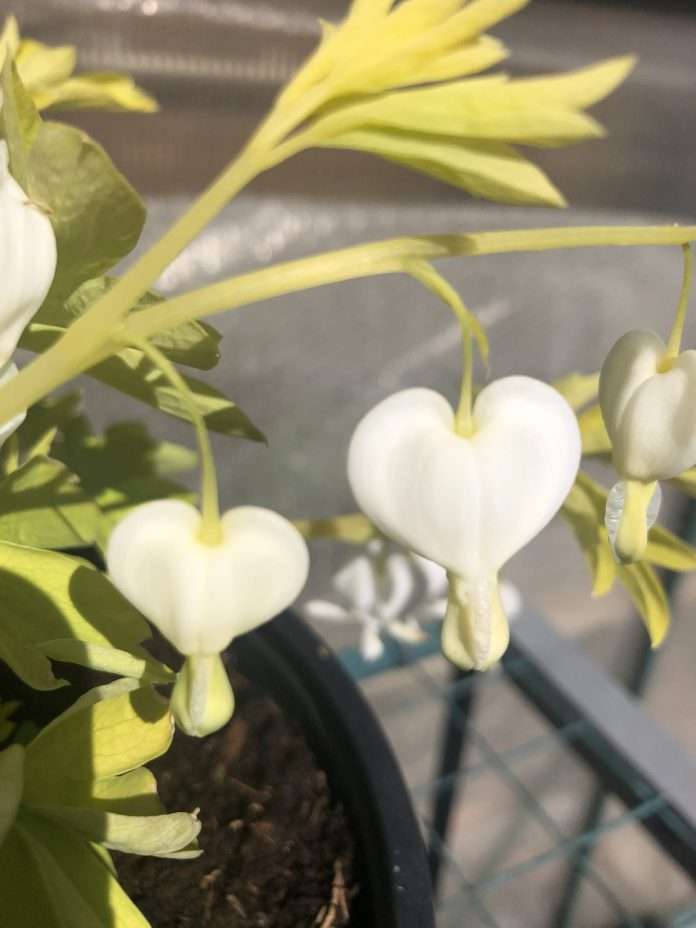
Dicentra spectabilis ‘White Gold’ is a striking variation of the old-fashioned bleeding heart, grown as much for its golden-yellow foliage as for its elegant pure white, heart-shaped flowers. It brings light and softness to shaded borders in spring and early summer and is particularly valuable in woodland-style planting.
Where to Plant Dicentra ‘White Gold’
This is a plant that prefers cool roots and gentle light.
Light
- Best in partial shade
- Morning sun with afternoon shade is ideal
- Too much sun can scorch the foliage, especially the golden leaves
- Full shade is tolerated, but flowering may be reduced
Position
- Sheltered borders
- Woodland gardens
- Shaded edges beneath deciduous trees
- North- or east-facing aspects work well
Avoid hot, exposed sites.
Soil Requirements
Dicentra ‘White Gold’ thrives in:
- Moist, well-drained soil
- Soil enriched with organic matter such as compost or leaf mould
It dislikes:
- Waterlogged ground
- Very dry or poor soils
Soil pH:
Not particularly fussy – neutral to slightly acidic soils are ideal.
Watering
- Keep soil consistently moist, especially during spring growth
- Water well in dry spells
- Once dormant in summer, watering can be reduced
Dry soil during active growth can shorten the flowering period.
Feeding
- Mulch annually in early spring with garden compost or well-rotted manure
- A light feed with a balanced fertiliser in spring encourages strong growth
- Avoid overfeeding, which can result in soft growth
Growth Habit & Dormancy
This is important to understand with Dicentra.
- Grows strongly in spring
- Flowers from April to June
- Foliage may die back completely by mid to late summer
This is normal and not a sign of failure. Mark the plant’s position so it isn’t disturbed later in the season.
Maintenance
- Do not cut back green foliage early – allow it to die down naturally
- Remove spent flower stems to tidy the plant if desired
- Clear away dead foliage once fully dormant
- Mulch in autumn or spring to protect the crown and improve soil
Spacing
- Allow 45–60cm between plants
- Forms a tidy clump rather than spreading aggressively
Propagation
- Best divided in early spring as growth begins
- Lift carefully and divide large clumps
- Replant immediately and water well
Companion Plants
‘White Gold’ looks particularly good with:
- Ferns
- Hostas
- Brunnera
- Epimediums
- Pulmonaria
The golden foliage contrasts beautifully with dark green leaves and shaded planting schemes.
Common Problems
- Scorched leaves: Too much sun or dry soil
- Poor flowering: Too much shade or lack of nutrients
- Disappearing plant: Normal summer dormancy
Generally trouble-free and slug-resistant.
In Summary
To grow Dicentra spectabilis ‘White Gold’ successfully:
- Plant in partial shade
- Use moist, fertile, well-drained soil
- Expect spring interest followed by summer dormancy
- Mulch annually and avoid dry conditions
Handled correctly, this is a refined, long-lived perennial that brings spring elegance and light to shaded gardens.
A Note on the Name
You may see this plant listed under two different botanical names. Dicentra spectabilis has been reclassified and is now correctly known as Lamprocapnos spectabilis. This change reflects updated botanical understanding rather than any change in the plant itself. Many nurseries and gardeners still use the older name, so both are commonly seen. Whichever name appears on the label, it refers to the same well-loved bleeding heart, including the cultivar ‘White Gold’.