
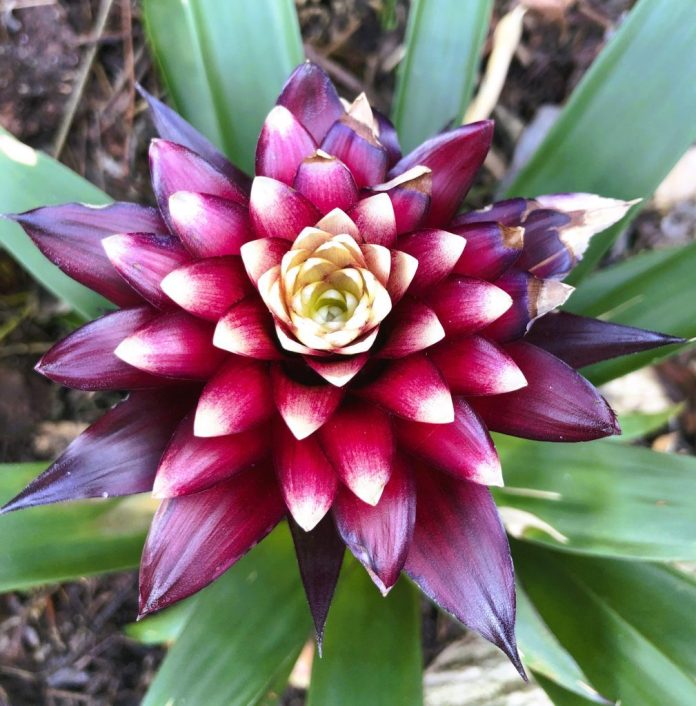
Bromeliad Guzmania Lingulata, commonly known as the scarlet star, is a popular houseplant known for its vibrant bracts and rosette of glossy green leaves. The ‘Francesca’ variety is particularly striking, with its bright red or orange bracts and delicate flowers. Growing this beautiful plant can add a touch of the tropics to your home. Here’s a comprehensive guide on how to successfully cultivate and care for Bromeliad Guzmania Lingulata ‘Francesca’.
1. Choosing the Right Environment
Light Requirements:
Guzmania Lingulata ‘Francesca’ thrives in bright, indirect light. Direct sunlight can scorch the leaves, so it’s best to place the plant near a window where it receives filtered light. If natural light is limited, fluorescent lighting can be used as an alternative.
Temperature and Humidity:
These tropical plants prefer temperatures between 60-80°F (16-27°C). They also require high humidity, ideally between 50-60%. To maintain humidity, you can use a humidifier, place the pot on a tray filled with water and pebbles, or mist the plant regularly.
2. Potting and Soil
Soil Mix:
Bromeliads need well-draining soil. A mix specifically designed for bromeliads or orchids is ideal. You can also create your own by combining equal parts of pine bark, perlite, and peat moss.
Potting:
Choose a pot with good drainage. Bromeliads don’t need large pots because their root systems are relatively small. Repotting should only be done when the plant has outgrown its current container.
3. Watering
Watering Schedule:
Bromeliads have a unique watering requirement. They absorb moisture through their central cup or tank, formed by the rosette of leaves. Fill the cup with water and refresh it regularly to prevent stagnation and bacterial growth. Additionally, keep the soil lightly moist, but not waterlogged. Water the soil sparingly, allowing it to dry out slightly between waterings.
Water Quality:
Use distilled or rainwater if possible, as Guzmania Lingulata can be sensitive to the chemicals found in tap water. If you must use tap water, let it sit out for 24 hours to allow chlorine to evaporate.
4. Feeding
Fertilization:
During the growing season (spring and summer), feed your Guzmania Lingulata ‘Francesca’ with a diluted, balanced liquid fertilizer every 4-6 weeks. Use a fertilizer formulated for bromeliads or houseplants. Pour the fertilizer into the central cup and lightly around the soil.
5. Maintenance
Pruning:
Remove any dead or yellowing leaves to keep the plant healthy. Once the flower bract begins to fade, you can cut it off to redirect energy back to the plant.
Pest Control:
Guzmania Lingulata ‘Francesca’ is generally pest-resistant, but it can occasionally attract mealybugs, scale, or aphids. Treat infestations with insecticidal soap or neem oil, ensuring you reach the nooks and crannies of the plant.
6. Propagation
Offsets (Pups):
Bromeliads reproduce by producing offsets, or pups, around the base of the mother plant. Once the pups are about one-third the size of the mother plant, they can be separated and potted individually. Use a sharp, sterilized knife to cut the pup away, ensuring it has some roots attached. Plant it in a well-draining mix and care for it as you would a mature bromeliad.
Conclusion
Growing Bromeliad Guzmania Lingulata ‘Francesca’ can be a rewarding experience, adding a splash of color and tropical charm to your home. By providing the right light, humidity, and care, you can enjoy this stunning plant for
years to come. Not only does it enhance the aesthetic appeal of your space, but it also brings a touch of nature indoors. Here’s a summary to keep handy:
Quick Care Summary
- Light: Bright, indirect light
- Temperature: 60-80°F (16-27°C)
- Humidity: 50-60%
- Soil: Well-draining mix (pine bark, perlite, peat moss)
- Watering: Fill the central cup, keep soil lightly moist
- Fertilizing: Diluted liquid fertilizer every 4-6 weeks in growing season
- Maintenance: Remove dead leaves, treat pests if needed
- Propagation: Separate and pot offsets (pups) when mature
With these tips, your Guzmania Lingulata ‘Francesca’ should flourish, offering vibrant blooms and lush foliage to brighten any room.
Guzmania lingulata ‘Francesca’ – Grow Guide
Common name: Bromeliad, Guzmania
Family: Bromeliaceae
Plant type: Tropical evergreen epiphyte / container plant
Hardiness: RHS H1 – frost-tender; grown indoors or in heated conservatories in the UK
Height & spread: 30–50 cm tall × 20–30 cm wide
Overview
Guzmania lingulata ‘Francesca’ is a tropical bromeliad prized for its brightly coloured, long-lasting bracts and architectural rosette of glossy green leaves. The central flower spike is often vivid red or orange, creating a striking feature indoors. It is perfect for windowsills, glasshouses, or shaded patios in the UK.
Position
- Bright, indirect light; avoid direct sunlight, which may scorch leaves
- Performs well in humid environments such as conservatories or bathrooms
- Can tolerate moderate shade but flowering may be reduced
Soil
- Epiphytic or free-draining bromeliad mix
- Can be grown mounted on bark or in a mix of orchid bark, perlite, and peat
- Do not plant in heavy, water-retentive soils
Planting & Containers
- Use a pot with excellent drainage
- Plant the crown just above the soil line; do not bury the central rosette
- Grouping multiple plants can increase humidity around them
Watering
- Keep the central cup (rosette) filled with water and refresh regularly
- Water the soil lightly; avoid waterlogging
- Mist leaves to maintain humidity
- Reduce watering slightly in cooler months
Feeding
- Use a diluted liquid fertiliser (1/4 strength) monthly during active growth
- Bromeliad-specific fertiliser or balanced orchid feed works well
- Avoid fertiliser in the central cup, which may damage the plant
Growth & Habit
- Forms a tight rosette of glossy green leaves
- Produces a central, long-lasting flower spike with brightly coloured bracts
- Flowering is typically once per plant, but offsets (“pups”) will form at the base
Flowering
- Months: Spring–summer (varies by indoor conditions)
- Flowers: Small tubular flowers hidden inside bright red/orange bracts
- Long-lasting blooms, sometimes 2–3 months
Maintenance
- Remove dead leaves and spent flowers
- After flowering, leave the plant to produce offsets
- Once pups reach ~1/3 the size of the parent, they can be separated and potted individually
Pests & Problems
- Occasionally mealybugs, scale, or spider mites
- Overwatering can cause rot in the crown or roots
- Low humidity can lead to brown leaf tips
Propagation
- Offsets (pups): Remove when 1/3–1/2 the size of the parent
- Seed: Rarely used; slow and requires tropical conditions
Garden & Display Use
- Indoor or conservatory plant for bright colour and architectural foliage
- Table displays, terrariums, or tropical-style arrangements
- Companion plants:
- Other bromeliads (Tillandsia, Neoregelia)
- Orchids
- Ferns
- Calathea or Maranta for a tropical feel
Quick Reference Table
| Feature | Details |
|---|---|
| Hardiness | RHS H1 – frost-tender |
| Height | 30–50 cm |
| Spread | 20–30 cm |
| Flowering | Spring–summer (indoor conditions) |
| Position | Bright, indirect light |
| Soil | Free-draining bromeliad mix |
| Water | Keep central cup filled; light watering of soil; mist for humidity |
| Feeding | Diluted liquid fertiliser monthly during growth |
| Propagation | Offsets (pups) |
| Maintenance | Remove dead leaves; separate pups after flowering |
| Best feature | Vivid, long-lasting bracts and tropical foliage |