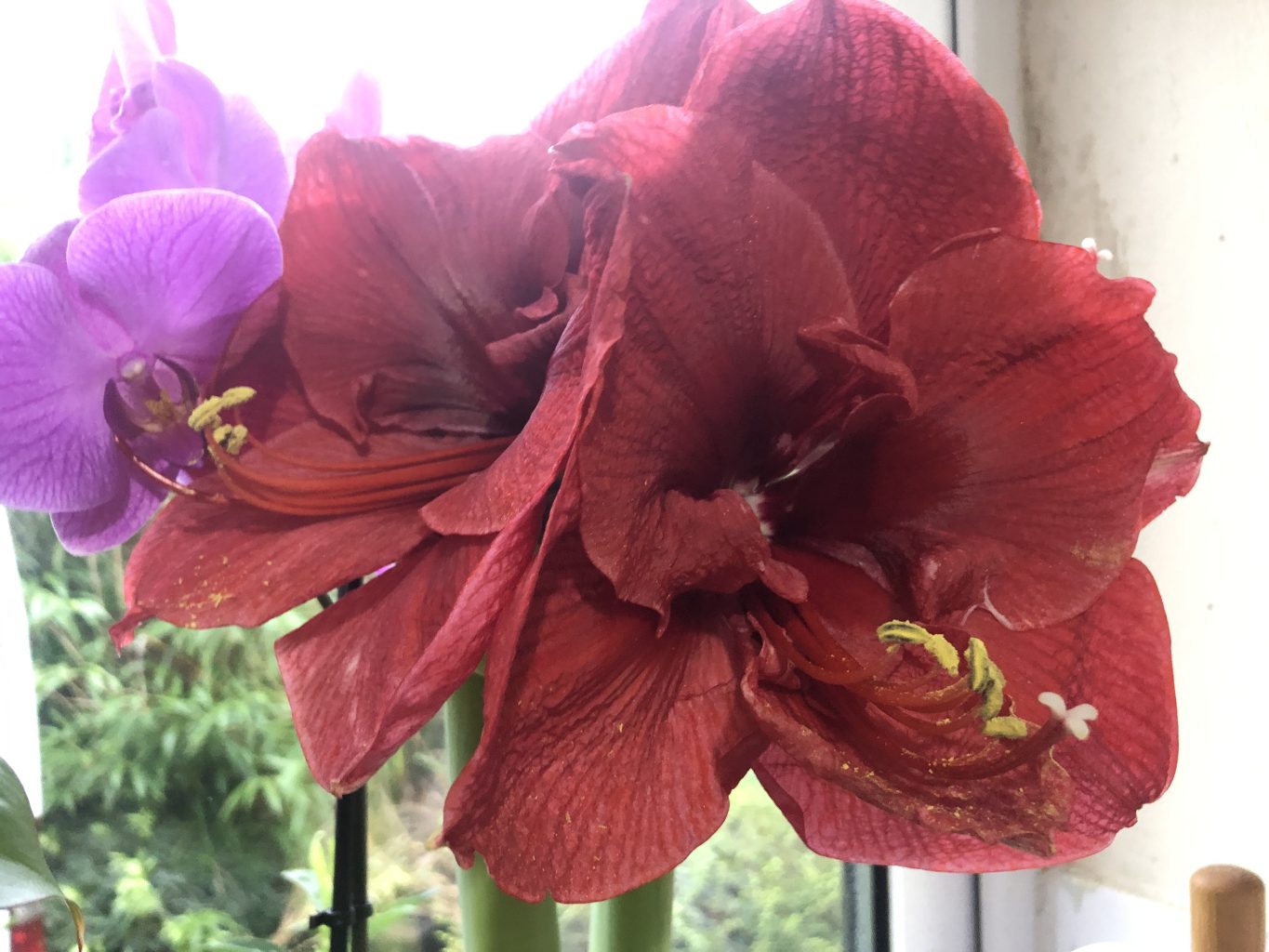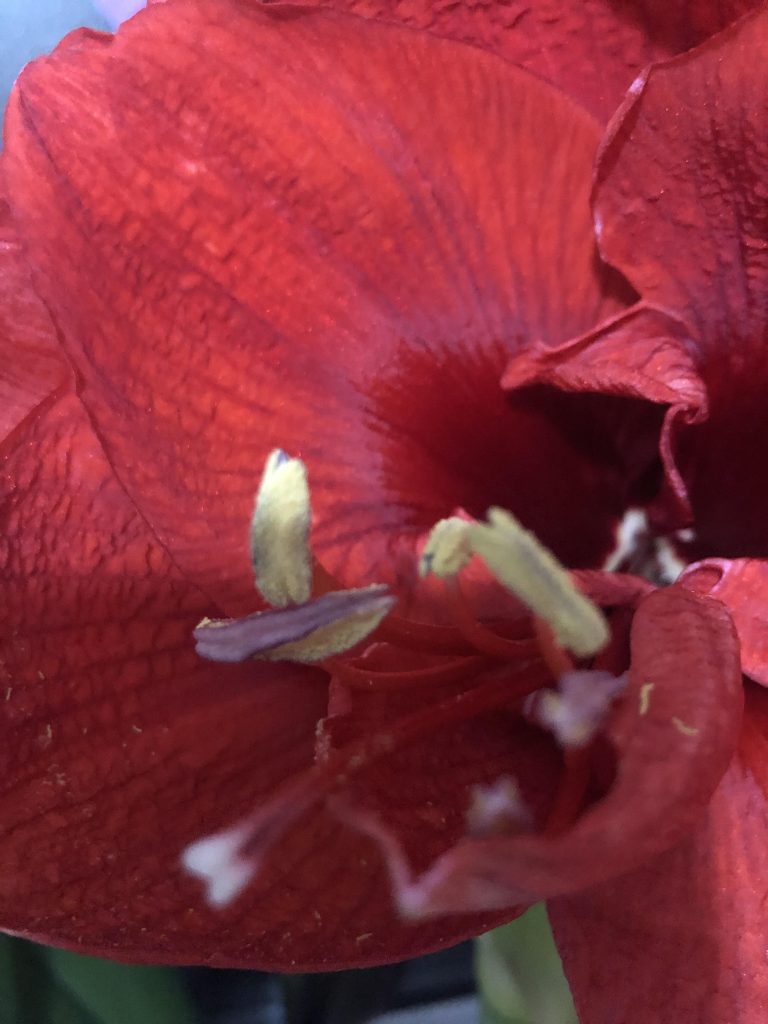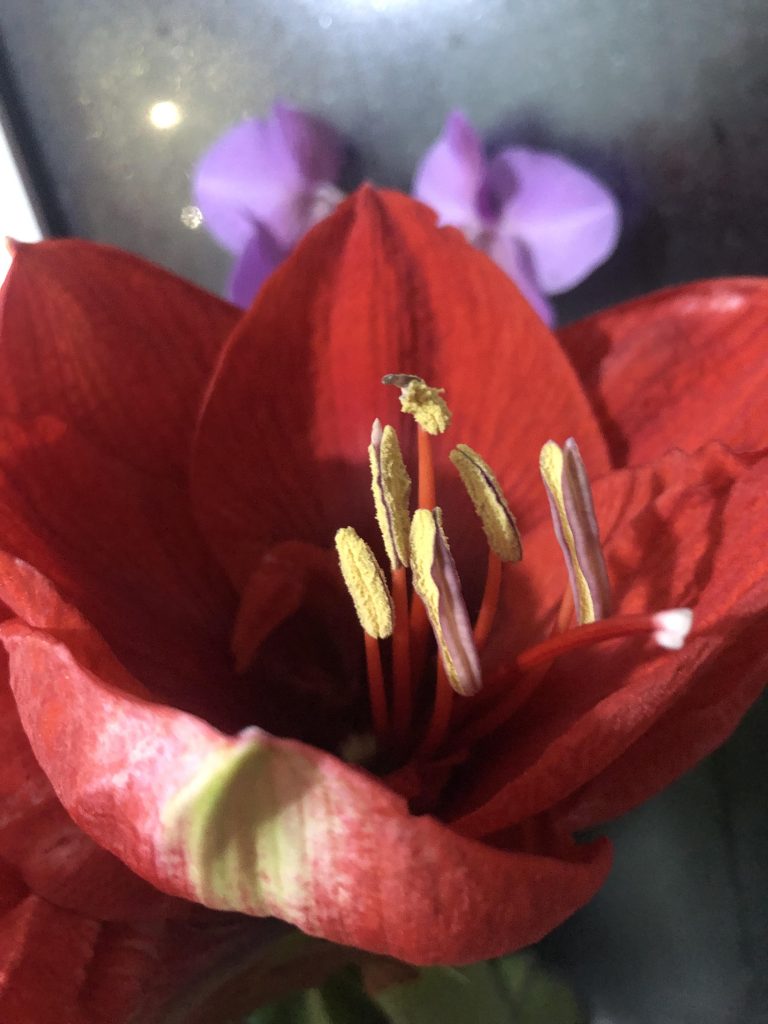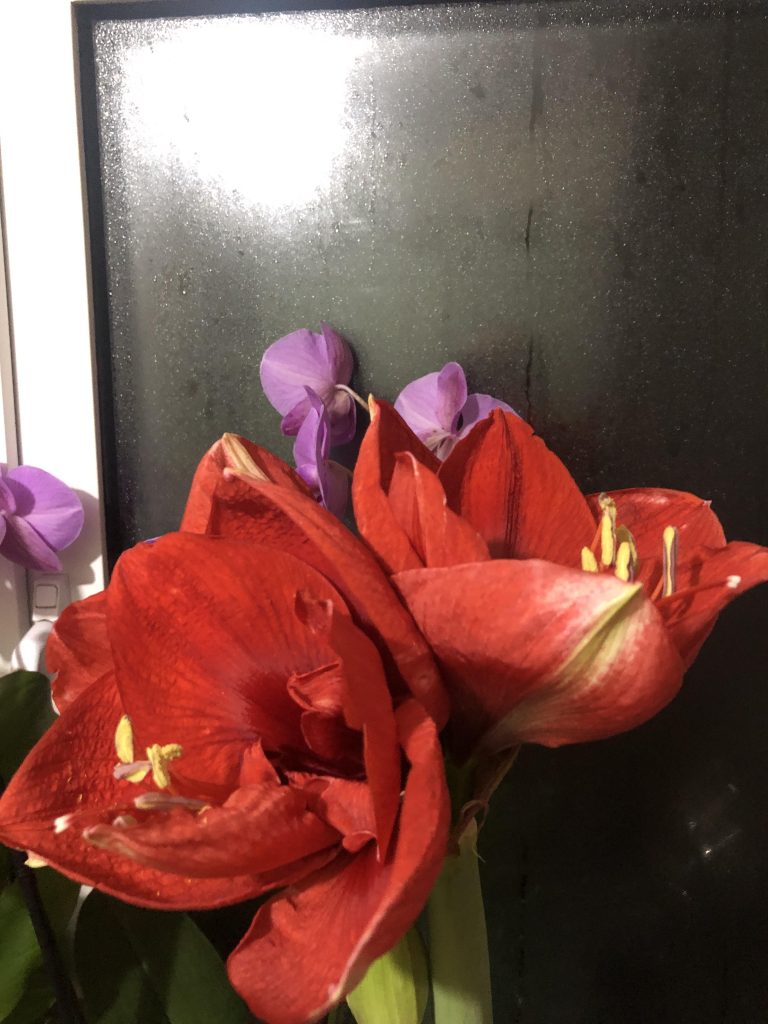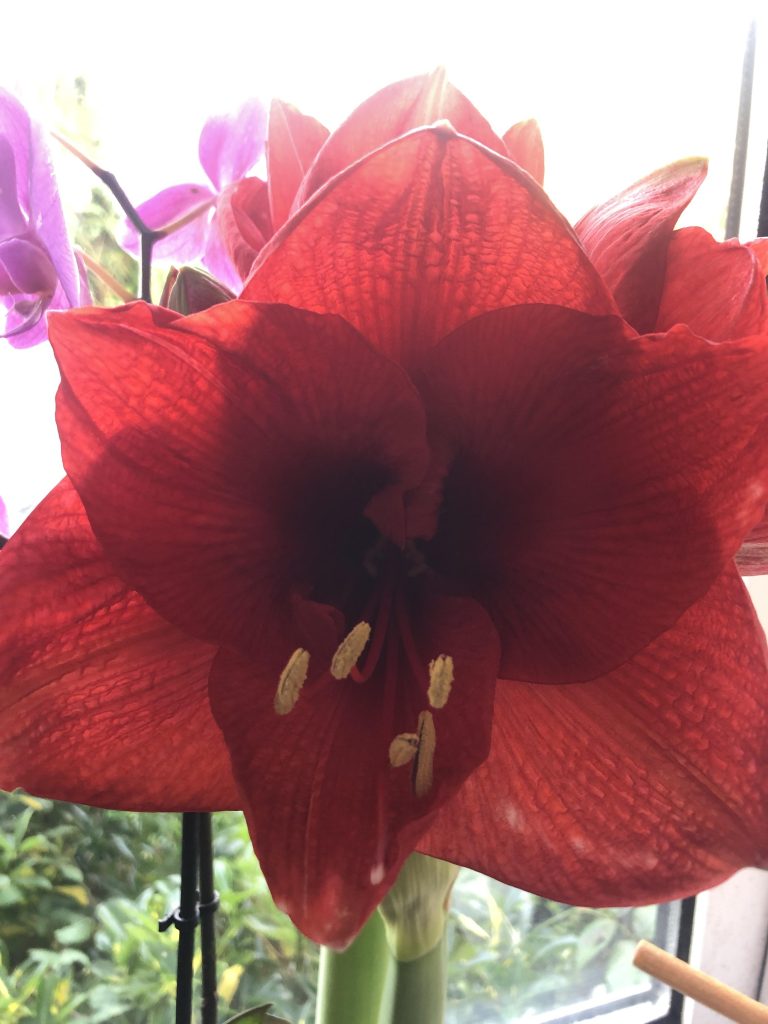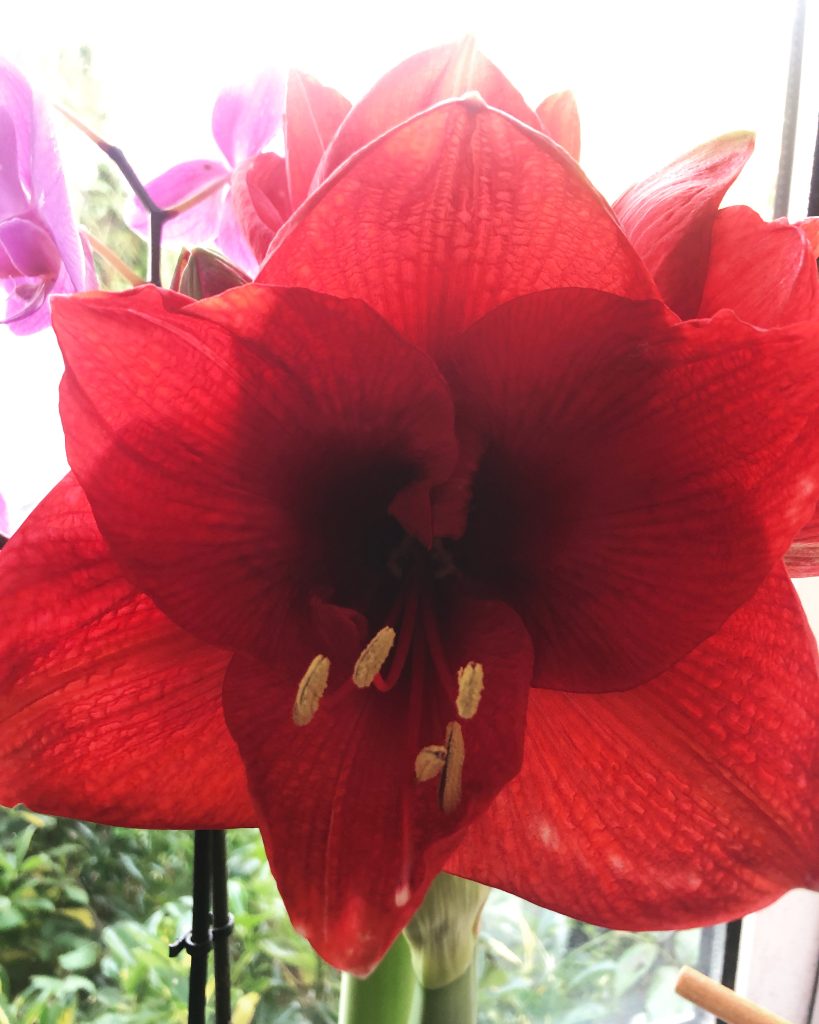
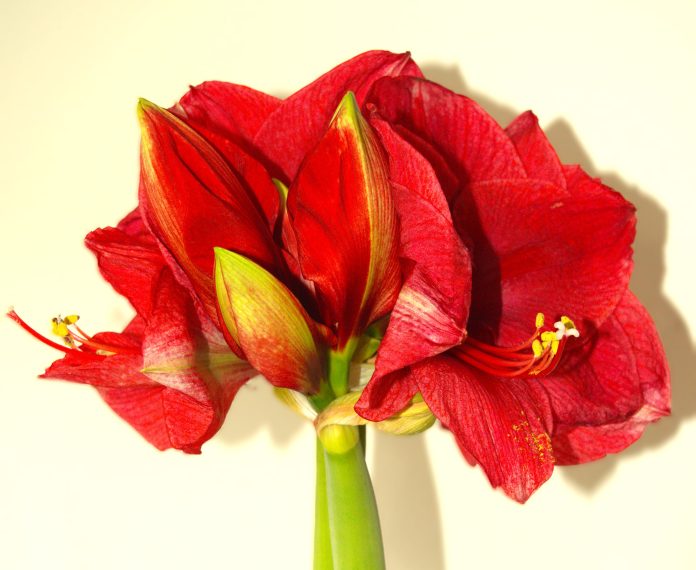
Amaryllis (Hippeastrum) is a stunning plant that’s perfect for bringing vibrant color to your home during the grey winter months. In the UK, where winters can be chilly and indoor gardening thrives, amaryllis can be a rewarding and straightforward plant to grow. Follow this month-by-month guide to ensure your amaryllis bulbs bloom beautifully and thrive year after year.
January: Blooming Season
- Care Tips:
- Most amaryllis bulbs planted in late autumn will be in full bloom now.
- Place the plant in a bright, sunny spot, away from direct heat sources like radiators.
- Rotate the pot every few days to ensure the stem grows straight.
- Water sparingly, keeping the soil slightly moist but not soggy.
- Troubleshooting:
- If the stems are floppy, use stakes to support the flowers.
- Remove any spent flowers promptly to encourage more energy into the bulb.
February: End of Flowering
- Care Tips:
- Once the flowers fade, cut back the flower stalk about 2–3 cm above the bulb, but leave the foliage intact.
- Continue to water lightly and feed with a houseplant fertilizer every two weeks to nourish the bulb for next year’s growth.
- Keep the plant in bright, indirect light.
March to May: Leaf Growth
- Care Tips:
- During these months, the focus is on the leaves, which will provide energy to the bulb.
- Move the plant to a bright, sheltered location indoors or in a conservatory.
- Water regularly but ensure the soil isn’t waterlogged.
- Fertilize every two weeks to encourage strong leaf growth.
June: Transition Outdoors
- Care Tips:
- Once the risk of frost has passed, you can move your amaryllis outdoors. Choose a sheltered, sunny spot.
- Keep the soil consistently moist, but avoid waterlogging.
- Continue feeding every two weeks to build the bulb’s strength.
July to August: Preparing for Dormancy
- Care Tips:
- Stop feeding at the end of July to allow the plant to prepare for dormancy.
- Gradually reduce watering from mid-August to let the foliage die back naturally.
- Once the leaves turn yellow, cut them back to the top of the bulb.
September to October: Dormancy
- Care Tips:
- Store the bulb in a cool, dark, and dry place (about 10–15°C, such as a garage or cellar).
- Allow the bulb to rest for at least 8–10 weeks. Do not water during this time.
November: Replanting
- Care Tips:
- Bring the dormant bulb out of storage and inspect it for any signs of rot.
- Replant it in fresh, well-draining compost in a pot just slightly larger than the bulb.
- Leave the top third of the bulb exposed above the soil.
- Place the pot in a bright, warm spot and water sparingly until growth begins.
December: Growth Begins
- Care Tips:
- Once you see green shoots emerging, increase watering slightly.
- Move the pot to a sunny windowsill and keep the soil moist but not wet.
- If you time it right, your amaryllis will bloom just in time for Christmas, bringing festive cheer to your home.
General Tips for Success
- Ideal Conditions:
- Indoors: Place in a bright spot with temperatures around 18–21°C.
- Outdoors: Only move outdoors after the last frost and bring it back in before autumn chills set in.
- Soil: Use a peat-free, well-draining compost. Add grit or sand to improve drainage.
- Feeding: A balanced liquid houseplant fertilizer works well. Reduce feeding in summer and stop entirely during dormancy.
Why Grow Amaryllis in the UK?
Amaryllis thrives indoors, making it perfect for the UK’s unpredictable weather. With its large, showy flowers, it’s an ideal centerpiece during the winter months. Plus, with proper care, the bulbs can be re-bloomed year after year, offering a sustainable and rewarding gardening experience.
By following this month-by-month guide, you’ll ensure your amaryllis continues to bloom brilliantly and remains a highlight of your indoor gardening collection.