
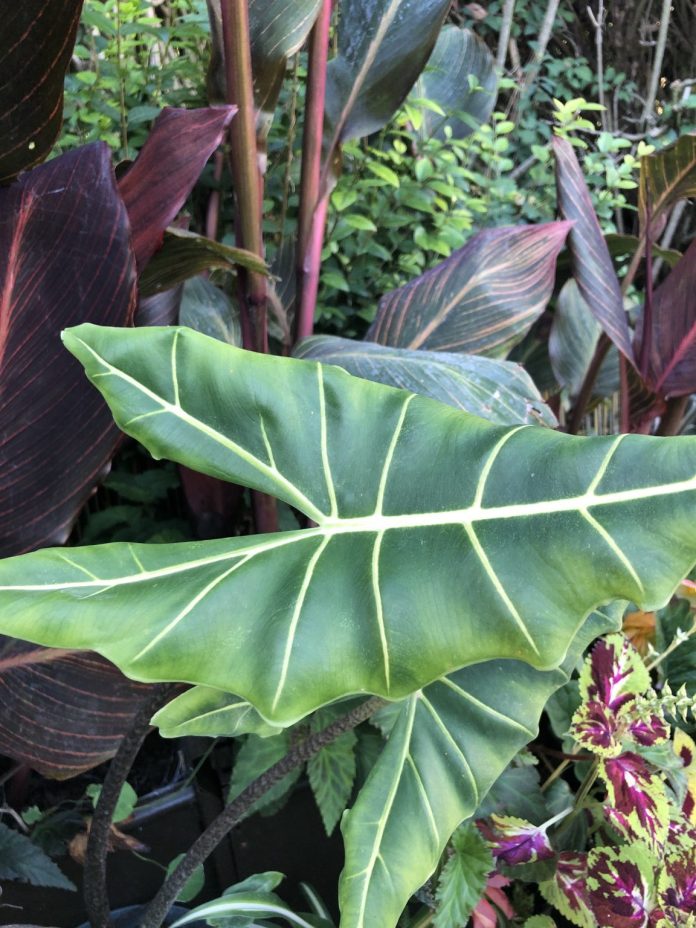
Alocasia Micholitziana “Frydek,” often referred to simply as Alocasia Frydek, is a striking houseplant known for its velvety, dark green leaves with pronounced white veins. This tropical beauty adds a touch of elegance to any indoor space. While it can be somewhat finicky, with the right care, it can thrive and become a centerpiece in your plant collection. Here’s a comprehensive guide how to grow Alocasia Micholitziana ‘Frydek’.
1. Understanding the Plant’s Needs
Alocasia Frydek originates from the tropical rainforests of Southeast Asia, which gives clues about its care requirements. It thrives in warm, humid environments with filtered light and consistent moisture.
2. Light Requirements
Alocasia Frydek prefers bright, indirect light. Direct sunlight can scorch its leaves, while too little light will cause the plant to become leggy and lose its vibrant coloration. An ideal spot is near an east-facing window, or filtered light from a south or west-facing window. If natural light is insufficient, consider using grow lights to supplement.
3. Soil and Potting
A well-draining soil mix is crucial to prevent root rot, a common issue with Alocasias. A mix of potting soil, perlite, and peat moss or coco coir works well. Ensure the pot has drainage holes to allow excess water to escape. Repotting every 1-2 years helps to refresh the soil and accommodate the growing root system.
4. Watering
Alocasia Frydek likes to be kept consistently moist but not waterlogged. Water thoroughly when the top inch of soil feels dry to the touch. During the growing season (spring and summer), you might need to water more frequently, whereas in the dormant period (fall and winter), reduce watering.
5. Humidity
High humidity is essential for Alocasia Frydek. Aim for at least 60% humidity. If your home’s air is dry, especially during winter, use a humidifier or place the plant on a humidity tray. Grouping plants together can also help to maintain a humid microenvironment.
6. Temperature
Keep the plant in a warm environment, ideally between 65-80°F (18-27°C). Avoid exposing it to temperatures below 60°F (15°C), as cold drafts can damage the foliage and stunt growth.
7. Fertilizing
Feed Alocasia Frydek with a balanced, water-soluble fertilizer every 4-6 weeks during the growing season. Dilute the fertilizer to half the recommended strength to avoid over-fertilization, which can lead to salt buildup and damage the plant.
8. Pruning and Maintenance
Regularly remove any yellow or dead leaves to keep the plant healthy and to direct its energy towards new growth. Pruning can also help maintain its shape and size.
9. Pest Management
Alocasia Frydek can be susceptible to pests like spider mites, aphids, and mealybugs. Inspect the plant regularly and treat infestations promptly. A gentle spray of water, insecticidal soap, or neem oil can help manage pests.
10. Propagation
Propagation of Alocasia Frydek is typically done through division. During repotting, carefully separate offsets (baby plants) from the mother plant, ensuring each division has a portion of the root system. Plant the divisions in fresh soil mix and keep them in a warm, humid environment to encourage new growth.
11. Common Issues
- Yellowing Leaves: This can be due to overwatering, poor drainage, or lack of light. Adjust your watering schedule and ensure proper drainage.
- Browning Leaf Edges: Often a sign of low humidity or underwatering. Increase humidity and check your watering routine.
- Drooping Leaves: Can indicate a range of issues from insufficient light to water stress. Assess the plant’s environment and care routine to identify and address the problem.
By understanding and meeting the specific needs of Alocasia Frydek, you can enjoy the beauty and elegance of this stunning houseplant. With attentive care, your Alocasia Frydek will flourish, adding a tropical touch to your indoor garden.
Alocasia micholitziana ‘Frydek’ – Grow Guide
Common name: Frydek Alocasia
Family: Araceae
Plant type: Tropical perennial, grown as a houseplant or in warm, sheltered UK gardens
Hardiness: RHS H1 – frost-tender; must be grown indoors or in a heated conservatory in the UK
Height & spread: 60–100 cm tall × 40–60 cm wide
Overview
Alocasia micholitziana ‘Frydek’ is a striking tropical plant prized for its velvety, dark green leaves with prominent white veins. It is a clump-forming rhizomatous plant, producing dramatic foliage that works beautifully as a feature houseplant, tropical border accent, or conservatory specimen.
Position
- Bright, indirect light; avoids direct sun, which can scorch the leaves
- Can tolerate partial shade, but growth slows
- Indoors, a south- or east-facing window is ideal
- Outdoors in the UK, it must be brought inside or into a heated greenhouse during winter
Soil
- Well-draining, humus-rich compost
- Slightly acidic to neutral (pH 5.5–7.0)
- Mix with perlite or orchid bark to improve drainage and aeration
Planting & Containers
- Plant rhizomes just below the soil surface
- Container-grown plants need ample drainage holes
- Repot every 1–2 years in spring to refresh soil and allow rhizome growth
Watering
- Keep soil consistently moist but not waterlogged
- Reduce watering in winter when plant is semi-dormant
- Avoid letting water sit in the crown or leaf axils to prevent rot
Feeding
- Apply a balanced liquid fertiliser every 2–3 weeks during active growth (spring–summer)
- Reduce feeding in autumn and winter
- Avoid over-fertilising, which can burn the roots
Growth & Habit
- Produces arrow-shaped, velvety leaves with striking white veins
- Clump-forming rhizomatous habit
- Upright stems can reach 60–100 cm, depending on conditions
- Prefers high humidity to maintain leaf health and prevent browning edges
Flowering
- Months: Rare in cultivation
- Flowers: Small, spadix-type flowers typical of aroids; plant grown for foliage rather than flowers
Maintenance
- Remove yellowing or damaged leaves to maintain appearance
- Keep leaves clean and dust-free to improve photosynthesis
- Increase humidity with misting, pebble trays, or a humidifier
- Can be divided during repotting to propagate or rejuvenate
Pests & Problems
- Susceptible to aphids, spider mites, mealybugs, and thrips
- Leaf browning can occur from low humidity, overwatering, or direct sun
- Rhizome rot can occur in poorly drained soil or overwatering
Propagation
- Division of rhizomes in spring is easiest and most reliable
- Leaf cuttings rarely succeed
- Seed propagation is possible but uncommon and slow
Garden & Display Use
- Indoor houseplant with tropical appeal
- Conservatory or heated greenhouse specimen
- Planted with Calathea, Alocasia ‘Polly’, or other tropical foliage plants for a lush tropical display
- Can be used in large containers to decorate patios in summer (then brought inside for winter)
Quick Reference Table
| Feature | Details |
|---|---|
| Hardiness | RHS H1 – frost-tender; indoor or heated conservatory in UK |
| Height | 60–100 cm |
| Spread | 40–60 cm |
| Flowering | Rare; grown for foliage |
| Position | Bright, indirect light; partial shade tolerated |
| Soil | Well-draining, humus-rich; pH 5.5–7.0 |
| Water | Keep soil moist; reduce in winter; avoid waterlogging |
| Feeding | Balanced liquid fertiliser every 2–3 weeks in growth season |
| Propagation | Division of rhizomes |
| Maintenance | Remove damaged leaves; maintain humidity; repot every 1–2 years |
| Best feature | Velvety dark green leaves with striking white veins; dramatic tropical foliage |