
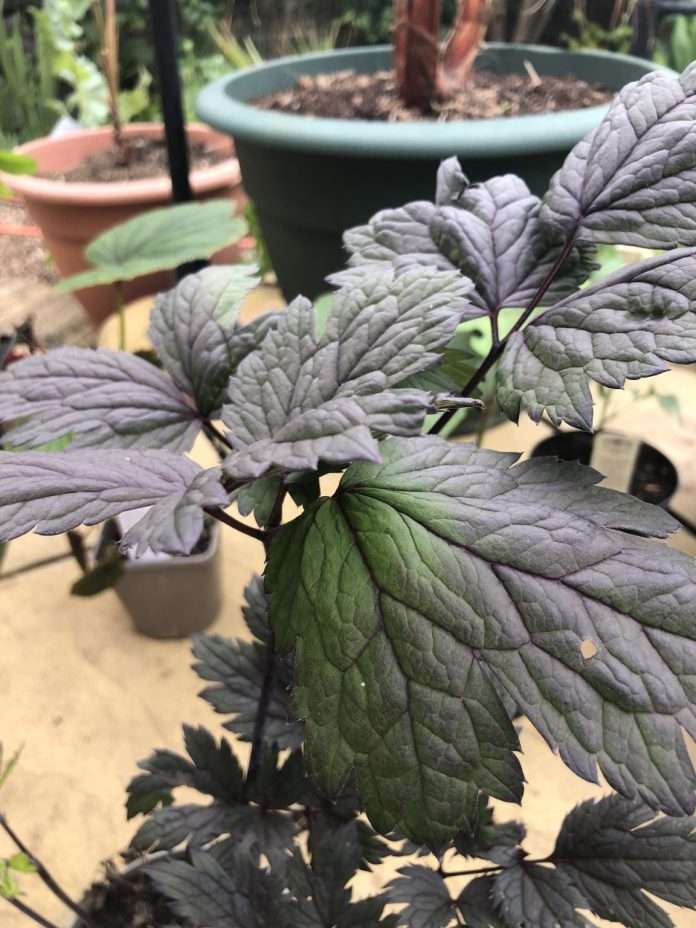
Actaea simplex ‘Pink Spike’, commonly known as Pink Spike bugbane or Pink Spike cohosh, is a beautiful perennial plant that produces tall spikes of pink flowers in late summer and early fall. Here are some guidelines to help you grow Actaea simplex ‘Pink Spike’:
- Location and Soil:
- Choose a planting location that receives partial shade to full shade. Pink Spike bugbane prefers dappled sunlight or filtered shade.
- The soil should be moist, humus-rich, and well-draining. Amend heavy clay or sandy soil with organic matter like compost to improve its quality.
- Planting:
- Plant Actaea simplex ‘Pink Spike’ in spring or early fall, preferably when the weather is cooler.
- Dig a hole slightly larger than the plant’s root ball. Ensure that the crown of the plant sits level with or slightly above the soil surface.
- Space multiple plants about 2 to 3 feet apart to allow for their mature size.
- Watering:
- Keep the soil consistently moist but not waterlogged. Pink Spike bugbane prefers slightly moist conditions.
- During dry periods, water deeply and regularly to ensure the plant’s roots have access to adequate moisture.
- Mulching and Fertilizing:
- Apply a layer of organic mulch, such as shredded bark or compost, around the base of the plant. Mulching helps retain soil moisture and suppresses weed growth.
- Feed the plant with a balanced, slow-release fertilizer in early spring or use a top dressing of compost annually to provide nutrients.
- Pruning:
- Cut back the dead foliage in late fall or early spring, before new growth emerges.
- Remove spent flower stalks to encourage the plant’s energy towards root and foliage growth.
- Prune any damaged or diseased stems as needed throughout the growing season.
- Division:
- Every few years, Actaea simplex ‘Pink Spike’ may benefit from division to maintain vigor and prevent overcrowding.
- Dig up the clump carefully and divide it into smaller sections using a sharp garden knife or spade.
- Replant the divided sections immediately, ensuring each division has several healthy shoots and roots.
- Pest and Disease Control:
- Actaea simplex ‘Pink Spike’ is generally resistant to pests and diseases. However, it can occasionally be susceptible to slug or snail damage.
- Use organic slug control methods or protective barriers, if necessary.
Here’s a clear, UK-focused grow guide for Actaea simplex ‘Pink Spike’, written in a practical, traditional gardener’s style that should also fit neatly into your Local Gardener content.
Actaea simplex ‘Pink Spike’ – Grow Guide
Common name: Bugbane, Baneberry
Botanical name: Actaea simplex ‘Pink Spike’
Family: Ranunculaceae
Plant type: Herbaceous perennial
Overview
Actaea simplex ‘Pink Spike’ is a dramatic, late-season perennial grown for its dark, almost black foliage and tall spires of soft pink flowers. It’s an excellent plant for adding height, contrast, and movement in shady borders, particularly woodland-style or tropical-influenced gardens.
Position
- Light: Partial shade to full shade
- Best colour develops in dappled shade or light morning sun
- Shelter: Choose a sheltered position away from strong winds, as flower spikes can reach 1.5–2m
Soil
- Type: Moist but free-draining, humus-rich soil
- pH: Neutral to slightly acidic
- Preparation:
- Incorporate plenty of organic matter (well-rotted compost or leaf mould) before planting
- Avoid dry, sandy soils
Consistent moisture is key – Actaea dislikes drying out.
Planting
- Best time: Spring or early autumn
- Spacing: Allow 60–90cm between plants
- Depth: Plant at the same depth as in the pot
- Aftercare: Water well after planting and mulch generously
Watering
- Keep soil evenly moist, especially in dry spells
- Mulch annually to retain moisture and keep roots cool
- Once established, plants are tolerant of short dry periods but perform best with regular watering
Feeding
- Apply a balanced organic fertiliser in spring
- Top up mulch annually with compost or leaf mould
- Avoid high-nitrogen feeds, which encourage soft growth
Flowering
- Season: Late summer to early autumn
- Flowers: Tall spires of pale pink, lightly scented flowers
- Excellent for extending interest when many shade plants are fading
Maintenance
- Deadhead spent flower spikes if desired, though they can be left for structure
- Cut back foliage after the first frosts or in early spring
- Mulch in autumn to protect crowns and improve soil structure
Hardiness
- Fully hardy in the UK (H5)
- Withstands winter cold well once established
Pests & Problems
- Generally trouble-free
- Slugs may damage young growth in spring
- Leaf scorch can occur if grown in too much sun or dry soil
Propagation
- Division: Best done in spring, though plants dislike disturbance
- Seed: Possible, but slow and unreliable for cultivars
Garden Use
- Woodland borders
- Shady mixed borders
- Tropical or exotic planting schemes
- Pairs well with:
- Ferns
- Hosta
- Rodgersia
- Ligularia
- Dark-leaved Heuchera
Designer’s Tip
Use Actaea simplex ‘Pink Spike’ at the back of a shady border where its height and dark foliage can create a strong vertical accent. The flower spikes catch low autumn light beautifully and bring late-season drama to otherwise quiet areas of the garden.