
Garlic mustard (Alliaria petiolata) is a highly invasive plant species that poses a significant threat to native ecosystems across North America and parts of Europe. Despite its unassuming appearance, this plant’s ability to outcompete native vegetation and alter soil composition makes it a formidable adversary for conservationists and gardeners alike. In this article, we will explore the history of garlic mustard, its impact on ecosystems, and effective methods for eradicating this invasive species.
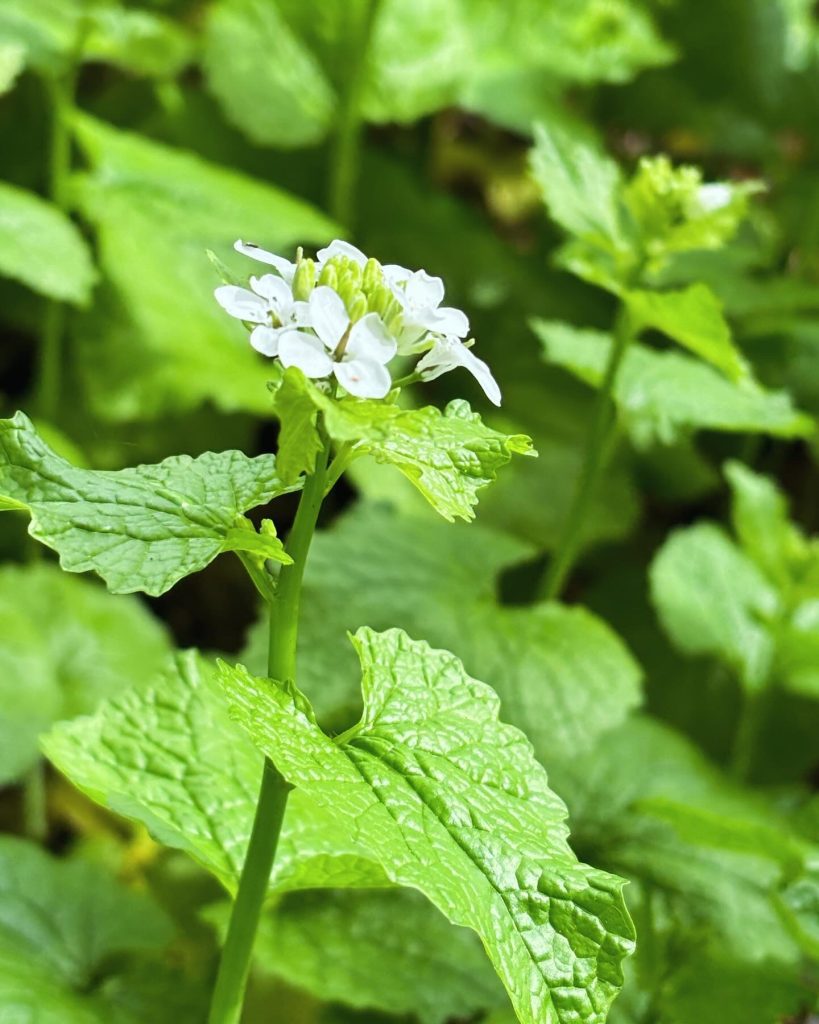
History:
Originally native to Europe and parts of Asia, garlic mustard was introduced to North America by European settlers in the early 19th century. Initially brought over for its culinary and medicinal properties, garlic mustard quickly established itself in its new environment, aided by its prolific seed production and lack of natural predators. Over the years, its range has expanded rapidly, colonizing woodlands, fields, and disturbed habitats across the continent.
The success of garlic mustard as an invasive species can be attributed to several factors. It produces allelopathic chemicals that inhibit the growth of other plants, allowing it to outcompete native species for resources. Additionally, garlic mustard is a biennial plant, meaning it completes its life cycle over two years, allowing it to produce a large number of seeds before dying off. These seeds are dispersed by animals, water, and human activity, further facilitating its spread.
Impact on Ecosystems:
The spread of garlic mustard has had profound ecological consequences in invaded areas. By forming dense monocultures, garlic mustard displaces native plants and reduces biodiversity, which can disrupt food webs and alter ecosystem dynamics. Furthermore, garlic mustard alters soil chemistry by releasing compounds that inhibit the growth of mycorrhizal fungi, essential symbiotic organisms that facilitate nutrient uptake in many plant species.
In addition to its ecological impact, garlic mustard can also pose a threat to agricultural crops and garden plants. Its ability to rapidly colonize disturbed habitats and outcompete other vegetation makes it a nuisance for farmers and gardeners trying to maintain healthy, diverse plant communities.
Eradication Methods:
Controlling garlic mustard requires a multifaceted approach that combines mechanical, chemical, and biological methods. While eradication can be challenging, especially in established infestations, targeted management efforts can help mitigate its spread and protect native ecosystems. Here are some effective methods for controlling garlic mustard:
- Hand Pulling: For small infestations or in areas where herbicides are not feasible, hand pulling can be an effective control method. Carefully remove plants by grasping them at the base and pulling gently to ensure the entire root system is removed.
- Herbicide Application: Selective herbicides, such as glyphosate or triclopyr, can be applied to larger infestations of garlic mustard. It is important to follow label instructions carefully and apply herbicides when non-target plants are not actively growing to minimize off-target damage.
- Biological Control: In some areas, biological control agents, such as insects or pathogens that specifically target garlic mustard, may be used to help suppress populations. These biocontrol agents are typically introduced under strict regulatory oversight to minimize unintended consequences.
- Prevention: Preventing the spread of garlic mustard is crucial for effective management. Avoid disturbing soil in infested areas to prevent the germination of dormant seeds, and clean equipment, clothing, and footwear to prevent unintentional seed dispersal.
Conclusion:
Garlic mustard poses a significant threat to native ecosystems, agricultural lands, and gardens due to its aggressive growth and allelopathic properties. Understanding the history and ecological impact of garlic mustard is essential for developing effective eradication strategies. By employing a combination of mechanical, chemical, and biological control methods and prioritizing prevention efforts, land managers and homeowners can help curb the spread of this invasive species and protect biodiversity in their communities.