
The Newspaper For Gardeners

Looking Out for Hedgehogs...

Hedgehogs are some of the most endearing creatures in our gardens, but winter...

Prune Apple Trees

Pruning is an essential task for maintaining healthy, productive apple trees. Proper pruning...

Dividing Snowdrops: A Step-by-Step...

Snowdrops (Galanthus spp.) are a cherished sight in late winter, heralding the arrival...

Force Rhubarb: A Gardener’s...

Forcing rhubarb is a traditional gardening technique that produces tender, sweet stalks, perfect...
Saturday, January 10, 2026
QuestionsHow often do Orchids flower?

How often do Orchids flower?

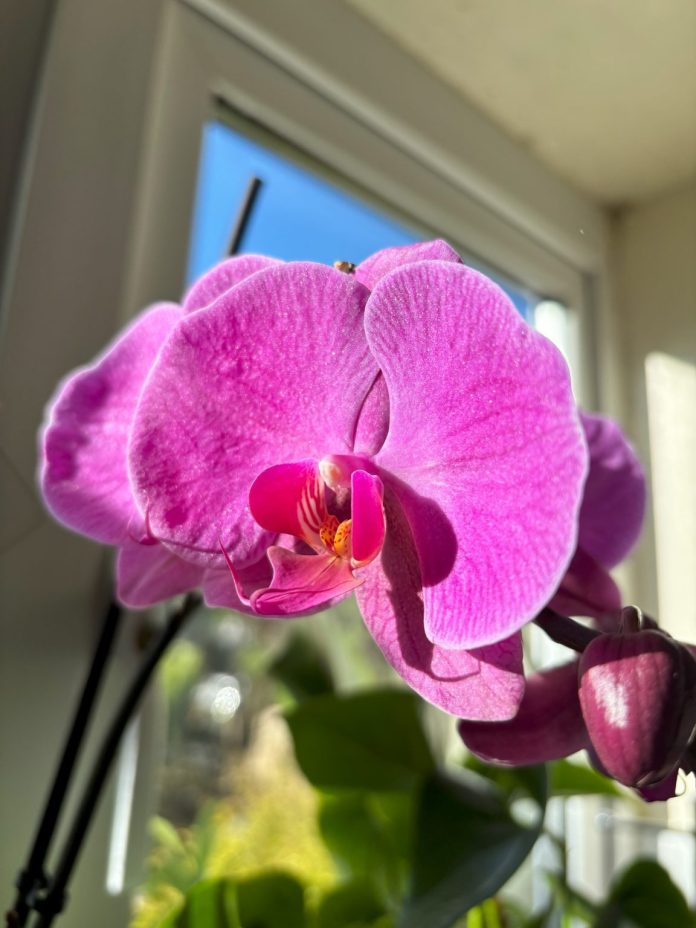
How often do orchids flower? That depends on various factors including the species of orchid, its growing conditions, and care it receives. Generally, most orchids have a natural blooming cycle that can range from once a year to several times a year. Some orchids bloom annually, triggered by changes in temperature, day length, or other environmental factors. Others may bloom more frequently, producing flowers multiple times throughout the year.

Proper care such as adequate watering, appropriate light levels, and proper fertilization can encourage orchids to bloom more regularly. Additionally, some orchids require a period of rest or dormancy before they initiate blooming again. Understanding the specific needs of your orchid species can help optimize its blooming frequency.
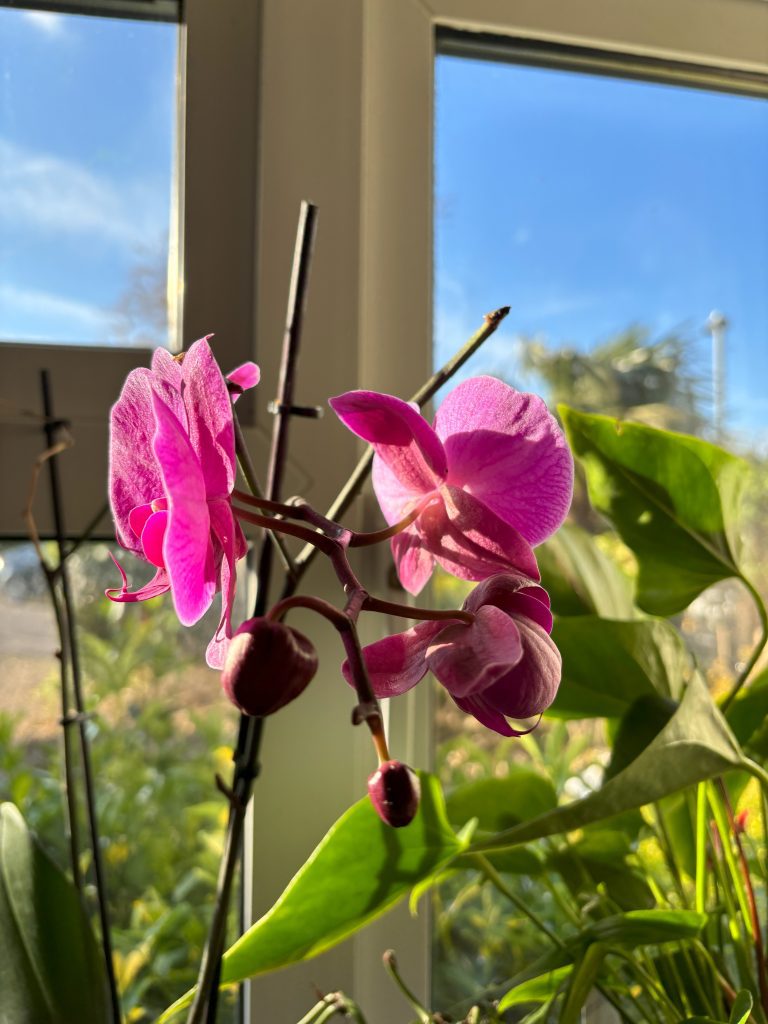
IMG 1071

Several orchid genera are known for their frequent and abundant flowering. Here are a few examples:

  1. Phalaenopsis (Moth Orchids): Phalaenopsis orchids are popular for their ease of care and ability to bloom multiple times a year under proper conditions. They are often seen in homes and offices due to their long-lasting and colorful flowers.
  2. Dendrobium: Dendrobium orchids encompass a diverse group of species and hybrids. Many dendrobiums bloom prolifically, producing clusters of flowers along their canes. They often bloom in response to changes in temperature or other environmental cues.
  3. Oncidium: Oncidium orchids, also known as “dancing lady orchids,” are appreciated for their charming and frequent blooms. They typically produce sprays of small flowers with intricate patterns and vibrant colors.
  4. Cattleya: Cattleya orchids are renowned for their large, showy flowers and delightful fragrance. While they may not bloom as frequently as some other orchids, they often produce multiple flowers on a single inflorescence, creating stunning displays.
  5. Vanda: Vanda orchids are prized for their striking, often large flowers and frequent blooming habits. They thrive in bright, indirect light and warm temperatures, which encourage prolific flowering.

These are just a few examples, and within each genus, there are numerous species and hybrids with varying blooming habits. Proper care, including adequate light, temperature, humidity, and fertilization, can help encourage orchids to bloom more frequently.


spot_img

lOOKING FOR MORE WORK?

The free and easy way to get more customers. Just join Find Local Gardeners.

Harden off plants might sound like a perplexing gardening term, but it’s a crucial step for the health and resilience of your green companions....
Understanding the suitability of plants for different climates is essential for successful gardening and landscaping. Two widely used systems for determining climate suitability are...
USDA zones applicable to the UK along with their corresponding temperature ranges: USDA Zone 5a: -15°F to -20°F (-26.1°C to -28.9°C) USDA Zone 5b: -10°F to...
Mapping what uk counties are in what usda zones is challenging due to the differing climate patterns and microclimates within each county. However, we...
The Guinness World Records currently recognizes the variety ‘Empress Wu’ as the world’s largest hosta. Developed by hybridizer Brian and Virginia Skaggs of Walters...

A Month-by-Month Guide to Growing Orchids in the UK

Orchids are mesmerizing plants, and with proper care, they can thrive and flower even in the UK. Whether you're growing tropical species indoors or hardy types in the garden, understanding their flowering times, dormancy, and care needs is essential....

Continue reading

Why harden off plants?

Harden off plants might sound like a perplexing gardening term, but it’s a crucial step for the health and resilience of your green companions. Whether you’re nurturing seedlings indoors or bringing home nursery-grown plants, acclimating them to outdoor conditions...

What is The Difference Between RHS Hardiness Ratings and USDA Zones

Understanding the suitability of plants for different climates is essential for successful gardening and landscaping. Two widely used systems for determining climate suitability are the Royal Horticultural Society (RHS) Hardiness Ratings and the United States Department of Agriculture (USDA)...

What are the temperature ranges for the USDA zones applicable to the UK

USDA zones applicable to the UK along with their corresponding temperature ranges: USDA Zone 5a: -15°F to -20°F (-26.1°C to -28.9°C) USDA Zone 5b: -10°F to -15°F (-23.3°C to -26.1°C) USDA Zone 6a: -5°F to -10°F (-20.6°C to -23.3°C) USDA Zone 6b: 0°F...

SUBSCRIBE TO OUR YOUTUBE CHANNEL

Plant advice for unusual species plus updates from our tropical garden

SUBSCRIBE