
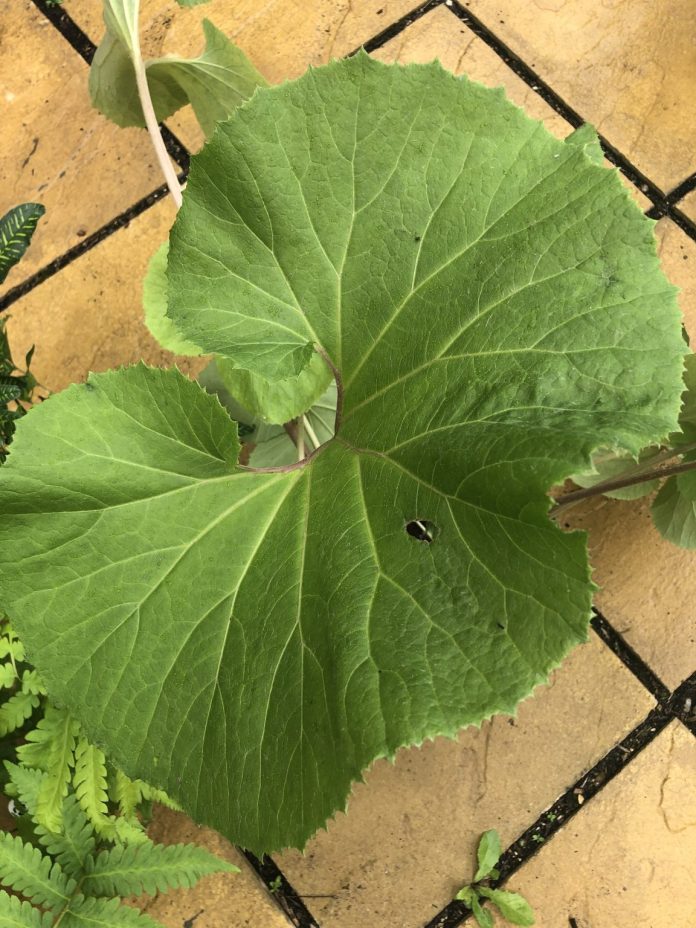
Petasites japonicus, commonly known as Japanese butterbur or giant butterbur, is a herbaceous perennial plant that is native to Japan and other parts of Asia. It is grown for its large, attractive foliage and is often used in ornamental gardens. Here are some steps to grow Petasites japonicus:
- Climate and Growing Conditions: Petasites japonicus thrives in temperate climates with mild summers and cool, moist winters. It prefers partial shade to full shade and moist, fertile soil.
- Propagation: There are two primary methods of propagating Petasites japonicus: division and rhizome cuttings.
- Division: Divide mature plants in early spring before new growth emerges. Carefully dig up the plant and separate the rhizomes into smaller sections, each with some roots and shoots. Replant the divisions in well-prepared soil.
- Rhizome cuttings: In late winter or early spring, take rhizome cuttings from established plants. Cut a section of rhizome with a bud and some roots, and then plant it in a pot or directly in the garden.
- Planting: Choose a planting location with partial to full shade and moist, well-draining soil. Plant the divisions or rhizome cuttings at a depth of about 2 to 3 inches and space them about 2 to 3 feet apart, as Petasites japonicus can spread and fill in the space over time.
- Watering: Keep the soil consistently moist, especially during the growing season. Ensure that the plant receives adequate water, but avoid waterlogging the soil.
- Mulching: Apply a layer of organic mulch around the plants to retain moisture, regulate soil temperature, and suppress weed growth.
- Fertilizing: Petasites japonicus appreciates a nutrient-rich soil. You can incorporate compost or a balanced fertilizer into the soil before planting and provide additional feeding during the growing season if needed.
- Maintenance: Japanese butterbur is a relatively low-maintenance plant, but it can be aggressive and spread rapidly. Regularly remove any unwanted shoots to control its spread. In late autumn, after the leaves have died back, you can cut the plant back to the ground.
- Pest and Disease Control: Petasites japonicus is generally not highly susceptible to pests or diseases. However, you should keep an eye out for common garden pests and promptly address any issues that arise.
- Winter Care: In colder climates, Japanese butterbur may die back in winter and reemerge in spring. If you experience harsh winters, apply a thick layer of mulch over the plant to protect it during the cold months.
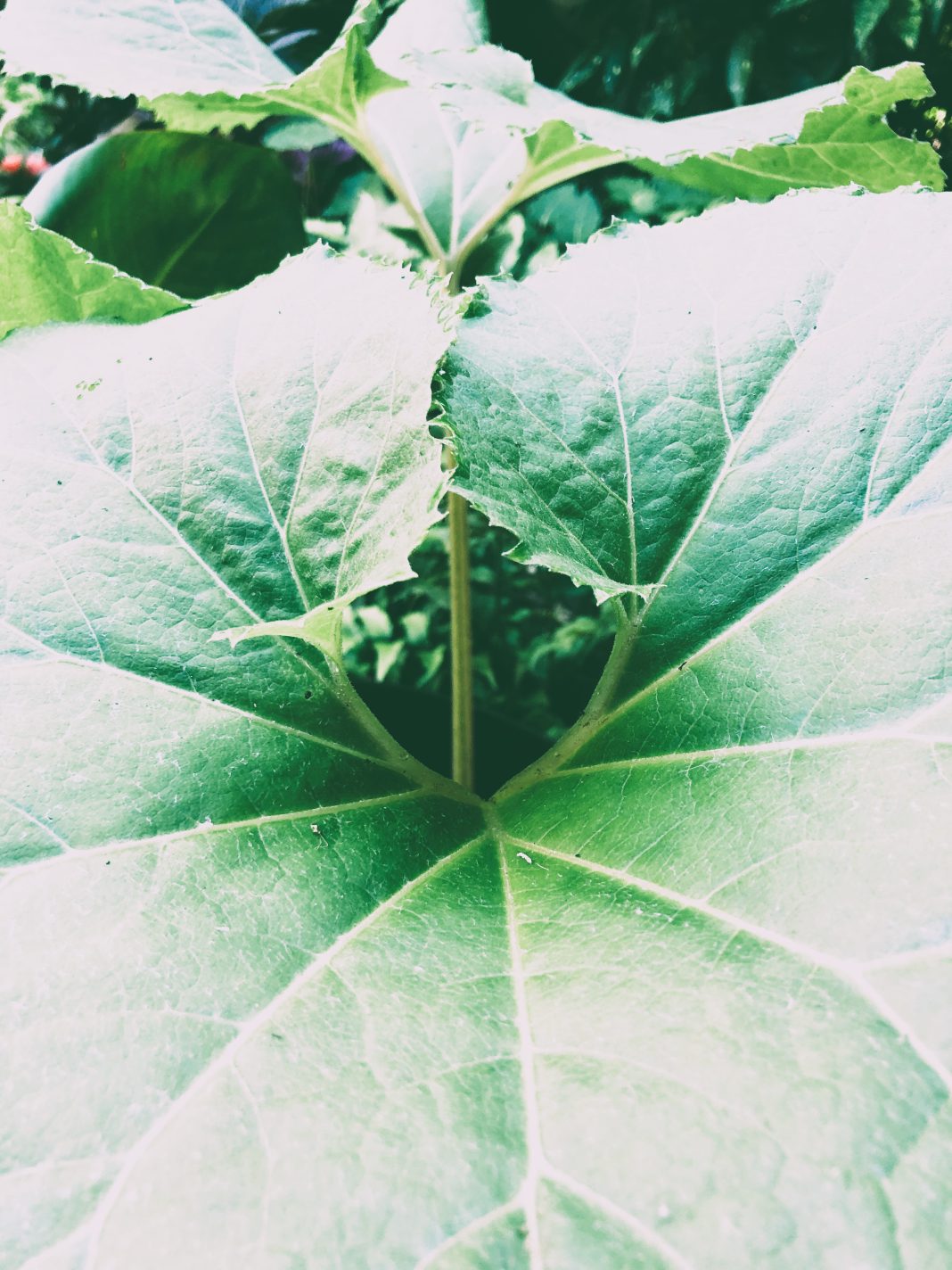
Petasites japonicus – Grow Guide
Common name: Japanese butterbur
Family: Asteraceae
Type: Herbaceous perennial
Hardiness: Fully hardy in the UK (H7)
Ultimate size: Leaves up to 1.2 m across; spreads indefinitely if unchecked
Overview
Petasites japonicus is a dramatic, moisture-loving perennial grown for its huge, architectural leaves. It’s excellent for wild, woodland-style gardens, damp ground, and pond margins—but it must be handled with care, as it is very vigorous and invasive.
Position
- Light:
- Full sun to partial shade
- Best leaf size in partial shade
- Aspect:
- Sheltered from strong winds (large leaves tear easily)
Soil
- Type:
- Moist to wet soil
- Clay, loam, or humus-rich soils all suitable
- pH:
- Neutral to slightly acidic preferred
- Key requirement:
- Never allow soil to dry out
Ideal for:
- Pond edges
- Stream sides
- Low-lying or boggy areas
Planting
- When:
- Spring or autumn
- How:
- Plant divisions at soil level
- Space well away from other plants
- Important:
- Strongly recommended to plant inside a root barrier or large sunken container
Watering
- Requires consistently wet soil
- In dry spells, water heavily
- Mulching helps retain moisture
Feeding
- Generally unnecessary in rich soil
- Optional spring feed with:
- Well-rotted manure
- Garden compost
Growth & Spread
- Spreads via thick underground rhizomes
- Can travel several metres in a season
- Will outcompete weaker plants if not controlled
Containment tips:
- Use pond-liner root barriers
- Grow in large, bottomless tubs sunk into the ground
- Lift and reduce clumps annually if needed
Flowers
- When: Late winter to early spring
- Appearance: Pale pinkish flower spikes before leaves emerge
- Value:
- Interesting but not the main ornamental feature
Maintenance
- Remove damaged leaves during the season
- Cut foliage to ground level after first hard frost
- Check boundaries yearly for escaping rhizomes
Propagation
- Method: Division
- When: Spring or autumn
- Even small root pieces will regrow—dispose responsibly
Pests & Problems
- Generally trouble-free
- Slugs may damage young leaves
- Main “problem” is excessive spread
Wildlife Value
- Provides early nectar from flowers
- Dense cover for frogs and insects near water
Garden Use
- Tropical-style planting schemes
- Woodland gardens
- Naturalistic, wild areas
- Not suitable for small or formal gardens
Important Note
⚠️ Petasites japonicus is listed as invasive in parts of Europe. Never allow it to escape into the wild or near waterways outside your garden.