
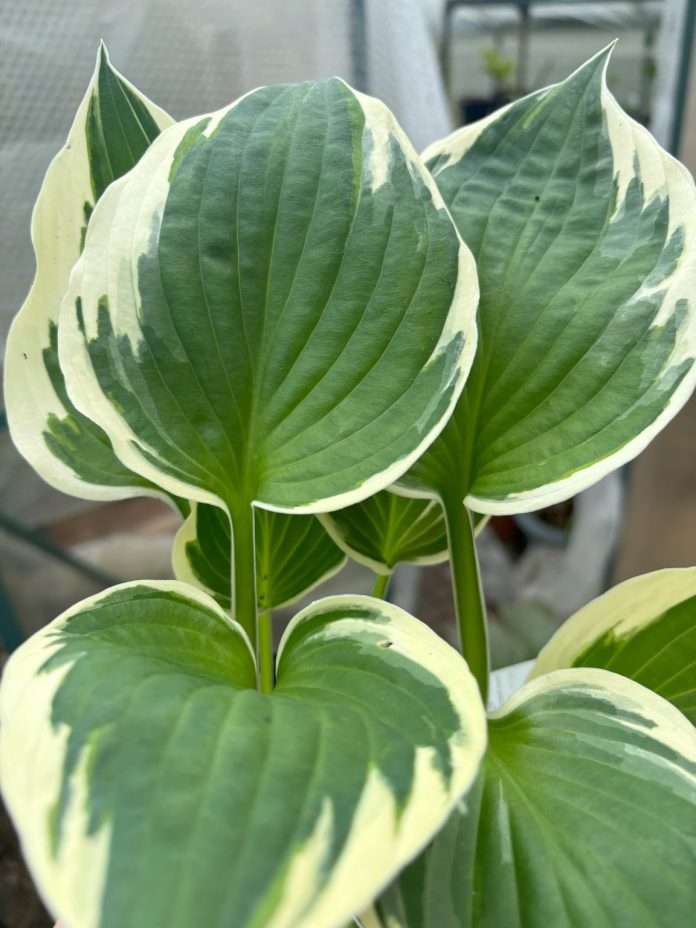
How do I stop slugs from eating my Hostas? Slugs are among the most common and troublesome pests for gardeners growing Hosta ‘Patriot’. These pests are particularly problematic because they thrive in the same moist, shady conditions that Hostas prefer. Here’s an in-depth look at how to identify, prevent, and control slug infestations to keep your Hostas healthy and beautiful.
Identifying Slug Damage
Slugs feed on Hosta leaves, leaving behind:
- Irregular Holes: Look for large, ragged holes in the leaves. Slugs typically chew irregularly shaped holes.
- Silvery Trails: Slugs leave a characteristic slime trail that dries to a silvery sheen, visible on leaves and soil.
- Feeding Patterns: Slugs are most active at night or during damp, overcast days. Inspect your plants in the early morning or after rain to spot them in action.
Preventative Measures
- Cultural Practices:
- Watering: Water your Hostas in the early morning so that the soil surface dries by evening. Avoid overhead watering to reduce the humidity around the plants.
- Mulching: Use coarse mulch such as bark chips or gravel, which is less hospitable to slugs than fine organic mulches.
- Garden Cleanup: Remove debris, fallen leaves, and other materials where slugs can hide and lay eggs.
- Barriers and Traps:
- Copper Barriers: Copper tape or strips placed around the base of the Hosta can deter slugs, as they receive a mild electric shock when they touch the copper.
- Eggshells and Sand: Create a barrier with crushed eggshells, sand, or diatomaceous earth around plants. These materials are abrasive to slugs.
- Beer Traps: Bury containers filled with beer at soil level. Slugs are attracted to the beer, crawl in, and drown. Check and refill these traps regularly.
- Companion Planting:
- Slug-Repellent Plants: Planting slug-repellent plants such as rosemary, fennel, and garlic near your Hostas can help deter slugs.
Organic and Chemical Controls
- Organic Controls:
- Slug Pellets: Use iron phosphate-based slug pellets, which are safer for pets, wildlife, and the environment compared to metaldehyde pellets. Sprinkle these around your Hostas according to the package instructions.
- Beneficial Nematodes: Apply nematodes (Phasmarhabditis hermaphrodita) to the soil. These microscopic organisms parasitize and kill slugs.
- Chemical Controls:
- Metaldehyde Pellets: While effective, these should be used cautiously due to their toxicity to pets and wildlife. Follow label directions carefully and use sparingly.
- Ammonia Solution: A mild solution of household ammonia (1 part ammonia to 9 parts water) can be sprayed directly on slugs. This kills them on contact but should be used with caution around plants.
Monitoring and Maintenance
- Regular Inspections: Check your Hostas regularly, especially during wet weather. Inspect the undersides of leaves and the soil surface for slugs and their eggs.
- Hand-Picking: For smaller gardens or minor infestations, hand-picking slugs in the evening or early morning can be effective. Drop them into a bucket of soapy water to dispose of them.
- Environmental Management: Encourage natural slug predators like birds, frogs, toads, and ground beetles by creating a wildlife-friendly garden environment.
Will Hostas grow back after being eaten?
Yes, Hostas can grow back after being eaten, especially if they are otherwise healthy and established in the garden. However, the extent of recovery depends on several factors including the severity of the damage, the time of year, and the care provided after the damage. Here’s a detailed guide on how to help your Hostas recover and thrive again after being eaten:
Understanding the Damage
Severity: If only a few leaves have been eaten, the plant will likely recover quickly. If most or all of the foliage is gone, recovery will take longer and may require more intensive care.
Time of Year: Damage occurring in early spring is less problematic than damage late in the season. Early season damage allows more time for the plant to regrow and store energy for the winter.
Steps to Help Hostas Recover
- Encouraging New Growth:
- Pruning: Trim any remaining damaged or ragged leaves to encourage the plant to focus energy on producing new foliage.
- Mulching: Apply a layer of mulch around the base of the plant to conserve moisture, regulate soil temperature, and suppress weeds.
- Monitoring and Maintenance:
- Regular Inspections: Check the plants frequently for signs of new damage and promptly address any issues.
- Additional Feeding: Provide a second dose of balanced fertilizer in mid-summer to support ongoing recovery.
- Long-Term Care:
- Division: If the plant has been severely weakened and shows signs of stunted growth the following season, consider dividing it in early spring or fall. This can rejuvenate the plant and encourage vigorous new growth.
- Environmental Adjustments: Improve the garden environment by enhancing soil fertility, ensuring proper drainage, and planting in a suitable location to minimize stress on the Hostas.
Expected Recovery Timeline
- Mild Damage: Hostas with minor leaf loss can begin to show signs of new growth within a few weeks, especially during the active growing season.
- Severe Damage: For Hostas that have lost most of their foliage, recovery might take a few months. They will focus first on re-establishing their root systems and then produce new leaves.
Conclusion
By implementing these strategies, you can effectively manage slug populations and protect your Hostas from significant damage. Combining preventive measures with targeted controls ensures a holistic approach to keeping these pests at bay. With vigilant care and appropriate interventions, your Hostas can thrive and provide lush, variegated foliage that enhances the beauty of your garden.