
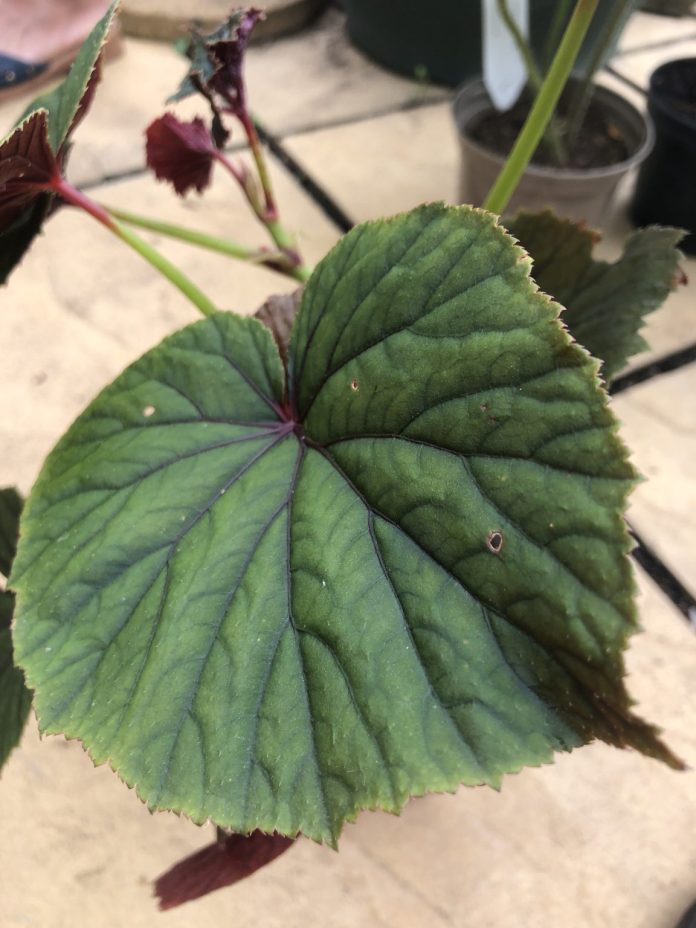
Begonias are often thought of as tender summer bedding plants, but several hardy varieties can survive UK winters and return year after year. These plants are perfect for shady borders, woodland gardens, and containers, offering colour, texture, and late-season interest when many other plants are fading.
Why Choose Hardy Begonias in the UK?
- They return each year, unlike tender bedding begonias.
- Many produce flowers in late summer and autumn, filling gaps in the garden.
- They thrive in shaded or partially shaded areas, ideal for north-facing walls, under trees, or woodland borders.
- Certain cultivars, such as Begonia ‘Torsa’, provide large, tropical-looking foliage that adds drama to UK gardens.
Best Hardy Begonias for UK Gardens
1. Begonia grandis (Hardy Begonia)
- Flowers: Pink or white nodding blooms from late summer to autumn.
- Leaves: Heart-shaped, green foliage.
- Hardiness: Survives most UK winters with mulch protection.
- Uses: Ideal for woodland gardens, shaded borders, and naturalising under trees.
2. Begonia grandis ‘Evansiana’
- Flowers: Bright pink clusters.
- Leaves: Heart-shaped, glossy green.
- Hardiness: Reliable perennial in most temperate areas of the UK.
- Uses: Borders, shady flower beds, and mixed perennial plantings.
3. Begonia ‘Torsa’
- Flowers: Pale pink clusters in late summer to autumn.
- Leaves: Huge, dramatic heart-shaped leaves (40–50 cm) with red-toned undersides or veining.
- Hardiness: Survives UK winters to about −10 °C to −15 °C with mulch protection.
- Uses: Focal points in shady borders, large containers, or woodland-style gardens.
- Extras: Propagates via bulbils in leaf axils, making it easy to increase stock for other parts of the garden.
4. Begonia ‘Sutherlandii’
- Flowers: Bright red clusters.
- Leaves: Smaller, trailing habit.
- Hardiness: Mildly frost-tolerant; lift tubers indoors in colder areas.
- Uses: Hanging baskets, containers, and bedding in warmer southern UK areas.
5. Other Rhizomatous Begonias
- Varieties with patterned or textured foliage.
- Hardy under mulch in sheltered, shaded spots.
- Great for groundcover in woodland borders or shady corners.
Planting and Care in the UK
- Location: Partial to full shade is ideal. Avoid strong afternoon sun.
- Soil: Moist, fertile, well-drained soil rich in organic matter.
- Watering: Keep soil evenly moist during growth; reduce watering when plants go dormant in winter.
- Fertilising: Apply a balanced feed in spring and mid-summer for best growth and flowering.
- Mulching: Add a thick mulch of bark or leaves in late autumn to protect rhizomes and tubers from frost.
- Winter Protection:
- Rhizomatous varieties: Mulch in situ.
- Tuberous varieties: Lift and store in a frost-free shed if winters are harsh.
- Containers: Move to a sheltered spot or insulate pots with horticultural fleece.
Garden Uses
- Shaded Borders: Perfect under trees, along north-facing walls, or in woodland-style borders.
- Containers and Baskets: Ideal for patios and shaded terraces.
- Autumn Interest: Flowering late in the season adds colour when many perennials are fading.
- Architectural Foliage: Cultivars like Begonia ‘Torsa’ bring bold, tropical-style leaves to British gardens.
Pests and Diseases
- Hardy begonias are generally resilient in UK gardens.
- Occasional issues include:
- Aphids or spider mites on new growth.
- Powdery mildew in humid conditions.
- Minor leaf spot.
- Good air circulation and avoiding overhead watering help reduce risks.
Summary
Hardy begonias are an excellent choice for UK gardeners looking for reliable perennials that tolerate shade and frost. From the classic Begonia grandis to the bold Begonia ‘Torsa’, these plants bring colour, texture, and late-season interest to borders, woodland gardens, and containers. With the right planting, soil, and winter protection, hardy begonias can flourish in temperate UK gardens year after year.