Introduction to Colocasia ‘Blue Hawaii’
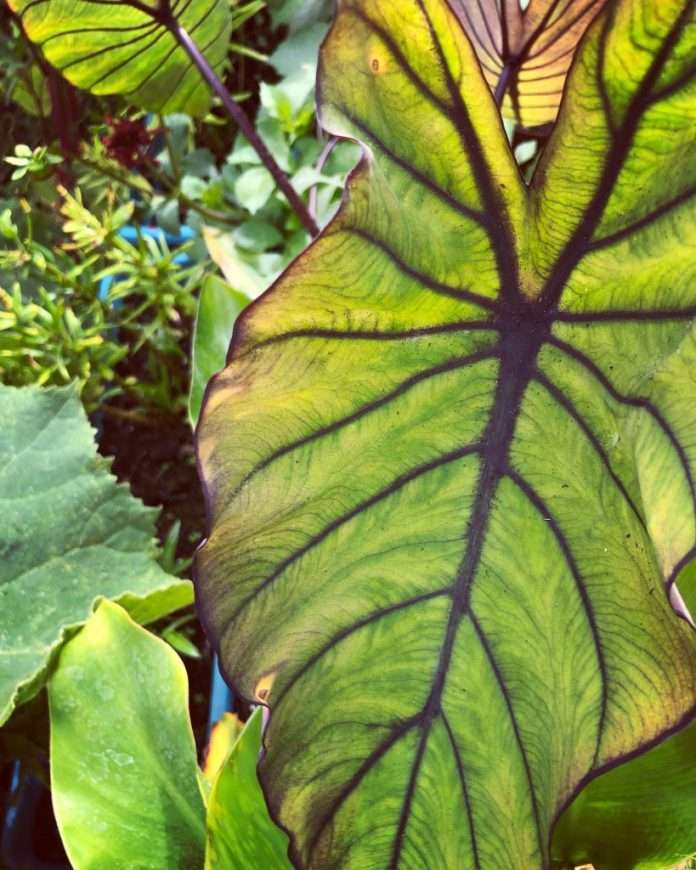
Colocasia ‘Blue Hawaii’ is a striking cultivar of the taro plant, renowned for its stunning blue-green leaves with dark veins and a purple underside. This tropical plant, with its bold foliage, is perfect for creating an exotic, tropical-style garden. While native to warmer climates, Colocasia ‘Blue Hawaii’ can be successfully grown in the UK with proper care and attention, bringing a touch of the tropics to temperate gardens.
Historical Background of Colocasia
Colocasia plants, commonly known as elephant ears due to the shape of their large leaves, have a long history of cultivation. Originating in Southeast Asia, Colocasia esculenta, the species from which ‘Blue Hawaii’ is derived, has been cultivated for thousands of years for both ornamental and culinary purposes. The ‘Blue Hawaii’ cultivar was developed more recently through selective breeding, prized for its unique coloration and ornamental appeal.
Cultivating Colocasia ‘Blue Hawaii’ in the UK
Creating a tropical-style garden with Colocasia ‘Blue Hawaii’ in the UK involves understanding and replicating its native growing conditions. Here’s a detailed guide to help you grow this stunning plant.
1. Selecting the Right Location
Colocasia ‘Blue Hawaii’ thrives in full sun to partial shade. Choose a location in your garden that receives at least 4-6 hours of sunlight daily. In hotter regions, some afternoon shade can protect the plant from scorching.
2. Soil Requirements
This plant prefers rich, organic, well-draining soil. Amend garden soil with plenty of compost or well-rotted manure to improve fertility and drainage. If planting in containers, use a high-quality potting mix enriched with organic matter.
3. Planting and Spacing
Plant Colocasia ‘Blue Hawaii’ in late spring or early summer when the risk of frost has passed. Space plants about 90 cm apart to allow room for their large, dramatic leaves to spread. When planting in the ground, dig a hole twice the size of the root ball, place the plant, and backfill with amended soil.
4. Watering
Colocasia ‘Blue Hawaii’ requires consistently moist soil, mimicking the wet environments it naturally inhabits. Water regularly, ensuring the soil never dries out completely. However, avoid waterlogging, which can lead to root rot.
5. Temperature and Humidity
Being a tropical plant, Colocasia ‘Blue Hawaii’ thrives in warm, humid conditions. In the UK, it can be grown outdoors during the summer but may need to be brought indoors or protected during colder months. Ideal temperatures range from 15°C to 30°C. If growing indoors, maintaining high humidity with a humidifier or misting can support healthy growth.
6. Fertilizing
Feed Colocasia ‘Blue Hawaii’ with a balanced, water-soluble fertilizer every 2-3 weeks during the growing season. This encourages vigorous growth and vibrant foliage. Reduce feeding in autumn and stop altogether in winter when the plant’s growth slows.
7. Overwintering
In the UK, Colocasia ‘Blue Hawaii’ is not frost-hardy. Before the first frost, either move container-grown plants indoors or lift and store tubers from garden-grown plants. To store tubers, gently dig them up, clean off excess soil, and store in a cool, dry place in peat moss or sand.
Designing a Tropical-Style Garden
Integrating Colocasia ‘Blue Hawaii’ into a tropical-style garden can transform your outdoor space into an exotic retreat. Here are some design tips:
- Combine with Other Foliage Plants: Pair with other large-leaved plants like Canna lilies, Hosta, and Alocasia to create a lush, layered effect.
- Add Flowering Tropicals: Introduce vibrant blooms with plants like Hibiscus, Bird of Paradise (Strelitzia), and tropical Rhododendrons to add splashes of color.
- Use Water Features: Colocasia ‘Blue Hawaii’ can thrive in boggy areas or near water features, enhancing the tropical ambiance.
- Incorporate Hardscaping: Use bamboo fencing, tiki torches, and stone pathways to complete the tropical theme.
Conclusion
Growing Colocasia ‘Blue Hawaii’ in the UK requires some effort to recreate its tropical habitat, but the result is a dramatic, eye-catching plant that brings an exotic flair to any garden. By selecting the right location, providing appropriate soil, and ensuring adequate water and warmth, you can enjoy the beauty of this tropical plant in your own backyard. Embrace the challenge and let Colocasia ‘Blue Hawaii’ transform your garden into a tropical paradise. Happy gardening!
To overwinter either bring in as a houseplant or cut off the leaves and drystore the bulb in the pot at ten degrees Celsius. You can also try removing the bulb from the pot, washing off the soil, and then dry storing with a light dusting of sulphur powder
The plant is protected under patent