

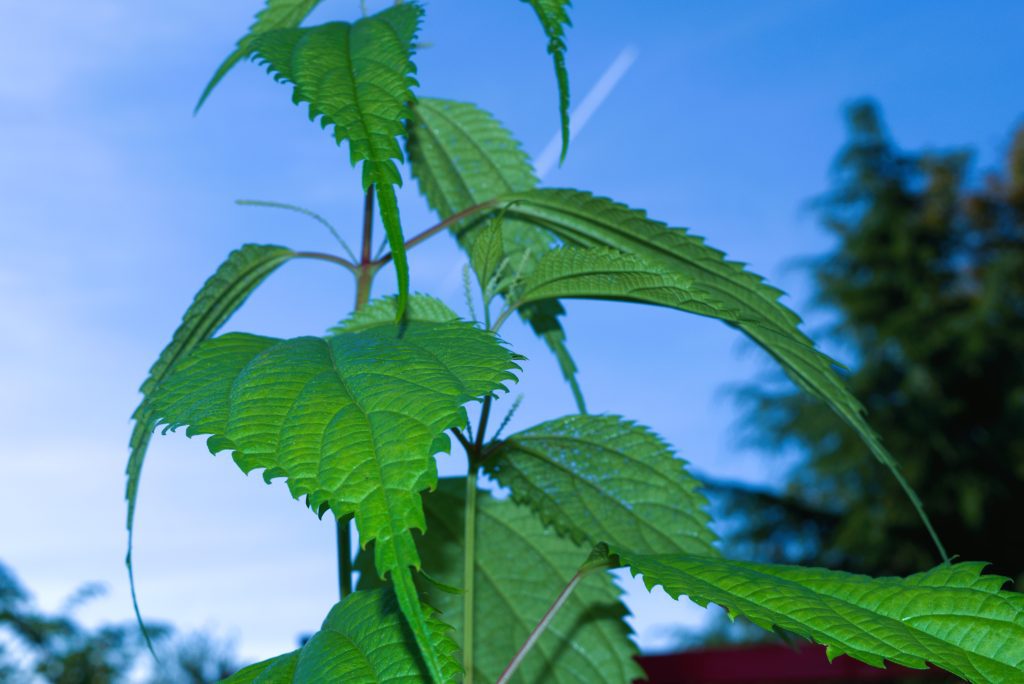
Boehmeria sieboldiana, also known as Japanese false nettle or Siebold’s False Nettle , is a hardy perennial from the Urticaceae family that brings lush, exotic foliage to tropical-style gardens. Its large, textured leaves and bushy growth make it a perfect addition to any garden aiming to replicate a tropical atmosphere. Despite its origins in East Asia, it can thrive in the UK climate with the right care and attention. Here’s a guide to successfully growing Boehmeria sieboldiana in a UK tropical-style garden.
1. Selecting the Right Location
Boehmeria sieboldiana thrives in partially shaded areas, making it an ideal plant for spots that receive dappled sunlight or morning sun with afternoon shade. In tropical-style gardens, it’s often planted beneath taller plants that provide overhead canopy, such as bananas or tree ferns, to replicate its natural understory environment.
While it can tolerate full shade, the plant may become leggy and have fewer leaves. In sunnier locations, its growth is more compact and vigorous, but it’s essential to protect it from harsh midday sun, especially during hot summer spells.
2. Soil Conditions
This plant prefers moist, well-drained soils rich in organic matter. A soil mixture that mimics tropical forest floors is ideal. Incorporating organic compost or leaf mold into the soil helps retain moisture while providing the nutrients it needs. Although Boehmeria sieboldiana can handle a variety of soil types, it does best in slightly acidic to neutral soil (pH 6.0–7.0).
For gardens with clay or compacted soil, consider adding grit or perlite to improve drainage and prevent waterlogging, which can be detrimental to the plant’s root system.
3. Watering Requirements
Like many tropical plants, Boehmeria sieboldiana enjoys consistent moisture. During the growing season (spring through early autumn), the soil should remain evenly moist but not soggy. Regular watering is essential, especially during dry periods, but ensure the soil has good drainage to avoid root rot.
During the winter, the plant’s growth slows down, and it becomes more tolerant of dry conditions. Reduce watering in colder months, ensuring the soil doesn’t dry out completely, but avoid overwatering.
4. Mulching and Feeding
Mulching is beneficial for keeping the soil cool and moist, which is ideal for a tropical-style garden. Apply a layer of organic mulch, such as compost, leaf mold, or bark chips, around the base of the plant. This not only helps retain moisture but also suppresses weeds and gradually enriches the soil.
Feeding Boehmeria sieboldiana with a balanced, slow-release fertilizer in early spring will encourage lush growth. You can also apply a liquid seaweed feed or compost tea monthly during the growing season to boost nutrient intake.
5. Winter Protection
Although Boehmeria sieboldiana is hardy in most parts of the UK (up to USDA zone 6-7), it can benefit from some winter protection in particularly cold areas or during harsh winters. Mulch heavily around the base of the plant in late autumn to insulate the roots, or consider covering it with horticultural fleece during severe frost.
In colder regions, the plant may die back to the ground in winter, but it will usually re-emerge in spring. For potted plants, consider moving them to a sheltered area or greenhouse during the coldest months.
6. Pruning and Maintenance
Boehmeria sieboldiana requires minimal pruning. However, regular deadheading of faded leaves and flowers will keep it looking tidy and promote new growth. In early spring, you can cut back any damaged or dead stems to encourage fresh, healthy shoots.
This plant is not prone to many pests or diseases, but keep an eye out for common garden pests such as slugs or aphids. Regular monitoring and using organic controls like neem oil or soapy water sprays can help manage infestations.
7. Companion Planting
Boehmeria sieboldiana pairs beautifully with other tropical-style plants. Its bold foliage contrasts well with ferns, hostas, and hardy bananas (Musa basjoo). Consider planting it alongside bamboos, Tetrapanax, and fatsias for a dramatic, layered effect.
For added color, surround it with flowering plants like Canna lilies or Hedychium (ginger lilies). The combination of large leaves and exotic blooms will enhance the tropical atmosphere of your garden.
8. Propagation
Boehmeria sieboldiana can be propagated by division or from seed. In spring, mature plants can be divided to create new specimens. Carefully dig up the plant, separate the clumps, and replant them in their new location.
Alternatively, you can collect seeds in late autumn. Sow them indoors in early spring in seed trays filled with moist, well-drained compost. Germination usually takes a few weeks, and once the seedlings are large enough, they can be transplanted outside after the risk of frost has passed.
Conclusion
With its lush, textured foliage and low-maintenance nature, Boehmeria sieboldiana is a fantastic plant for creating a tropical-style garden in the UK. By providing it with the right growing conditions—moist, well-drained soil, partial shade, and protection from extreme cold—it will reward you with a verdant, exotic appearance that enhances the tropical feel of your garden. Whether used as an understory plant or a focal point in a foliage-rich border, Boehmeria sieboldiana is sure to thrive and add a touch of the tropics to your outdoor space.
Boehmeria sieboldiana – Grow Guide
Common name: False Nettle, Japanese Boehmeria
Family: Urticaceae
Type: Herbaceous perennial
Hardiness: RHS H6 – fully hardy throughout the UK
Ultimate size: 1–1.8 m tall × 1–1.5 m wide
Overview
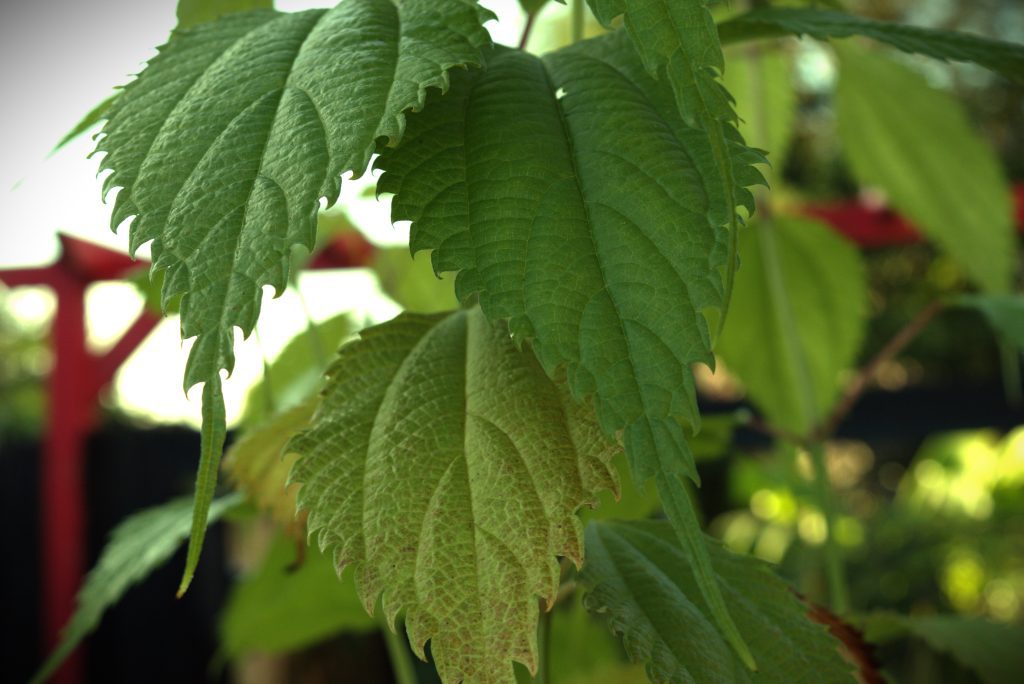
Boehmeria sieboldiana is a bold foliage perennial grown for its large, heart-shaped leaves with a softly textured, quilted surface and pale undersides. Despite its common name, it does not sting. It is an excellent plant for woodland gardens, damp borders, and tropical-style planting, where it adds height, texture, and a lush, leafy presence.
Position
- Light: Partial shade to full shade
- Tolerates sun if soil remains consistently moist
- Best in sheltered sites, protected from strong winds
Soil
- Type: Moist, fertile, humus-rich soil
- Thrives in damp but well-drained conditions
- pH: Neutral to slightly acidic
- Performs poorly in dry or impoverished soils
Planting
- When: Spring or autumn
- Space plants 1–1.2 m apart
- Incorporate plenty of organic matter at planting
- Mulch well to conserve moisture
Watering
- Water regularly, especially during dry periods
- Soil should never fully dry out
- Ideal for naturally moist or riverside gardens
Feeding
- Apply garden compost or well-rotted manure in spring
- Optional liquid feed in early summer for extra vigour
Growth & Habit
- Upright, clump-forming perennial
- Large leaves up to 25 cm long with a slightly velvety feel
- Spreads slowly by rhizomes, forming impressive clumps
- Dies back to ground level in winter
Flowering
- Months: July–August
- Flowers: Small, greenish-white, held in loose sprays
- Flowers are insignificant; plant is grown for foliage
Maintenance
- Cut back dead stems in late winter or early spring
- Mulch annually to maintain soil moisture and fertility
- Divide clumps every 4–5 years if required
Propagation
- Division: Best method; divide in spring
- Seed: Possible but rarely used in gardens
Pests & Problems
- Generally trouble-free
- Slugs and snails may attack young growth
- Leaves may scorch if soil becomes dry
Garden Use
- Woodland borders and shade gardens
- Damp borders and riverside planting
- Tropical-style or foliage-focused planting schemes
- Excellent companion plants:
- Rodgersia
- Darmera
- Hosta
- Ferns
Quick Reference Table
| Feature | Details |
|---|---|
| Hardiness | RHS H6 |
| Height | 1–1.8 m |
| Spread | 1–1.5 m |
| Flowering | July–August (insignificant) |
| Position | Partial to full shade |
| Soil | Moist, fertile, humus-rich |
| Water | Regular; do not allow to dry |
| Feeding | Spring compost or manure |
| Propagation | Division |
| Maintenance | Cut back in late winter |
| Best feature | Large, bold, non-stinging foliage |