Landscaping expertise is playing an increasingly important role in the design of modern zoological environments, where durability, drainage and animal welfare considerations must sit alongside aesthetics and visitor experience. A recent project at Hertfordshire Zoo highlights how specialist turf and landscaping materials can support conservation-led habitat development.
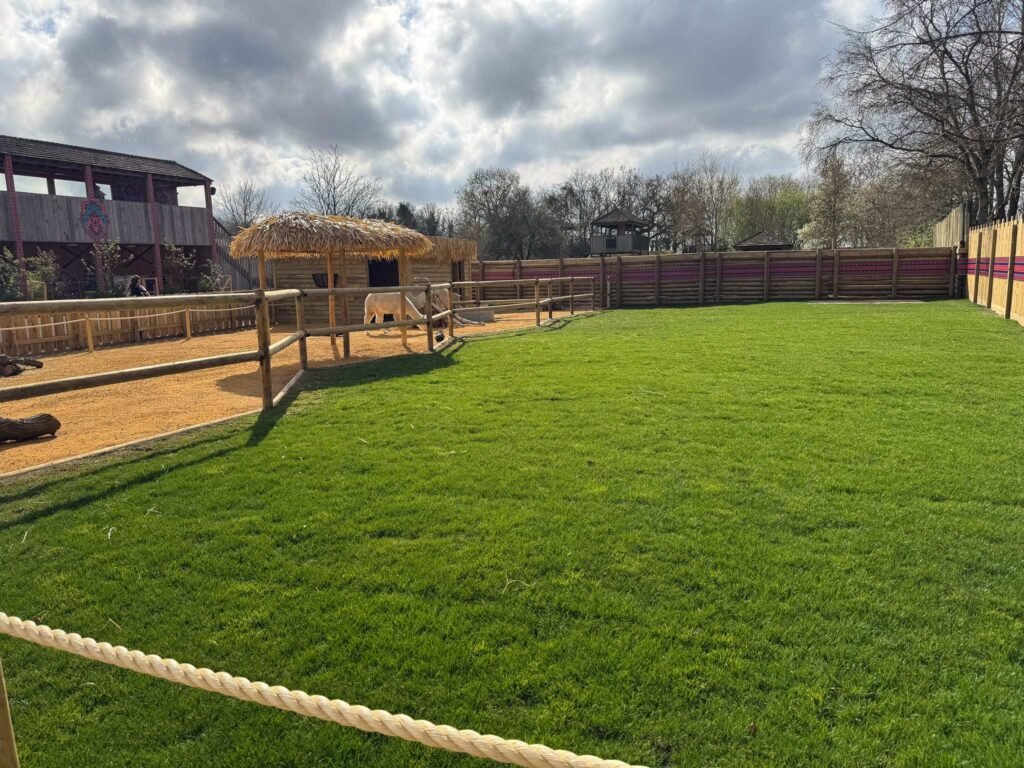
George Davies Turf & Stone supplied and supported the installation of 330m² of premium Trident Turf as part of new habitat developments at the Broxbourne-based attraction. The zoo, formerly Paradise Wildlife Park, has undergone significant redevelopment in recent years, with a focus on creating immersive environments that prioritise animal wellbeing while enhancing visitor engagement.
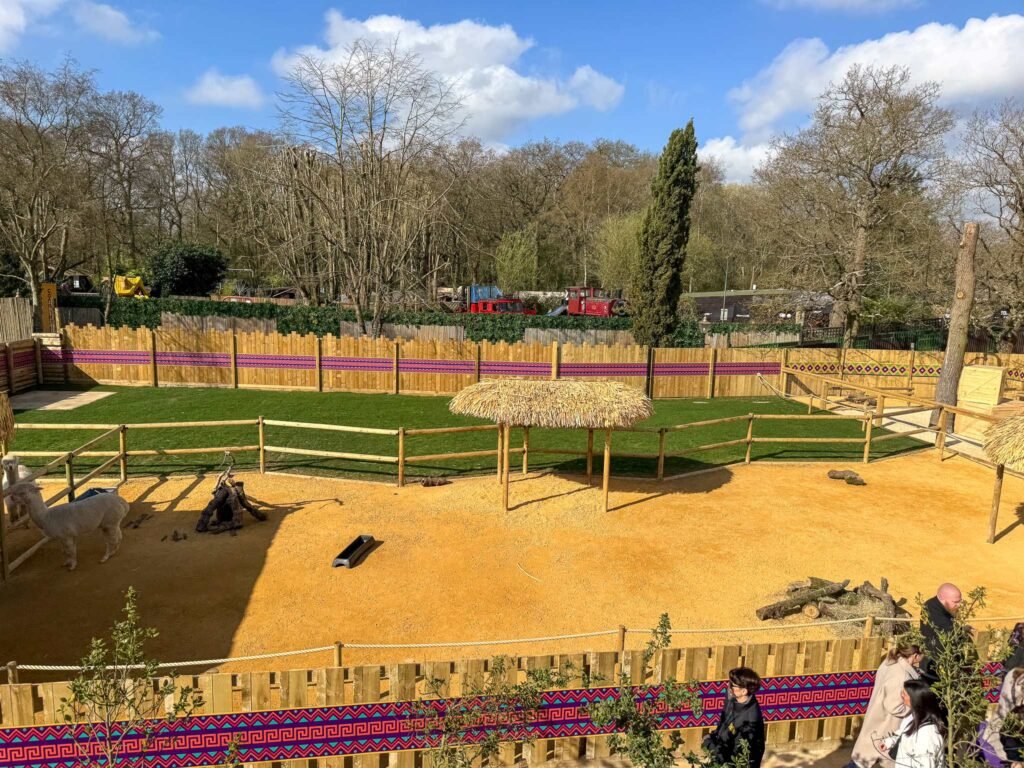
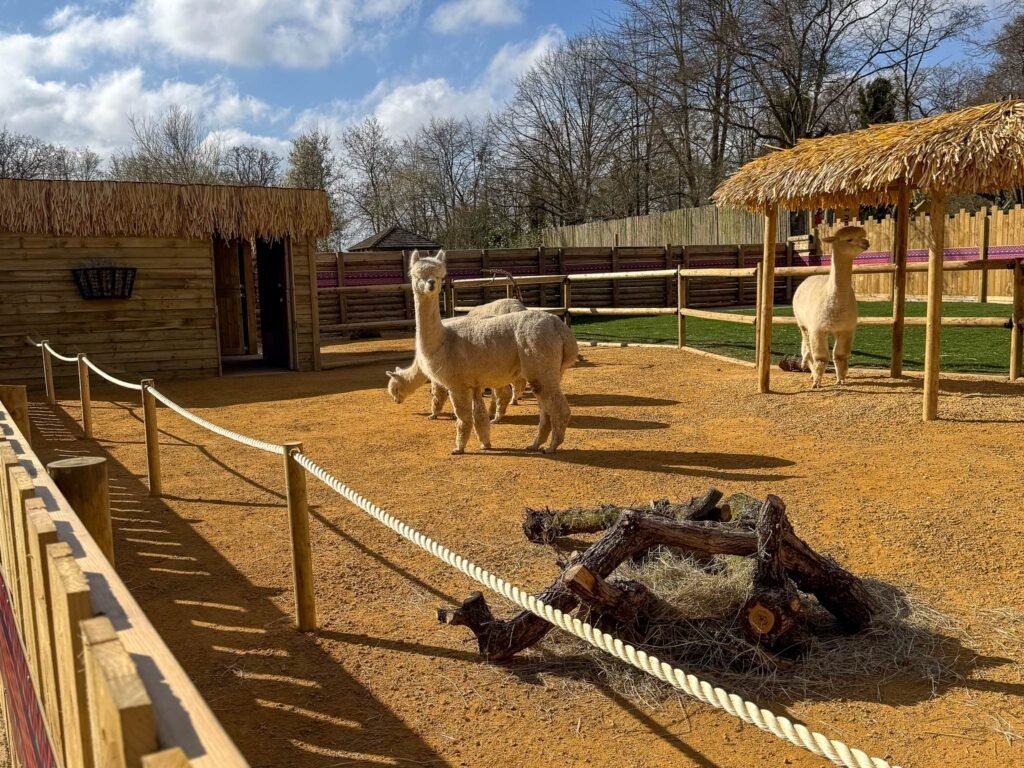
The turf was used within newly created animal areas, including habitats for the Lions of India as well as alpaca and goat enclosures. Unlike traditional landscaping applications, zoological environments present more demanding conditions. Surfaces must withstand heavy animal traffic, variable weather conditions and ongoing maintenance demands, while remaining safe, natural and comfortable for the animals themselves.
According to the project team, durability and resilience were key factors in material selection. Natural turf was chosen to provide a robust yet sympathetic surface that integrates with the wider landscape design while supporting drainage and long-term usability.
The collaboration extended beyond habitat areas. George Davies Turf & Stone also supplied sleepers, topsoil and patio materials used in the development of a new VIP area and discovery studio, designed by Datum Design Company. The space forms part of the zoo’s wider investment in visitor infrastructure and educational engagement.
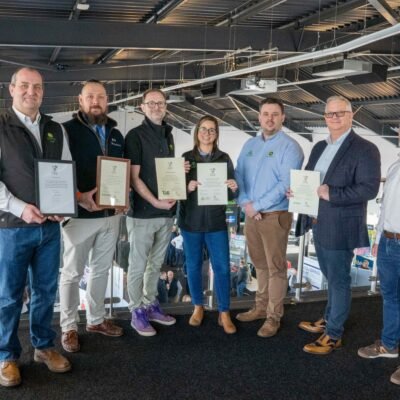
Members of the George Davies team visited the site during and after installation to review progress and see the completed environments in use. The visit included discussions with zookeepers about breeding programmes and animal management practices, reinforcing the importance of landscape design in supporting both conservation outcomes and day-to-day operational requirements.
Tyler Whitnall, managing director at Hertfordshire Zoo, said: “Creating natural, durable environments for our animals is essential to both their wellbeing and our conservation mission. This support from the team at George Davies Turf & Stone has made a real difference, allowing us to develop habitats and visitor spaces that enhance both animal care and the educational experience for guests. We are extremely grateful for their generosity and willingness to help and are delighted with the results.”
George Davies, owner and director of George Davies Turf & Stone, said: “Zoological environments present a very different set of challenges compared with standard landscaping projects. The turf needs to withstand concentrated wear, changing conditions and ongoing maintenance while still performing visually and structurally. Selecting the right product and supporting the installation process were key to ensuring long-term performance. It’s a great example of how landscape suppliers and contractors can collaborate to deliver practical solutions in specialist environments.”
Projects such as this demonstrate how landscape suppliers are increasingly working beyond traditional domestic and commercial settings, contributing to environments where functionality, durability and welfare considerations must sit alongside design. The move away from purely aesthetic landscaping towards functional, welfare-led design requires a more technical approach to material selection, installation and ongoing performance.
As zoological and wildlife attractions continue to invest in immersive environments, collaboration between designers, contractors and specialist suppliers is becoming essential to ensure landscapes are not only visually appealing but capable of meeting the practical demands of animal habitats.