
The Newspaper For Gardeners

December Gardening Tips From...

Ooohhhhh …it's nearly here…Christmas! A time for cosy evenings by the fire and...

Looking Out for Hedgehogs...

Hedgehogs are some of the most endearing creatures in our gardens, but winter...

Protecting Your Plants from...

Winter can be a challenging time for gardeners, particularly when wildlife like deer...

Winter Compost: Digging Out...

Winter is an excellent time to dig out your compost heap and spread...
Monday, December 22, 2025
HomeGardenFilling a Plant...

Filling a Plant Pot : Grit, Crocks, Perlite, or Something Else?

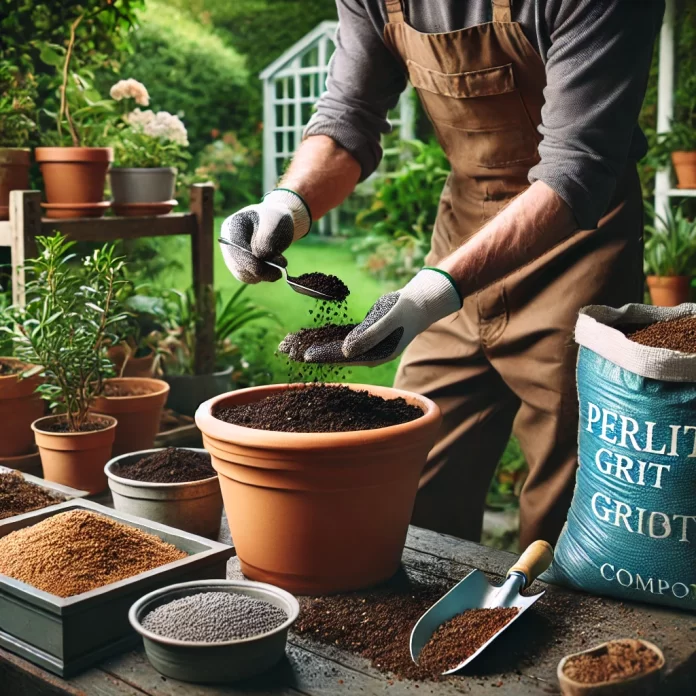
Filling a plant pot correctly is key to keeping your plants healthy, whether you’re potting up houseplants, container plants, or seedlings. The debate over using crocks (broken pots), grit, perlite, or other materials has been around for years, so let’s break down the best approach based on plant health and drainage needs.


Do You Need Crocks in the Bottom of a Pot?

A common old gardening practice is placing crocks (broken terracotta or ceramic pieces) at the bottom of a plant pot to improve drainage. However, research suggests that this can actually hinder drainage by creating a perched water table—where water collects just above the crocks instead of draining freely. This can lead to root rot rather than preventing it.

Verdict: Avoid crocks unless the pot has exceptionally large drainage holes that need covering to prevent soil loss.


Should You Use Horticultural Grit?

Horticultural grit, made from crushed stone, is often added to soil to improve drainage. It is particularly useful for plants that need sharp drainage, such as succulents, alpines, and Mediterranean herbs. However, adding a layer of grit at the bottom of a pot has the same problem as crocks—it creates a barrier that can trap water.

The best way to use grit is mixing it into the soil to improve overall drainage and structure, especially in heavy or moisture-retentive composts.

Verdict: Use grit as a soil amendment, not as a drainage layer.


What About Perlite?

Perlite is a lightweight, porous material that improves aeration and drainage when mixed into soil. Unlike grit, it also helps retain some moisture while keeping the soil light and fluffy. This makes it ideal for houseplants, seedlings, and tropical plants that need good drainage but don’t like to dry out completely.

Verdict: Perlite is a great addition to soil for most potted plants, especially houseplants and seedlings.


Alternative Drainage Boosters: Sand, Bark, and Vermiculite

  • Coarse sand (not builders’ sand) can be used instead of grit in small pots but can compact over time.
  • Bark chips can improve drainage and aeration in mixes for orchids and some epiphytes.
  • Vermiculite holds more moisture than perlite and is better suited for moisture-loving plants.

Does Mesh Over Drainage Holes Stop Slugs?

Using fine mesh or wire gauze over drainage holes can help deter slugs, but it’s not a foolproof solution. While it can physically block slugs from crawling in through the holes, determined slugs can still climb over the rim of the pot or burrow through loose soil.

Better Ways to Keep Slugs Out of Pots

  • Copper Tape: Slugs dislike copper, so wrapping a strip around the pot can act as a deterrent.
  • Grit or Sharp Sand: A layer on the soil surface can make it uncomfortable for slugs to travel over.
  • Elevating Pots: Raising pots on feet or stands makes it harder for slugs to reach them.
  • Slug-Resistant Plants: Some plants, like ferns, rosemary, and geraniums (Pelargonium), are less appealing to slugs.

If you’re mainly using mesh for drainage reasons, it can still help as part of a broader slug deterrent strategy, but it won’t completely stop them on its own.


The Best Way to Fill a Plant Pot

  1. Choose a pot with drainage holes. This is the single most important factor in preventing waterlogging.
  2. Skip the crocks. If the holes are large, cover them with mesh or a single flat stone to prevent soil loss.
  3. Use the right soil mix. Add grit, perlite, or sand depending on your plant’s needs.
  4. Leave space at the top. Fill the pot so that there’s about an inch (2-3 cm) of space below the rim to make watering easier.
  5. Water appropriately. Even the best soil mix won’t help if you overwater—always check moisture levels before watering again.

Final Takeaway

The best way to fill a plant pot depends on the type of plant and its drainage needs. Instead of using crocks or grit layers at the bottom, focus on a well-draining soil mix with added grit or perlite if needed. For slug protection, mesh can help but works best alongside other deterrents like copper tape or grit. By following these steps, your potted plants will stay healthier and thrive for longer.

spot_img

lOOKING FOR MORE WORK?

The free and easy way to get more customers. Just join Find Local Gardeners.

Lavender is a garden favourite, but without pruning it soon turns woody and straggly. With a simple yearly routine you can keep it compact,...
The National Allotment Society* estimates that there are currently around 330,000 allotments in the UK and National Allotment Week (11th – 17th August 2025) aims to raise awareness...
Clay soil is often dreaded by gardeners. It's sticky when wet, cracks when dry, and compacts into a brick-like slab under foot. But with...
Cobra RM514SPC Lawn Mower – History, Specifications & Review The Cobra RM514SPC is a powerful self-propelled rear roller mower, designed to create a professional striped...
Growing fruit bushes like currants, gooseberries, raspberries, and blueberries can be incredibly rewarding, but without proper protection, birds and other wildlife can quickly strip...

Defra Ministers appoint Sir Andrew Steer as Chair of the Board of Trustees of the Royal Botanic Gardens, Kew 

Monday, 22 December 2025 Sir Andrew Steer, a prominent global leader in sustainable development and climate change has been announced as the new Chair of RBG Kew, taking over from Dame Amelia Fawcett who held the post for two terms.    Sir Andrew’s appointment is for four years and...

BigPlantPots: Bold Design, Built for Growing Big

As gardeners continue to embrace statement planting and flexible outdoor design, one UK brand is helping both professionals and home growers think bigger. BigPlantPots specialises in oversized plant containers that combine strong visual design with serious growing capacity, making...

Green-tech ends the year on a high by surpassing its charity target for St Leonard’s Hospice

Green‑tech is delighted with the success of its 2025 charity fundraising campaign for St Leonard’s Hospice, York. Their efforts have raised over £1,600. Green‑tech is the UK’s leading landscape provider, supplying products that help create greener, more resilient and biodiverse spaces...

Conservation of Scotland’s rarest moss boosted by Air-Pot® innovation

THE TEAM at Royal Botanic Garden Edinburgh (RBGE) has been able to successfully cultivate one of Scotland’s rarest mosses – Round‑leaved bryum – during ex‑situ conservation trials with the help of Air-Pot® (December 2025). The Air-Pot container’s innovative design, which...

Continue reading

Defra Ministers appoint Sir Andrew Steer as Chair of the Board of Trustees of the Royal Botanic Gardens, Kew 

Monday, 22 December 2025 Sir Andrew Steer, a prominent global leader in sustainable development and climate change has been announced as the new Chair of RBG Kew, taking over from Dame Amelia Fawcett who held the post for two terms.    Sir Andrew’s appointment is for four years and...

BigPlantPots: Bold Design, Built for Growing Big

As gardeners continue to embrace statement planting and flexible outdoor design, one UK brand is helping both professionals and home growers think bigger. BigPlantPots specialises in oversized plant containers that combine strong visual design with serious growing capacity, making...

Green-tech ends the year on a high by surpassing its charity target for St Leonard’s Hospice

Green‑tech is delighted with the success of its 2025 charity fundraising campaign for St Leonard’s Hospice, York. Their efforts have raised over £1,600. Green‑tech is the UK’s leading landscape provider, supplying products that help create greener, more resilient and biodiverse spaces...

SUBSCRIBE TO OUR YOUTUBE CHANNEL

Plant advice for unusual species plus updates from our tropical garden

SUBSCRIBE