
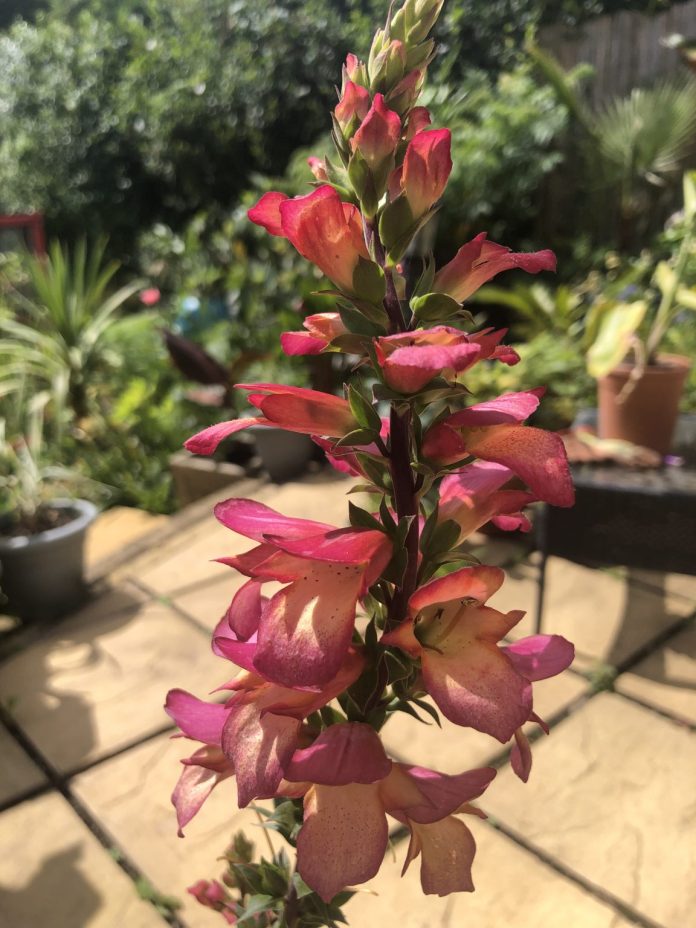
Digiplexis ‘Falcon Fire’ is considered to be marginally frost hardy. It is typically hardy in USDA hardiness zones 8-10, where it can withstand temperatures down to about 20°F (-6°C). In colder regions, it may not survive freezing temperatures and is best treated as an annual or grown in containers that can be brought indoors during winter.
If you live in a colder climate and still want to grow Digiplexis ‘Falcon Fire,’ you can try providing some winter protection. Before the first frost, mulch around the base of the plant with a layer of straw or leaves to insulate the roots and protect them from freezing temperatures. You can also cover the plant with a frost cloth or move container-grown plants to a protected area, such as a garage or basement, where temperatures remain above freezing.
However, it’s important to note that even with winter protection, the chances of survival in very cold regions are limited. If you’re uncertain about the frost hardiness in your specific location, it’s best to consult with local garden experts or a nursery familiar with your climate for tailored advice on growing Digiplexis ‘Falcon Fire.’
Here’s a comprehensive grow guide for Digiplexis ‘Falcon Fire’ with all the details you’d need for successful cultivation:
Digiplexis ‘Falcon Fire’ – Grow Guide
Digiplexis ‘Falcon Fire’ is a striking perennial/half-hardy plant known for its tropical-looking, foxglove-style flowers that combine shades of orange, red, and yellow. It’s an exceptional choice for borders, containers, and pollinator-friendly gardens, extending colour into late summer and autumn.
Botanical Information
- Botanical Name: Digiplexis × taliensis ‘Falcon Fire’
- Family: Plantaginaceae (previously Scrophulariaceae)
- Common Name: Digiplexis, Hybrid Foxglove
- Plant Type: Tender perennial/half-hardy perennial (often grown as a biennial in cooler climates)
Growth Habit
- Height: 90–120 cm
- Spread: 30–50 cm
- Form: Upright, clump-forming with tall spikes of tubular, foxglove-style flowers
- Foliage: Glossy green, lance-shaped leaves forming a basal rosette
Soil Requirements
- Type: Prefers well-drained, fertile soil, tolerates loam, sandy, or enriched clay soils
- Moisture: Keep consistently moist during the growing season; avoid waterlogging
- pH: Neutral to slightly acidic (pH 6.0–7.0)
- Fertilization: Apply a balanced or high-potash fertilizer monthly to encourage continuous flowering
Position and Sunlight
- Sun: Full sun to light shade
- Shade: Partial shade tolerated, but flowering may be reduced
- Air Circulation: Ensure good airflow to prevent fungal issues
Hardiness
- Hardiness: Tender perennial in colder regions; hardy to USDA zones 9–10
- UK Care: Usually grown as a summer bedding plant or half-hardy perennial; protect from frost or grow in containers that can be overwintered indoors
Flowering
- Months: July to October (long flowering season)
- Flower Type: Tubular, foxglove-style flowers with vibrant gradients of orange, red, and yellow
- Pollinators: Highly attractive to bees, butterflies, and hummingbirds
Propagation
- Seed: Easily grown from seed sown indoors in late winter or early spring; seedlings ready to transplant in late spring
- Division: Not typically propagated by division
- Cuttings: Rarely used; seed propagation preferred
Cultivation Tips
- Deadheading: Not strictly necessary; flowers are long-lasting, but removing spent spikes can encourage more blooms
- Support: Taller spikes may need staking, especially in windy sites
- Spacing: Plant 30–50 cm apart to allow air circulation
- Companion Plants: Works well with grasses, Salvias, Echinacea, and other pollinator-friendly perennials
- Pests/Diseases: Generally low-maintenance; occasional aphids or mildew possible
Garden Uses
- Borders: Provides late-season colour and dramatic vertical interest
- Containers: Excellent for large pots or mixed planters
- Pollinator-Friendly: Attracts bees and butterflies, making it ideal for wildlife gardens
- Cut Flowers: Long-lasting spikes suitable for indoor arrangements
Summary
Digiplexis ‘Falcon Fire’ is a show-stopping plant for late summer and autumn colour, offering long-lasting, tubular flowers in fiery shades of orange, red, and yellow. It thrives in well-drained, fertile soil, in full sun to partial shade, and requires moist soil and regular feeding for best performance. While tender in colder climates, it’s ideal as a half-hardy perennial or summer bedding plant in the UK, providing spectacular colour, architectural form, and pollinator appeal.