
Gardening jobs for July
July is a high point in the gardening year, with the garden in full bloom and fruit and vegetables ripening steadily. It’s a time for maintenance, harvesting, and enjoying the results of earlier efforts.
General maintenance includes regular watering, particularly for containers, hanging baskets, and newly planted shrubs. Water early in the morning or evening to reduce evaporation. Deadhead flowers frequently to prolong blooming and remove spent foliage to keep plants looking tidy. Keep weeds in check by hoeing or hand-pulling, especially after watering or rain. Monitor for pests such as slugs, aphids, and red spider mites, and deal with infestations promptly.
In ornamental gardening, continue deadheading flowering plants like roses, dahlias, and bedding plants to encourage more blooms. Prune wisteria, cutting back the long whippy growths to around five or six leaves. Clip lavender after flowering to maintain its shape and encourage new growth. Divide and transplant bearded irises if they have become overcrowded. Keep an eye on climbing plants and tie them in to supports as they grow.
For fruit and vegetable gardening, harvest regularly to encourage continued cropping. Pick beans, courgettes, tomatoes, and soft fruits like raspberries and currants. Sow late-season crops such as lettuce, radishes, and spinach for a fresh supply later in the summer. Thin out fruit on trees like apples and pears to prevent overcrowding and ensure larger, healthier fruit. Feed and water crops such as tomatoes and cucumbers regularly, using a high-potash fertilizer to encourage fruit development.
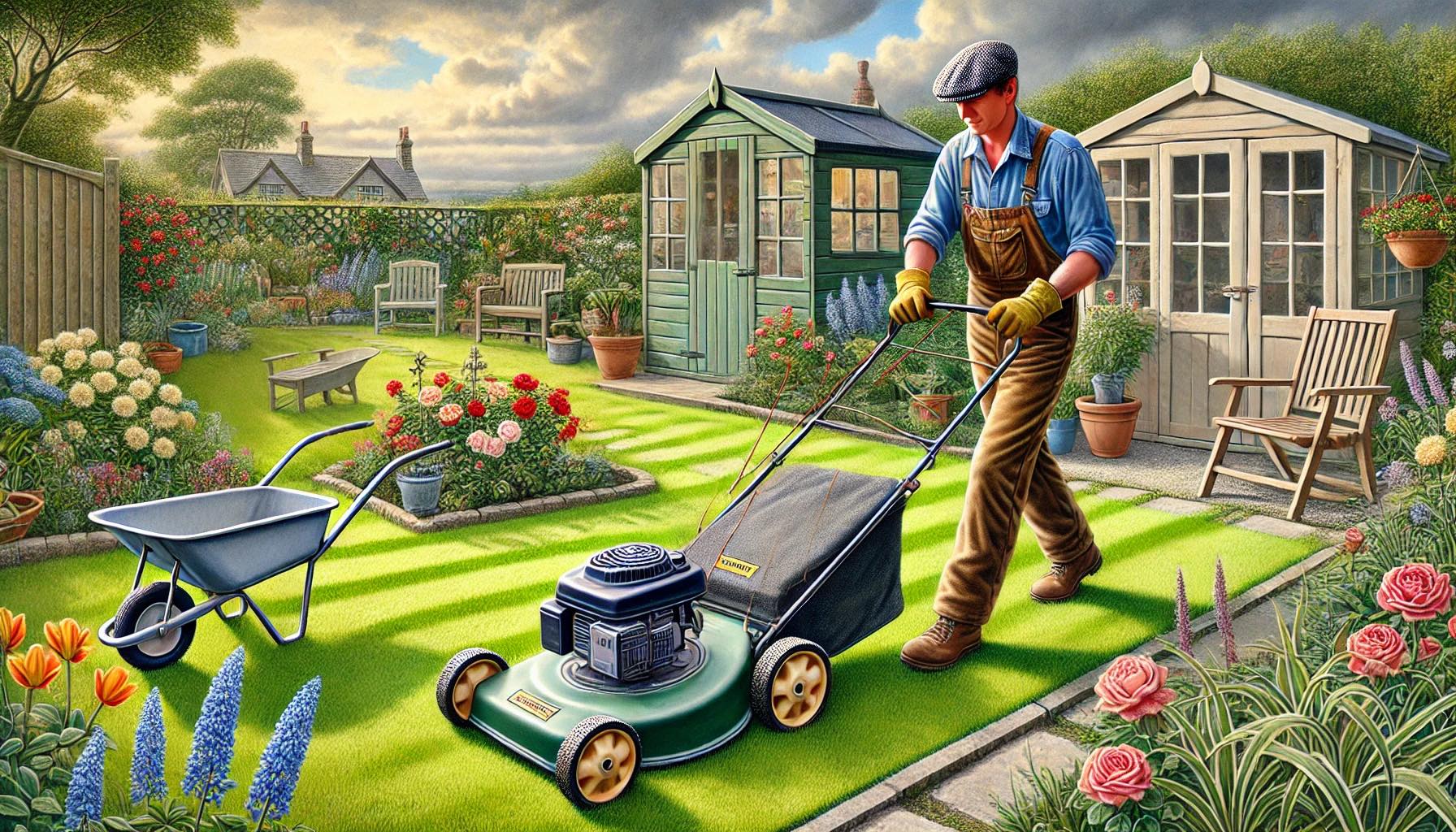
Lawn care in July includes mowing regularly, but avoid cutting the grass too short in hot, dry weather to prevent it from drying out. Water the lawn during prolonged dry periods if local restrictions allow, and consider leaving a section unmown to benefit wildlife. Check for signs of wear or compaction and aerate if necessary.
Wildlife and sustainability tasks involve ensuring fresh water is available for birds, hedgehogs, and other wildlife during hot weather. Avoid using pesticides that could harm beneficial insects, and continue planting pollinator-friendly flowers like sunflowers, zinnias, and cosmos. Let seed heads develop on some plants to provide food for birds later in the year.
July is a time to enjoy the garden at its peak, while staying on top of watering and maintenance to keep it looking its best through the height of summer.
fIND MORE WORK FOR FREE
Subscribe to our facebook group to advertise your gardening business and find people looking for gardeners
