
The Newspaper For Gardeners

Looking Out for Hedgehogs...

Hedgehogs are some of the most endearing creatures in our gardens, but winter...

Prune Apple Trees

Pruning is an essential task for maintaining healthy, productive apple trees. Proper pruning...

Dividing Snowdrops: A Step-by-Step...

Snowdrops (Galanthus spp.) are a cherished sight in late winter, heralding the arrival...

Force Rhubarb: A Gardener’s...

Forcing rhubarb is a traditional gardening technique that produces tender, sweet stalks, perfect...
Monday, January 12, 2026
A-ZBesom

Besom

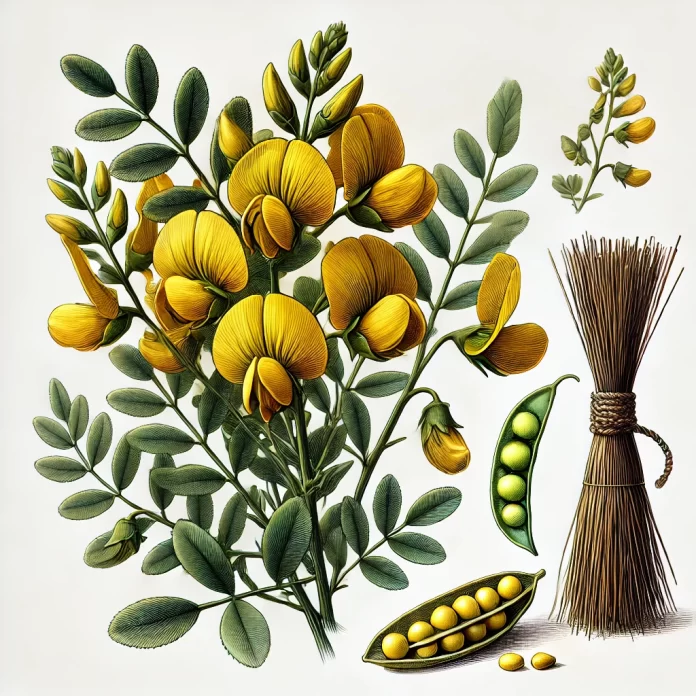
Besom (Cytisus scoparius and Related Species)

Classification:

  • Kingdom: Plantae
  • Clade: Angiosperms
  • Clade: Eudicots
  • Order: Fabales
  • Family: Fabaceae
  • Genus: Cytisus
  • Species: Cytisus scoparius (L.) Link

Common Names:
Broom, Common Broom, Scotch Broom, Besom Broom

Description:
The besom, traditionally referring to a handcrafted broom, is closely associated with the plant Cytisus scoparius, a deciduous shrub in the pea family (Fabaceae). Native to Europe and North Africa, it has naturalized widely in temperate regions across the world. The plant features slender, green, ridged stems that are photosynthetic, allowing it to thrive even in winter. Leaves are small, trifoliate or simple, and often sparse.

In spring and early summer, Cytisus scoparius produces an abundant display of bright yellow, pea-like flowers, which are rich in nectar and attract pollinators. The flowers give way to black seed pods that, upon maturity, dry and split explosively, dispersing seeds several meters away. This adaptation aids in its widespread colonization.

Habitat and Cultivation:
This species is highly adaptable, thriving in poor, sandy, or well-drained soils, often found in heathlands, open woodlands, and roadsides. It prefers full sun and is tolerant of drought conditions. However, it is considered invasive in regions such as North America and Australia due to its aggressive seed dispersal and ability to outcompete native flora.

Uses and Cultural Significance:
Historically, the stiff, wiry branches of Cytisus scoparius were bound together to form besoms—rustic brooms used for sweeping. This practice dates back centuries and was especially common in Britain. The plant was also used in traditional medicine for its diuretic and cardiotonic properties, though it contains alkaloids that can be toxic in high doses.

In folklore, broom plants were associated with cleansing and protection. Besoms became symbolic in European witchcraft traditions, often depicted as the flying implements of witches.

Conservation and Management:
While valued for its historical and cultural significance, Cytisus scoparius is classified as an invasive species in many regions. It is controlled through mechanical removal, grazing, and herbicidal treatments to prevent the spread of its prolific seed bank.

Related Species:
Several other members of the Cytisus and Genista genera, such as Genista tinctoria (Dyer’s Greenweed) and Spartium junceum (Spanish Broom), share similar characteristics and have also been historically used in broom-making.

spot_img

lOOKING FOR MORE WORK?

The free and easy way to get more customers. Just join Find Local Gardeners.

How to diagnose, prevent and treat Box Blight and Box Tree Caterpillar in accordance with UK law Box hedges (Buxus sempervirens and related species) have...
BoltingCategory: Plant Physiology / Growth Disorders Definition:Bolting is the premature production of a flowering stem in plants before the crop has been harvested, typically triggered...
Definition:Blotchy ripening is a physiological disorder primarily observed in fleshy fruits—most notably in tomatoes (Solanum lycopersicum)—where patches of the fruit fail to develop normal...
Blossom End Rot (noun; plant pathology, horticulture) Definition: Blossom end rot is a physiological disorder affecting the fruit of various flowering plants—most notably tomatoes, peppers, aubergines...
Blind (adjective, noun; horticulture, botany) Definition (Botany & Horticulture): In a botanical or horticultural context, blind refers to a plant shoot, bud, or flowering stem that...

Why do my outdoor plants keep dying?

If your outdoor plants keep dying, there could be multiple factors at play. Understanding these factors and addressing them can significantly improve the health and longevity of your plants. Here are some common reasons why outdoor plants may be...

How do I stop slugs from eating my Hostas?

How do I stop slugs from eating my Hostas? Slugs are among the most common and troublesome pests for gardeners growing Hosta ‘Patriot’. These pests are particularly problematic because they thrive in the same moist, shady conditions that Hostas...

How to Grow Hosta ‘Patriot’

Hosta ‘Patriot’ is a popular variety of the Hosta genus, known for its striking variegated leaves featuring bold white edges and dark green centers. This hardy perennial is an excellent choice for shady garden spots, adding texture and color...

How to Grow Geum ‘Totally Tangerine’

Geum ‘Totally Tangerine’ is a vibrant and long-blooming perennial that adds a splash of orange to any garden. With its striking tangerine-colored flowers and attractive foliage, this plant is a favorite among gardeners for its easy care and visual...

Continue reading

Tackling Box Blight and Box Tree Caterpillar Legally in the UK

How to diagnose, prevent and treat Box Blight and Box Tree Caterpillar in accordance with UK law Box hedges (Buxus sempervirens and related species) have long been a staple of British gardens — framing parterres, edging borders, and forming centuries-old...

Bolting

BoltingCategory: Plant Physiology / Growth Disorders Definition:Bolting is the premature production of a flowering stem in plants before the crop has been harvested, typically triggered by environmental stress. It is especially common in leafy vegetables such as lettuce (Lactuca sativa),...

Blotchy Ripening

Definition:Blotchy ripening is a physiological disorder primarily observed in fleshy fruits—most notably in tomatoes (Solanum lycopersicum)—where patches of the fruit fail to develop normal coloration during the ripening process. This results in irregular, often green, yellow, or grey-green areas...

SUBSCRIBE TO OUR YOUTUBE CHANNEL

Plant advice for unusual species plus updates from our tropical garden

SUBSCRIBE