
The Newspaper For Gardeners

Looking Out for Hedgehogs...

Hedgehogs are some of the most endearing creatures in our gardens, but winter...

Prune Apple Trees

Pruning is an essential task for maintaining healthy, productive apple trees. Proper pruning...

Dividing Snowdrops: A Step-by-Step...

Snowdrops (Galanthus spp.) are a cherished sight in late winter, heralding the arrival...

Force Rhubarb: A Gardener’s...

Forcing rhubarb is a traditional gardening technique that produces tender, sweet stalks, perfect...
Friday, January 9, 2026
A-ZAAnbury (Clubroot)

Anbury (Clubroot)

Anbury (Clubroot)

Overview

Scientific Name: Plasmodiophora brassicae (causal organism)
Common Name: Anbury, Clubroot
Type: Soil-borne disease affecting brassicas
Affected Plants: Cabbage, cauliflower, broccoli, Brussels sprouts, turnips, radishes, and other members of the Brassicaceae family

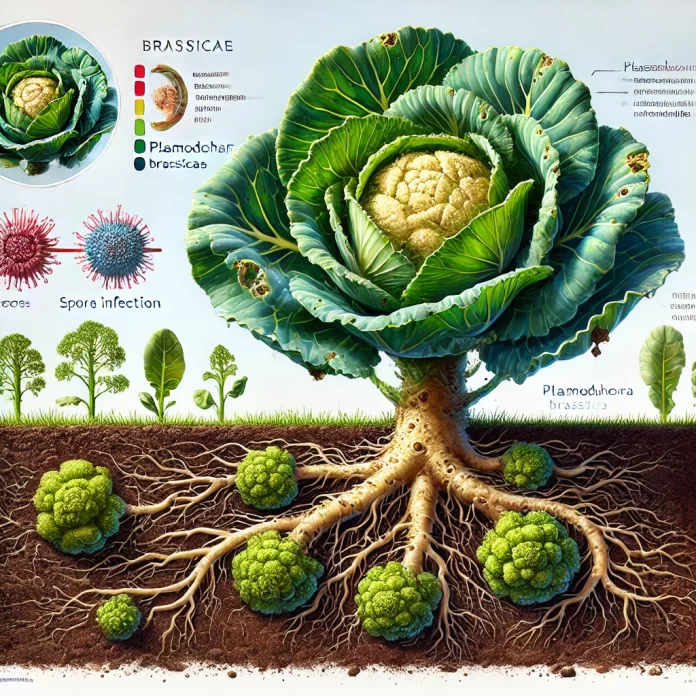
Anbury, commonly known as clubroot, is a destructive soil-borne disease caused by the pathogen Plasmodiophora brassicae. It leads to the swelling and distortion of roots, restricting nutrient uptake and causing wilting, stunted growth, and plant death. The disease is persistent in soil and can remain viable for years, making it a major challenge for brassica growers.

Symptoms and Identification

1. Root Symptoms

  • Swollen, distorted, and club-shaped roots
  • Discoloured, soft, or rotting roots in advanced stages
  • Reduced root function leading to poor water and nutrient absorption

2. Above-Ground Symptoms

  • Wilting, particularly in warm weather
  • Stunted or slow-growing plants
  • Yellowing or purpling of leaves due to nutrient deficiencies
  • Early plant death in severe infections

Causes and Disease Cycle

  • Plasmodiophora brassicae is a soil-borne pathogen that infects root hairs.
  • The disease thrives in acidic, wet soils and spreads via infected soil, water, and contaminated tools.
  • Resting spores can survive in soil for over 10 years, making crop rotation alone ineffective.

Prevention and Control

1. Soil Management

  • Raise soil pH: Lime the soil to pH 7.2 or higher to reduce disease severity.
  • Improve drainage: Avoid waterlogged conditions, as the pathogen spreads more easily in wet soils.

2. Crop Rotation

  • Avoid planting brassicas in infected soil for at least 7 years.
  • Rotate with non-host crops such as onions, beans, or cereals.

3. Resistant Varieties

  • Some clubroot-resistant brassica cultivars are available.
  • Growing resistant varieties reduces the risk of infection but may not eliminate it completely.

4. Hygiene and Prevention

  • Clean tools, boots, and machinery to prevent soil transfer.
  • Use certified, disease-free transplants to avoid introducing clubroot to new areas.

5. Organic and Chemical Control

  • Organic matter: Adding compost or well-rotted manure can improve soil health.
  • Biocontrol agents: Some beneficial fungi and bacteria can help suppress Plasmodiophora brassicae.
  • Fungicides: There are limited chemical treatments, but some soil treatments may reduce pathogen levels.

History of Anbury in the UK

Anbury has been recorded in the UK for centuries, particularly in areas where brassicas have been cultivated extensively. Historically, farmers recognized it as a devastating disease that could ruin entire crops. Before modern disease control methods, liming the soil was one of the earliest recommended practices to reduce infections.

In the 19th and early 20th centuries, anbury was a major concern for market gardeners and rural farms. With the rise of commercial brassica farming, researchers focused on soil health, crop rotation, and resistant varieties to combat the disease. Despite these efforts, anbury remains a persistent problem in some areas, particularly where brassicas are grown repeatedly.

Legal Status and Control in the UK

Anbury (clubroot) is not a regulated disease in the UK, but it is a widespread and serious problem for brassica growers. DEFRA and the AHDB (Agriculture and Horticulture Development Board) provide guidance on managing the disease. Farmers and gardeners should take preventive measures, as there is no chemical cure once soil becomes infected.

For commercial growers, soil testing and careful rotation planning are essential to avoid economic losses. Gardeners can take similar steps by monitoring plant health, improving drainage, and maintaining good soil hygiene.


spot_img

lOOKING FOR MORE WORK?

The free and easy way to get more customers. Just join Find Local Gardeners.

If your Washingtonia robusta leaves are turning yellow, there could be several reasons behind this issue. Here are some common factors that can contribute...
Does Hollyhock Rust Spread to Other Plants? Hollyhock rust is one of the most common and frustrating diseases gardeners encounter when growing hollyhocks. The appearance...
How to diagnose, prevent and treat Box Blight and Box Tree Caterpillar in accordance with UK law Box hedges (Buxus sempervirens and related species) have...
BoltingCategory: Plant Physiology / Growth Disorders Definition:Bolting is the premature production of a flowering stem in plants before the crop has been harvested, typically triggered...
Definition:Blotchy ripening is a physiological disorder primarily observed in fleshy fruits—most notably in tomatoes (Solanum lycopersicum)—where patches of the fruit fail to develop normal...

How to grow Melianthus Major

Melianthus major, commonly known as honey bush or giant honey flower, is an unusual and attractive perennial plant native to South Africa. It has unique blue-green foliage and produces interesting reddish-brown flowers. Here’s a guide on how to grow...

How to grow and care for Rodgersia ‘Bronze Peacock’

Rodgersia ‘Bronze Peacock’ is a striking perennial plant known for its bronze-colored foliage and attractive plumes of flowers. It grows to about one meter tall. Here’s a guide on how to grow and care for this beautiful plant: Planting and...

How to grow Salvia Amistad

Salvia ‘Amistad’ is a beautiful perennial plant known for its striking deep purple flowers and velvety green leaves. Here’s a guide on how to grow Salvia ‘Amistad’: Climate and location: Salvia ‘Amistad’ thrives in warm climates, ideally in USDA hardiness...

Digiplexis ‘Falcon Fire’

Digiplexis ‘Falcon Fire’ is considered to be marginally frost hardy. It is typically hardy in USDA hardiness zones 8-10, where it can withstand temperatures down to about 20°F (-6°C). In colder regions, it may not survive freezing temperatures and...

Continue reading

Why are my washingtonia robusta leaves going yellow?

If your Washingtonia robusta leaves are turning yellow, there could be several reasons behind this issue. Here are some common factors that can contribute to yellowing leaves on Washingtonia robusta: Natural Aging: It is normal for older leaves to turn...

Does hollyhock rust spread to other plants

Does Hollyhock Rust Spread to Other Plants? Hollyhock rust is one of the most common and frustrating diseases gardeners encounter when growing hollyhocks. The appearance of orange-brown pustules on the leaves often raises an immediate concern: will it spread to...

Tackling Box Blight and Box Tree Caterpillar Legally in the UK

How to diagnose, prevent and treat Box Blight and Box Tree Caterpillar in accordance with UK law Box hedges (Buxus sempervirens and related species) have long been a staple of British gardens — framing parterres, edging borders, and forming centuries-old...

SUBSCRIBE TO OUR YOUTUBE CHANNEL

Plant advice for unusual species plus updates from our tropical garden

SUBSCRIBE