
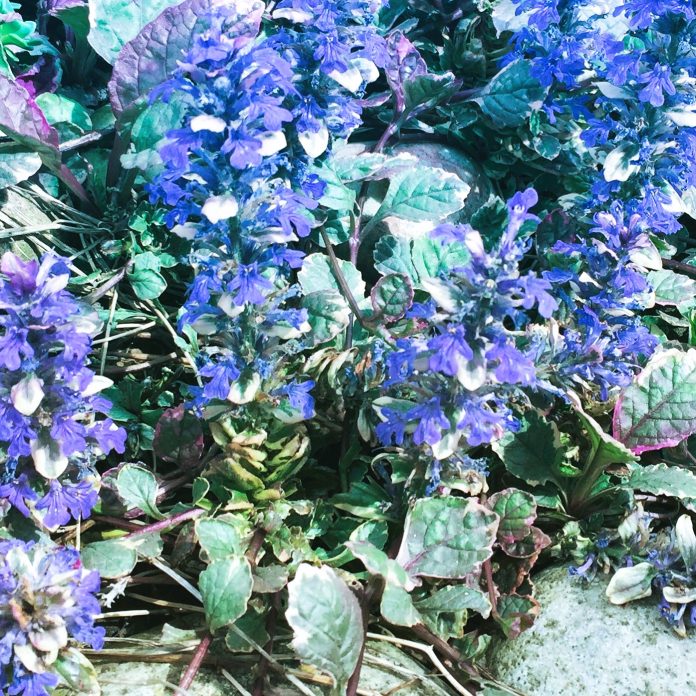
Ajuga (Bugleweed) Grow Guide
Ajuga, commonly known as Bugleweed, is a low-maintenance, fast-spreading ground cover that thrives in a variety of conditions. It is valued for its attractive foliage and vibrant spring flower spikes, making it an excellent choice for filling gaps in borders, suppressing weeds, and adding year-round interest to the garden.
Botanical Name: Ajuga reptans
Common Names: Bugleweed, Carpet Bugle
Plant Type: Evergreen perennial
Hardiness Zones: USDA 3–10 (UK: Fully hardy)
Height & Spread: 10–15 cm tall, spreads indefinitely via runners
Flowering Period: April–June
Growing Conditions
Light: Prefers partial shade but tolerates full sun in cooler climates. Too much sun can cause leaf scorch in some varieties.
Soil: Moist, well-drained soil is ideal. Ajuga thrives in a range of soil types, including clay, loam, and sandy soil, as long as it is not overly dry.
Watering: Moderate watering is needed, especially in dry spells. It prefers consistently moist soil but can tolerate short periods of drought.
Temperature & Humidity: Hardy and adaptable. Prefers temperate climates but withstands heat and humidity with adequate moisture.
Feeding: Generally low-maintenance but benefits from a light application of compost or balanced fertilizer in spring.
Planting & Propagation
- Planting Time: Spring or autumn is best for establishment.
- Spacing: 20–30 cm apart to allow for spreading.
- Propagation: Easily propagated by division in spring or autumn. Simply lift and separate clumps, replanting sections in prepared soil.
Care & Maintenance
- Pruning: Trim back runners if spreading is excessive. Cutting back spent flower spikes can encourage fresh growth.
- Weeding: Once established, Ajuga forms a dense mat that suppresses weeds effectively.
- Mulching: A thin layer of mulch in spring helps retain moisture and improve soil structure.
- Pests & Diseases: Generally trouble-free, but crown rot can occur in poorly drained soils. Ensure good air circulation to prevent fungal issues.
Best Uses in the Garden
- Ground cover for shady or difficult areas.
- Underplanting for shrubs and trees.
- Edging for pathways and borders.
- Container planting for a cascading effect.
Popular Varieties
- Ajuga reptans ‘Atropurpurea’ – Bronze-purple leaves with blue flowers.
- Ajuga reptans ‘Burgundy Glow’ – Variegated pink, cream, and green foliage.
- Ajuga reptans ‘Catlin’s Giant’ – Larger leaves and deep blue flowers.
- Ajuga reptans ‘Chocolate Chip’ – Compact with narrow, dark foliage.
Ajuga is an excellent, low-maintenance plant for bringing colour and texture to the garden, even in tricky spots. With minimal care, it provides an attractive ground cover that enhances borders, woodland gardens, and shady spaces.