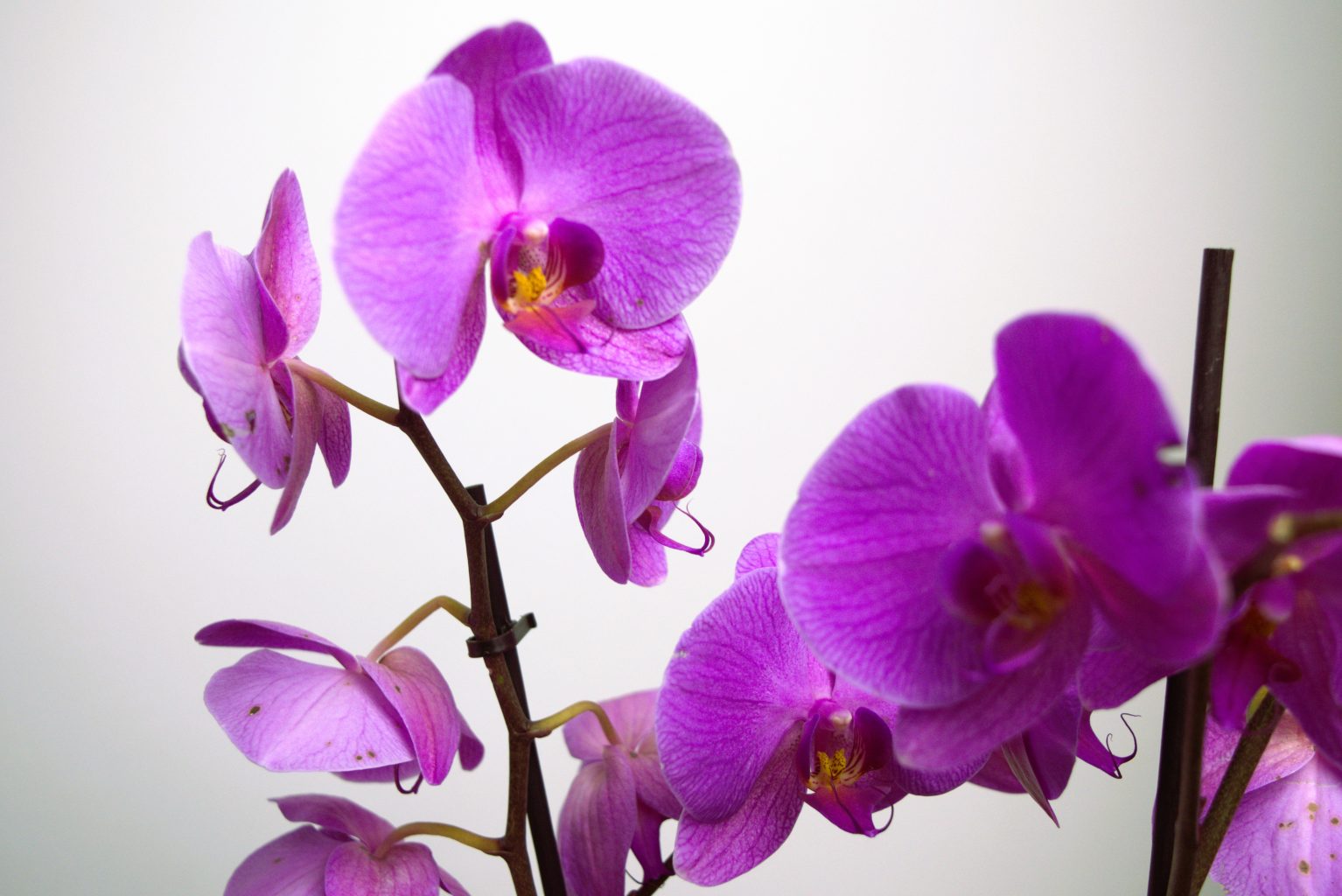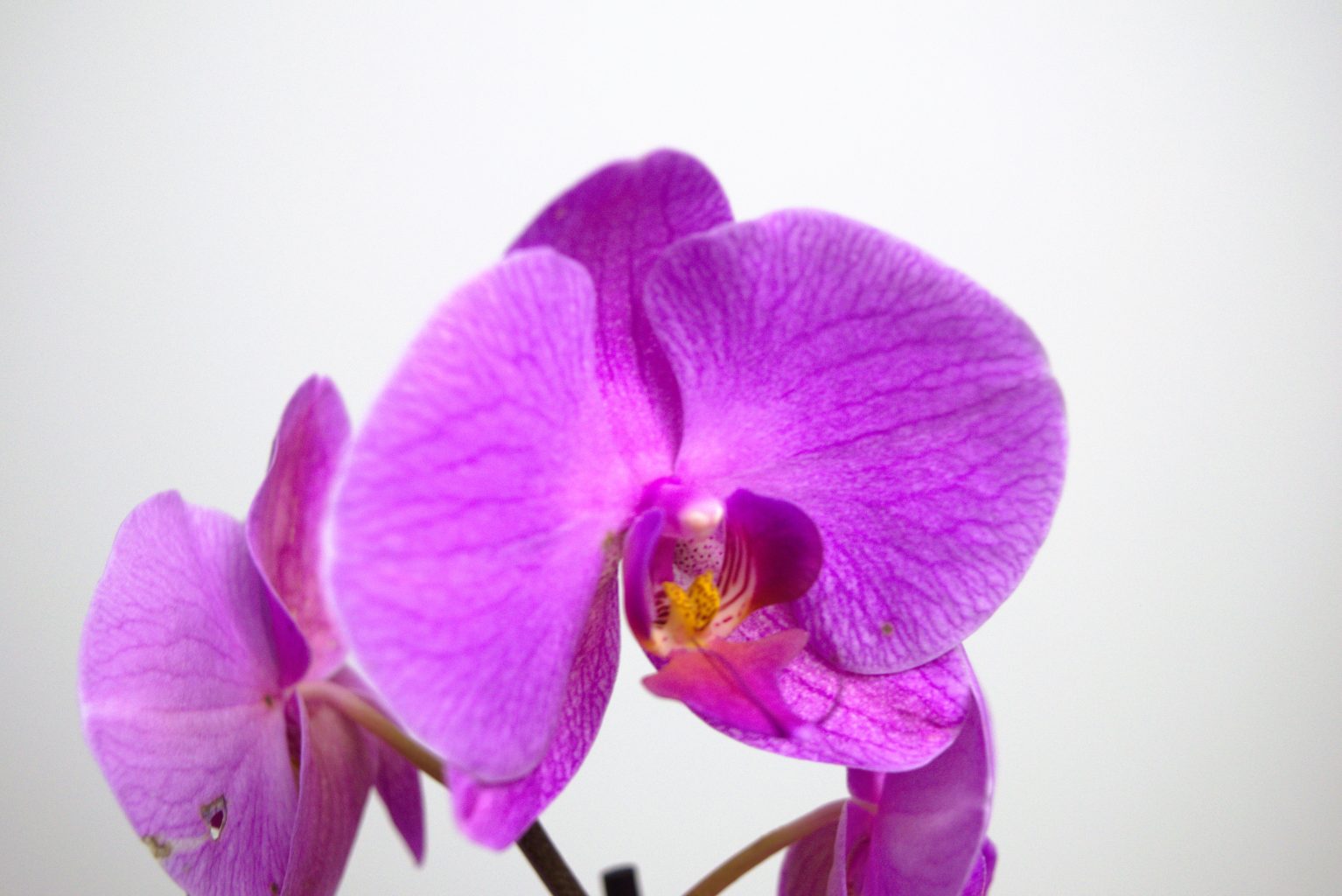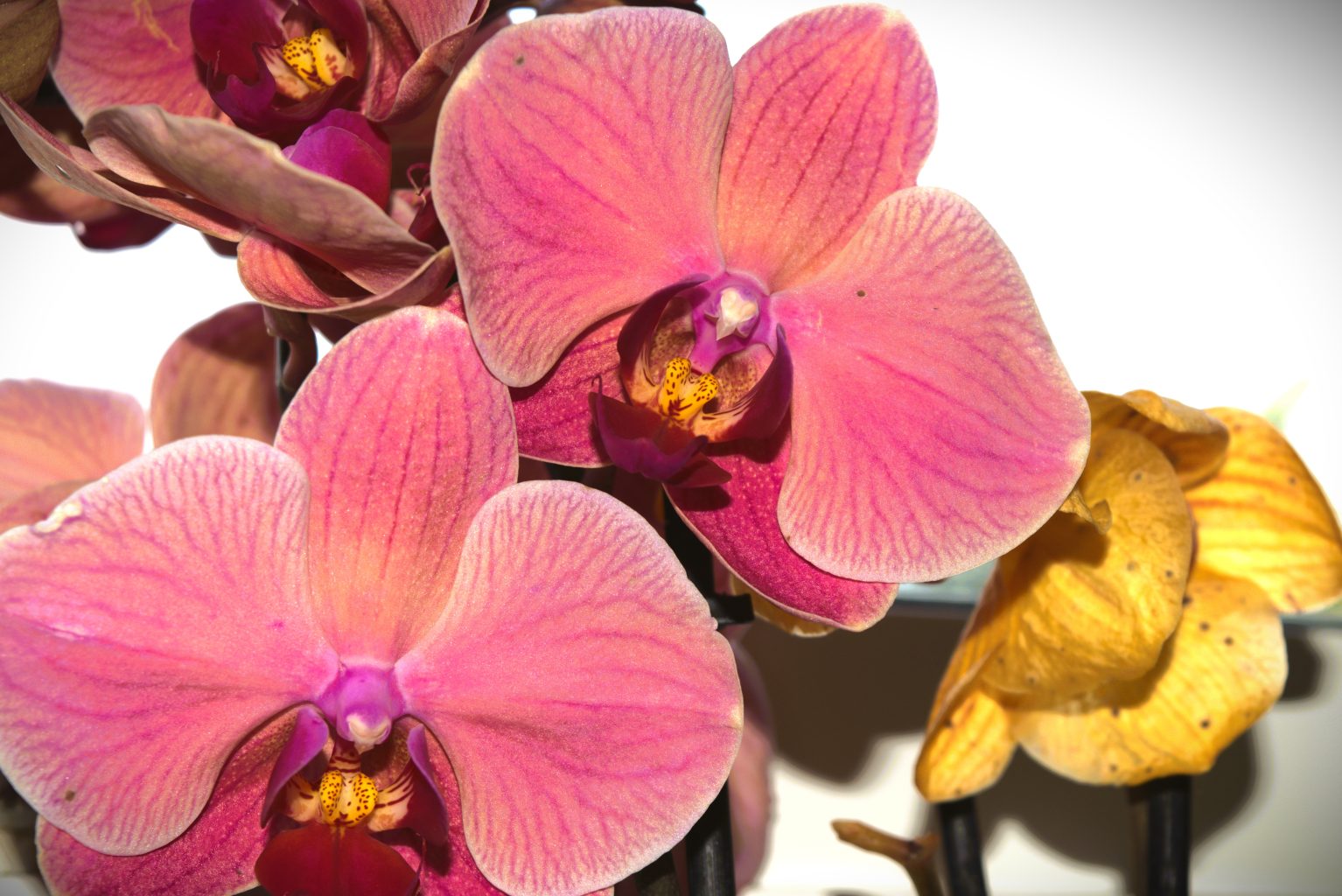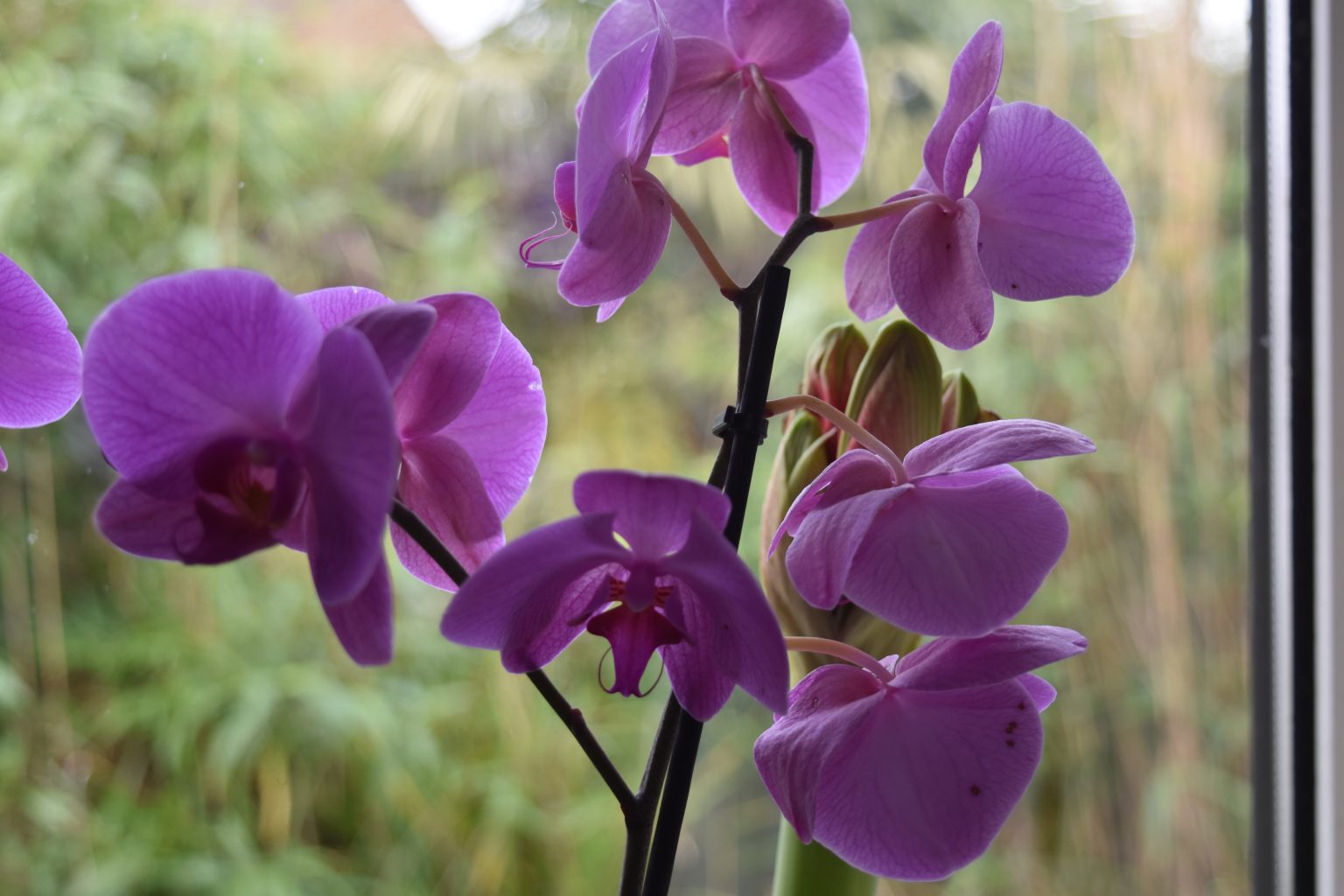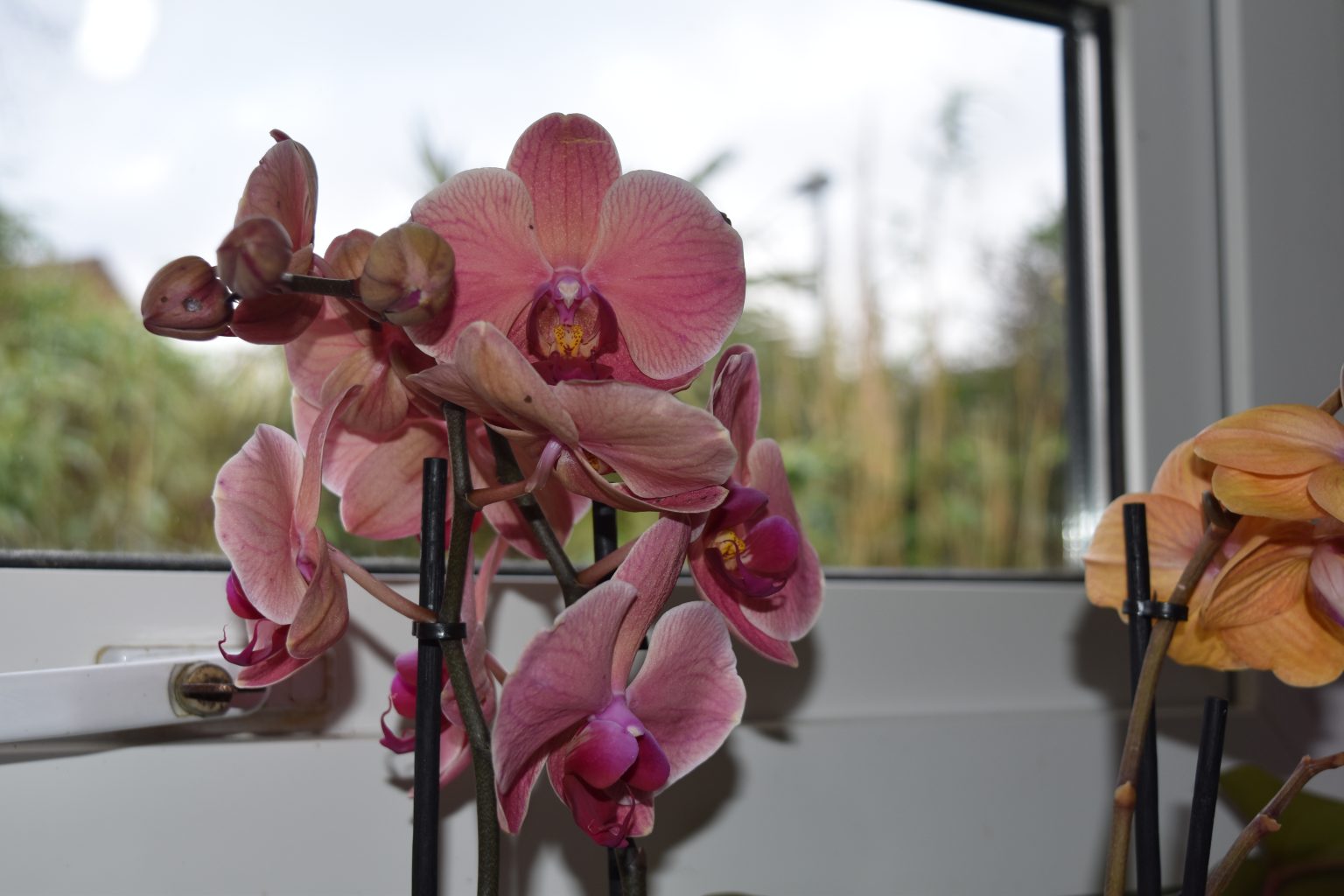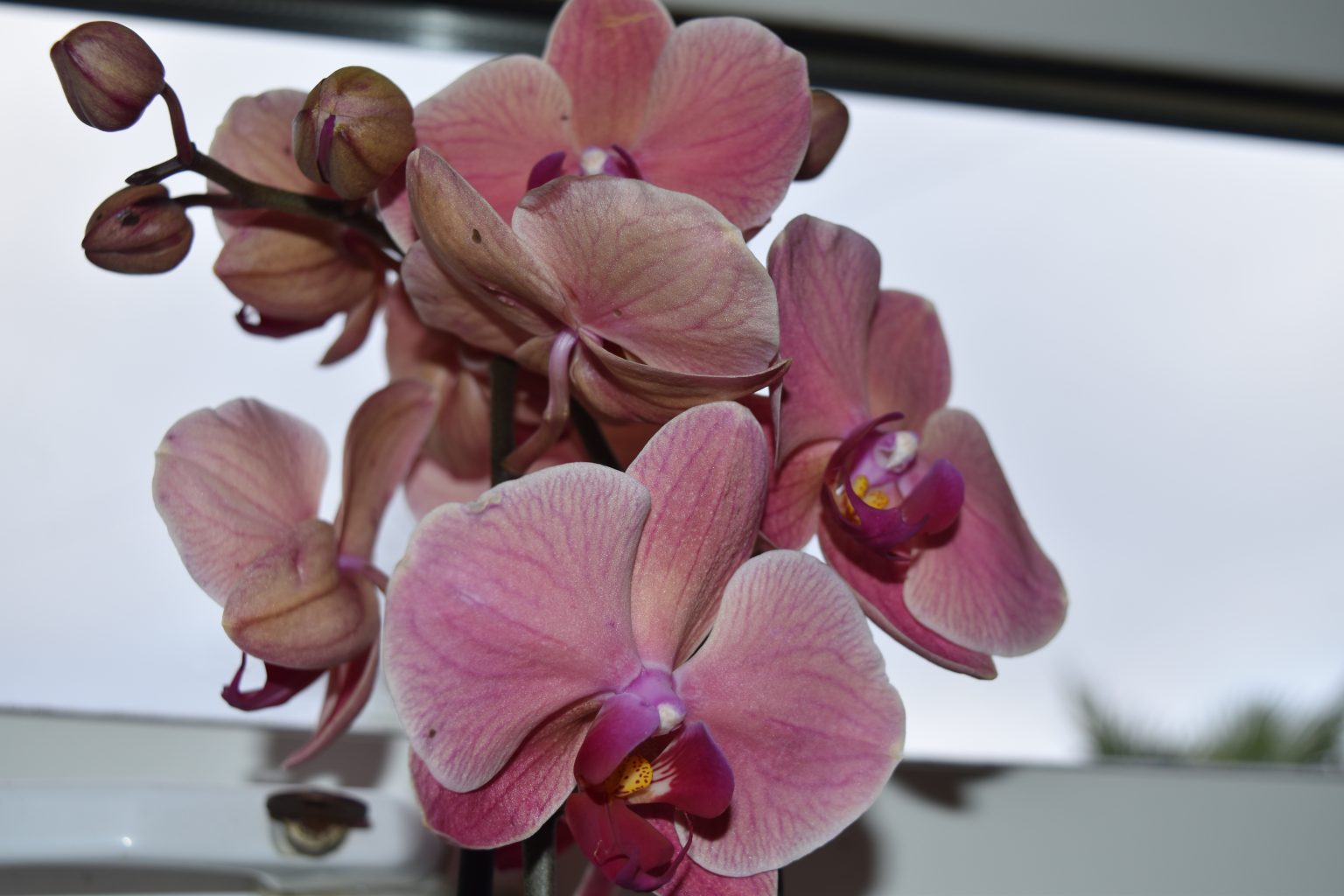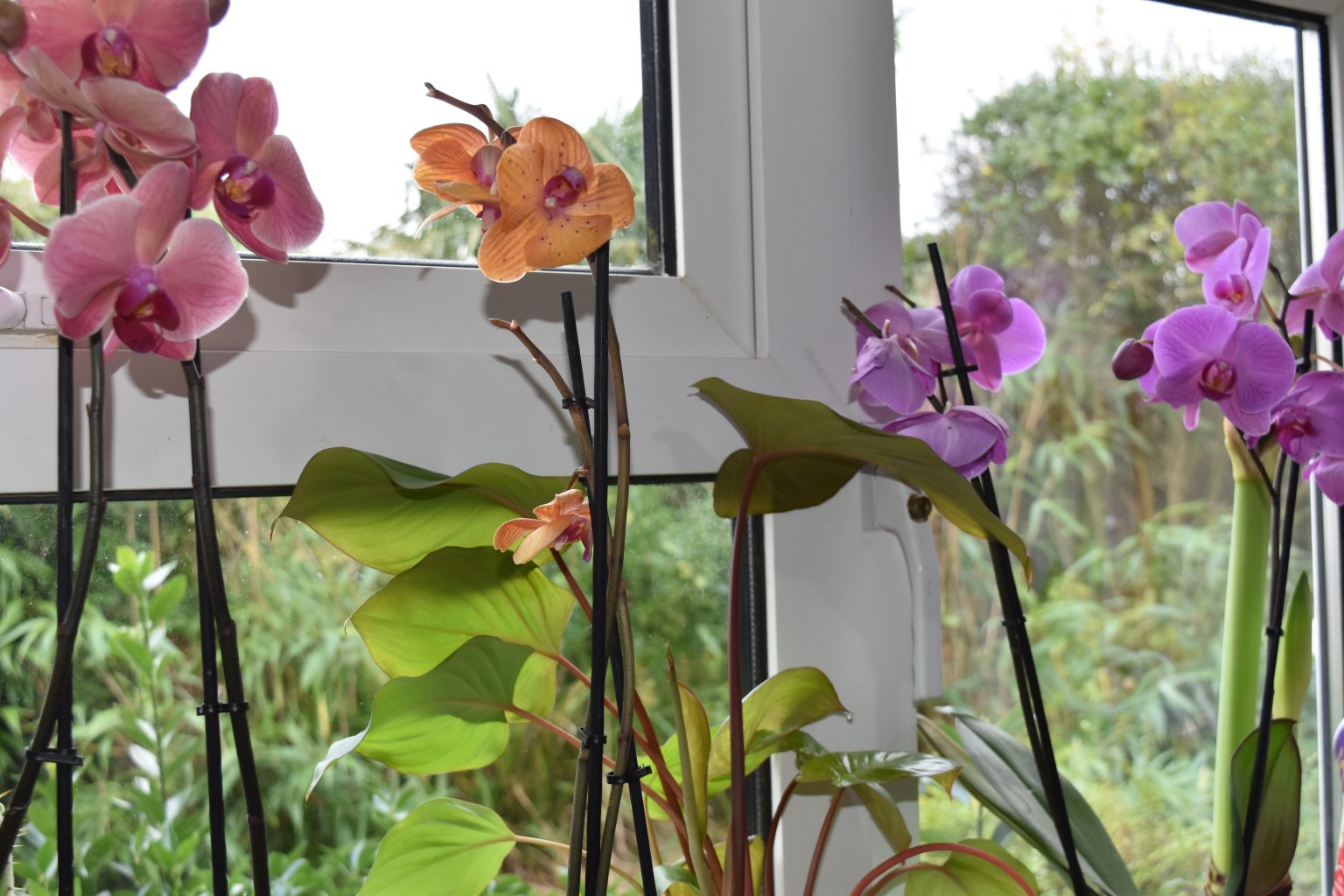

Orchids are mesmerizing plants, and with proper care, they can thrive and flower even in the UK. Whether you’re growing tropical species indoors or hardy types in the garden, understanding their flowering times, dormancy, and care needs is essential. Here’s a detailed month-by-month guide to help you grow and enjoy orchids all year round.
January: Winter Care and Rest Period
- Flowering: Phalaenopsis orchids often flower now, providing winter blooms indoors.
- Indoor Orchids: Keep in a bright, draft-free spot at 18–22°C. Water sparingly, allowing the potting medium to dry slightly between waterings.
- Hardy Orchids: Fully dormant. Ensure mulched garden beds protect them from frost and avoid waterlogging.
February: Emerging Growth
- Flowering: Phalaenopsis and some Dendrobium hybrids may still flower indoors.
- Indoor Orchids: Gradually increase watering as the days grow longer. Begin feeding lightly every 2–3 weeks.
- Hardy Orchids: Monitor for signs of new shoots. Check soil drainage and remove any excess mulch.
March: Awakening
- Flowering: Oncidium and some Dendrobium species might produce late blooms indoors.
- Indoor Orchids: Increase watering and mist foliage to maintain humidity. Use a weak orchid fertilizer every two weeks.
- Hardy Orchids: Emerging shoots indicate the growing season. Water consistently but avoid saturation.
April: Active Growth
- Flowering: Some Cymbidium orchids bloom now, particularly if grown in cooler conditions.
- Indoor Orchids: Position orchids like Cymbidium in bright, filtered light. Continue regular watering and feeding.
- Hardy Orchids: Growth accelerates. Protect young shoots from late frosts with fleece if needed.
May: Late Spring Growth
- Flowering: Cymbidium blooms may persist; hardy orchids like Anacamptis pyramidalis start forming buds.
- Indoor Orchids: Move suitable orchids, like Cymbidium, outdoors to a shaded area after the last frost.
- Hardy Orchids: Monitor for pests like slugs and snails and ensure consistent moisture levels.
June: Early Summer Blooms
- Flowering: Hardy orchids, such as Orchis mascula and Dactylorhiza fuchsii, flower this month. Indoor Cattleya may bloom now if cared for properly.
- Indoor Orchids: Keep them in bright, indirect light. Continue feeding every 1–2 weeks during the active growth phase.
- Hardy Orchids: Enjoy vibrant flowers in your garden. Ensure consistent moisture to sustain blooming.
July: Peak Flowering
- Flowering: Many hardy orchids are at their peak, including Dactylorhiza and Epipactis. Indoor orchids like Cattleya and Dendrobium hybrids often flower now.
- Indoor Orchids: Maintain good air circulation and avoid hot, direct sunlight. Keep feeding while orchids are in bloom.
- Hardy Orchids: Deadhead spent flowers unless seed formation is desired. Keep the area weed-free.
August: Sustained Care
- Flowering: Some Dendrobium and Cattleya species may still flower. Hardy orchids are entering their post-flowering phase.
- Indoor Orchids: Reduce feeding slightly as flowering slows. Keep checking for pests and diseases.
- Hardy Orchids: Tidy up flower stalks as they die back. Continue to water moderately.
September: Transition to Dormancy
- Flowering: Occasional blooms from Phalaenopsis or Cymbidium may start forming as days shorten.
- Indoor Orchids: Gradually reduce watering and feeding. Move cool-growing species like Cymbidium to a spot with lower temperatures (16–18°C).
- Hardy Orchids: Apply a light mulch layer to protect against the cooler nights.
October: Final Preparations
- Flowering: Early Phalaenopsis buds may start to form for winter blooms.
- Indoor Orchids: Prepare resting orchids like Dendrobium by reducing water further. Maintain humidity levels around 40–60%.
- Hardy Orchids: Ensure the garden beds are clear of debris to prevent pest or disease issues.
November: Rest Period Begins
- Flowering: Phalaenopsis orchids often bloom again, adding colour to dark winter days.
- Indoor Orchids: Water minimally for orchids in dormancy, such as Oncidium. Keep blooms clean by misting with care.
- Hardy Orchids: Allow plants to rest undisturbed. Add mulch as frost protection.
December: Minimal Maintenance
- Flowering: Phalaenopsis and some Dendrobium hybrids continue to flower beautifully indoors.
- Indoor Orchids: Continue enjoying the blooms. Water sparingly and avoid moving plants unnecessarily.
- Hardy Orchids: Fully dormant. Review care routines and plan for next year.
Key Flowering Periods by Variety
- Phalaenopsis: Winter to early spring (November–March).
- Cymbidium: Late winter to spring (February–May).
- Cattleya: Summer to early autumn (June–September).
- Dendrobium: Winter and summer, depending on species (December–March and July–August).
- Hardy Orchids: Late spring to summer (May–July).
By following this detailed month-by-month guide, you can ensure your orchids stay healthy and bloom beautifully, bringing joy to your home and garden throughout the year.