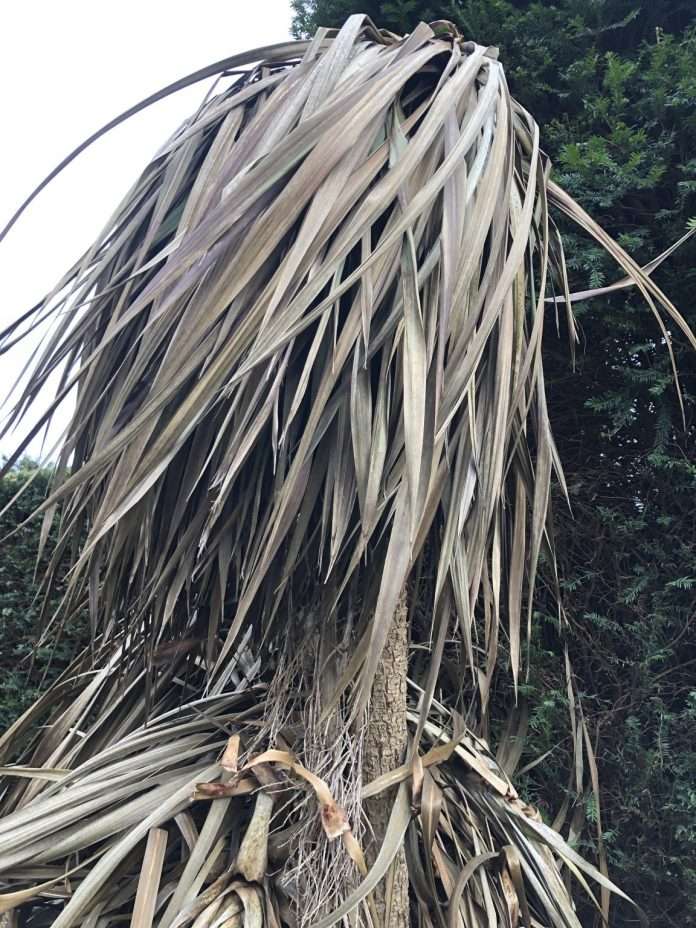
If your outdoor plants keep dying, there could be multiple factors at play. Understanding these factors and addressing them can significantly improve the health and longevity of your plants. Here are some common reasons why outdoor plants may be dying and tips on how to remedy each issue:
1. Watering Issues
Overwatering
- Symptoms: Yellowing leaves, root rot, and wilting.
- Solution: Ensure the soil has good drainage. Water only when the top inch of soil is dry. Avoid waterlogging by using raised beds or well-draining soil mixes.
Underwatering
- Symptoms: Wilting, dry soil, and brown leaf edges.
- Solution: Water deeply and regularly, especially during dry periods. Use mulch to retain soil moisture.
2. Soil Problems
Poor Soil Quality
- Symptoms: Stunted growth, yellowing leaves, and poor root development.
- Solution: Amend the soil with compost or organic matter to improve fertility, structure, and drainage. Test the soil pH and adjust as necessary to match the needs of your plants.
Soil Compaction
- Symptoms: Poor drainage, shallow root systems, and poor growth.
- Solution: Aerate the soil by tilling or using a garden fork. Incorporate organic matter to improve soil structure.
3. Pests and Diseases
Insect Pests
- Symptoms: Holes in leaves, sticky residue, and visible insects.
- Solution: Identify the pests and use appropriate organic or chemical controls. Encourage natural predators like ladybugs and birds.
Fungal, Bacterial, or Viral Diseases
- Symptoms: Discolored spots, mold, wilting, and dieback.
- Solution: Remove and destroy affected plant parts. Use disease-resistant plant varieties and apply fungicides or bactericides if necessary. Ensure good air circulation around plants.
4. Environmental Stress
Temperature Extremes
- Symptoms: Scorched leaves, frost damage, and wilting.
- Solution: Protect plants from extreme heat with shade cloths and from frost with coverings or by bringing potted plants indoors during cold snaps.
Sunlight Issues
- Symptoms: Scorched leaves (too much sun) or leggy growth (too little sun).
- Solution: Ensure plants are placed in the correct lighting conditions for their needs. Provide shade for plants that require partial sun and prune surrounding foliage to increase sunlight for plants that need more light.
5. Nutrient Deficiencies
Lack of Essential Nutrients
- Symptoms: Yellowing leaves, poor growth, and reduced flowering.
- Solution: Fertilize appropriately with balanced fertilizers or specific nutrients based on a soil test. Use slow-release fertilizers to provide consistent nutrient availability.
6. Improper Planting
Planting Depth
- Symptoms: Poor growth and root development issues.
- Solution: Ensure plants are planted at the correct depth. The top of the root ball should be level with the soil surface.
Transplant Shock
- Symptoms: Wilting, leaf drop, and poor growth after planting.
- Solution: Water thoroughly after planting and consider using a transplant fertilizer. Minimize root disturbance during planting.
7. Lack of Care and Maintenance
Pruning and Deadheading
- Symptoms: Overgrown, leggy plants, reduced flowering.
- Solution: Regularly prune and deadhead plants to promote healthy growth and flowering. Remove dead or diseased plant parts promptly.
Weed Competition
- Symptoms: Stunted growth, reduced flowering, and poor health.
- Solution: Regularly weed your garden to reduce competition for water and nutrients. Use mulch to suppress weed growth.
8. Specific Plant Needs
Plant-Specific Requirements
- Symptoms: General poor health and failure to thrive.
- Solution: Research the specific needs of each plant species, including water, light, soil, and nutrient requirements. Group plants with similar needs together.
Conclusion
Identifying the specific cause of plant mortality in your garden requires careful observation and sometimes a bit of trial and error. By addressing the common issues of watering, soil quality, pests and diseases, environmental stress, nutrient deficiencies, planting techniques, maintenance practices, and specific plant needs, you can create a more hospitable environment for your outdoor plants to thrive. Regular monitoring and adjustments based on plant responses will help ensure a healthy and vibrant garden.