
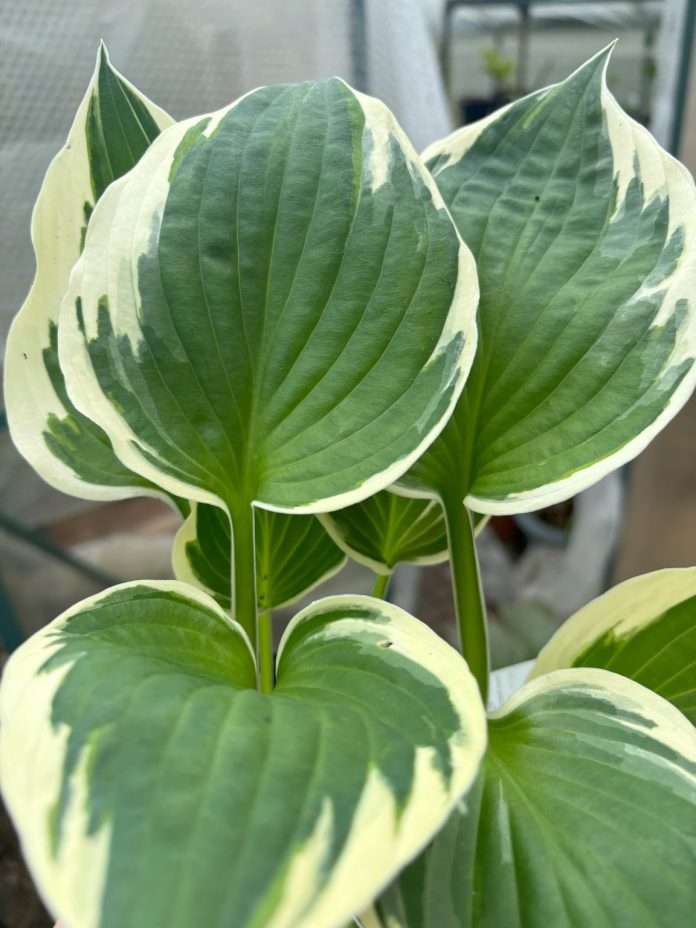
Hosta ‘Patriot’ is a popular variety of the Hosta genus, known for its striking variegated leaves featuring bold white edges and dark green centers. This hardy perennial is an excellent choice for shady garden spots, adding texture and color to your landscape. Here’s a comprehensive guide on how to grow Hosta ‘Patriot’.
Choosing the Right Location
Hosta ‘Patriot’ thrives in partial to full shade. While it can tolerate some morning sun, too much direct sunlight can scorch its leaves. A spot with dappled sunlight or consistent shade is ideal. Ensure the chosen location has well-draining soil to prevent waterlogged roots.
Soil Preparation
Hostas prefer rich, loamy soil that retains moisture without becoming waterlogged. Before planting, amend the soil with organic matter such as compost or well-rotted manure to enhance fertility and drainage. Aim for a slightly acidic to neutral soil pH between 6.0 and 7.0.
Planting
- Timing: Plant Hosta ‘Patriot’ in the spring or early autumn. These periods allow the plant to establish roots before extreme temperatures set in.
- Spacing: Space the plants about 1 to 1.5 feet apart to allow room for their mature size and spread.
- Depth: Dig a hole twice the width of the root ball and deep enough to accommodate it. The top of the root ball should be level with the soil surface. Place the plant in the hole, backfill with soil, and firm it gently around the roots.
- Watering: Water thoroughly after planting to help settle the soil around the roots.
Watering and Feeding
Hosta ‘Patriot’ requires consistent moisture, especially during the growing season. Water deeply to keep the soil evenly moist but not soggy. Mulch around the plant with organic mulch to help retain moisture and suppress weeds.
Feed the plant in early spring with a balanced, slow-release fertilizer to encourage healthy growth. A second feeding in mid-summer can help sustain its vigor. Avoid high-nitrogen fertilizers, which can promote foliage at the expense of blooms.
Pruning and Maintenance
- Pruning: Remove dead or yellowing leaves throughout the growing season to keep the plant looking tidy. In autumn, cut back the foliage after it dies back naturally. This helps reduce pest and disease issues.
- Pests and Diseases: Hostas are susceptible to slugs, snails, and deer. Use organic slug pellets or traps to protect young foliage. Fencing or repellents may be necessary in areas with high deer populations.
- Division: Divide Hosta ‘Patriot’ every 3-4 years in spring or early autumn to prevent overcrowding and rejuvenate the plant. Dig up the clump, separate it into smaller sections with a sharp knife or spade, and replant immediately.
Overwintering
Hosta ‘Patriot’ is hardy in USDA zones 3-9. In colder regions, provide a layer of mulch or straw over the plant in late autumn to protect the roots from freezing temperatures. In milder climates, Hostas can usually survive winter without additional protection.
Design Tips
Hosta ‘Patriot’ is a versatile plant that pairs well with other shade-loving perennials such as ferns, astilbes, and heucheras. It makes an excellent ground cover or edging plant for shady borders, woodland gardens, or under trees and shrubs. Its bold foliage contrasts beautifully with finer-textured plants, adding visual interest to your garden design.
Conclusion
Growing Hosta ‘Patriot’ is a rewarding endeavor for any gardener looking to add elegance and color to their shaded garden areas. With its attractive variegated leaves and easy-care nature, this perennial is a standout choice. By providing the right conditions and care, you can enjoy the beauty of Hosta ‘Patriot’ for many years.
Hosta ‘Patriot’ – Grow Guide
Common name: Plantain Lily
Family: Asparagaceae
Plant type: Herbaceous perennial
Hardiness: RHS H7 – fully hardy across the UK
Height & spread: 45–60 cm tall × 60–90 cm wide
Overview
Hosta ‘Patriot’ is a classic, striking foliage plant prized for its bold, heart-shaped leaves with bright green centres and broad creamy-white margins. Slow-growing and clump-forming, it provides year-round architectural interest in shade or partial shade gardens. Its upright flower spikes of lavender blooms in summer also attract pollinators, making it an ideal plant for woodland borders, shade gardens, and mixed perennial borders.
Position
- Partial to full shade
- Flowers and foliage colour are best in dappled or bright shade
- Tolerates morning sun but avoid hot afternoon sun, which can scorch leaves
Soil
- Moist, fertile, humus-rich soil
- Slightly acidic to neutral (pH 6.0–7.0)
- Performs poorly in dry, shallow, or poorly drained soils
Planting
- Plant in spring or autumn
- Space 60–90 cm apart to allow full clump development
- Mulch after planting to retain moisture and suppress weeds
Watering
- Keep soil evenly moist, especially in the first year
- Established plants tolerate short dry periods
- Mulching helps maintain soil moisture and reduces temperature fluctuations
Feeding
- Apply well-rotted compost or manure in spring
- Light feed with a balanced fertiliser in early summer if growth is slow
- Avoid over-fertilising, which can encourage leaf but not flower growth
Growth & Habit
- Forms a dense, upright clump of variegated leaves
- Leaves are medium to large, heart-shaped, with cream margins
- Summer flower spikes rise above the foliage, lavender-blue, bell-shaped flowers
Flowering
- Months: July–August
- Flowers: Lavender-blue on tall, upright scapes
- Pollinators, especially bees and butterflies, are attracted to the flowers
Maintenance
- Remove dead leaves or damaged foliage during the season
- Cut back flower stems after flowering to tidy the plant
- Mulch in autumn to protect roots over winter
- Divide clumps every 4–5 years to rejuvenate growth
Pests & Problems
- Slugs and snails can attack young leaves
- Generally resistant to most diseases
- Leaf scorch can occur in strong sun or drought conditions
Propagation
- Division in spring or autumn is easiest and most reliable
- Seed propagation is possible but rarely used for named cultivars
Garden & Display Use
- Shade and woodland borders
- Mixed perennial plantings
- Containers in shaded patios or terraces
- Pairs well with:
- Ferns
- Heuchera
- Astilbes
- Brunnera
Quick Reference Table
| Feature | Details |
|---|---|
| Hardiness | RHS H7 |
| Height | 45–60 cm |
| Spread | 60–90 cm |
| Flowering | July–August |
| Position | Partial to full shade |
| Soil | Moist, fertile, humus-rich; pH 6.0–7.0 |
| Water | Keep evenly moist; mulch recommended |
| Feeding | Compost/manure in spring; balanced feed if needed |
| Propagation | Division in spring or autumn |
| Best feature | Variegated heart-shaped foliage and upright lavender flowers |