
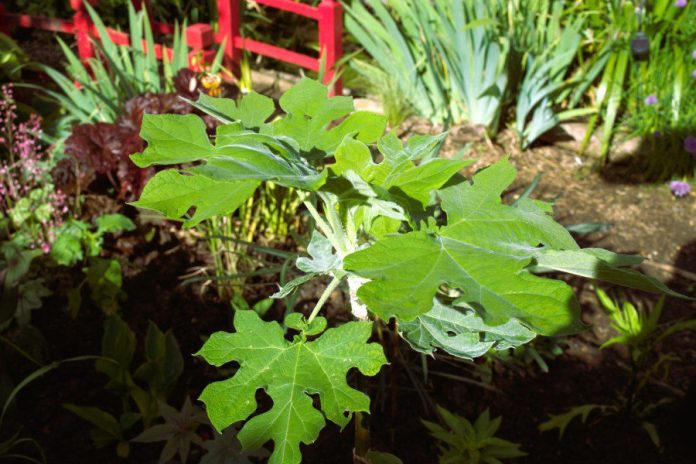
Tree Daisy, scientifically known as Montanoa grandiflora, is a stunning ornamental plant known for its large, daisy-like flowers and lush foliage. Native to Mexico and Central America, it is prized for its rapid growth and ability to bring a tropical feel to gardens. This guide will take you through the essential steps on how to grow Montanoa grandiflora.
Understanding Tree Daisy
Tree Daisy belongs to the Asteraceae family and can grow up to 10-15 feet tall. It features large, fragrant white flowers with yellow centers, blooming in late fall to early winter. Its leaves are deeply lobed and can reach up to 10 inches in length, adding to its decorative appeal.
Site Selection
Choosing the right location for your Tree Daisy is crucial for its health and growth. Here are key factors to consider:
- Sunlight: Tree Daisy thrives in full sun to partial shade. Ensure it receives at least 6 hours of direct sunlight daily.
- Soil: The plant prefers well-draining soil rich in organic matter. A slightly acidic to neutral pH (6.0-7.0) is ideal.
- Space: Given its potential size, ensure ample space for growth. Planting them too close to other plants or structures can lead to competition for resources and hinder growth.
Planting Tree Daisy
Follow these steps for planting Tree Daisy:
- Preparation: Prepare the planting site by removing weeds and debris. Loosen the soil to a depth of 12-15 inches and mix in compost or well-rotted manure to improve soil fertility and drainage.
- Digging the Hole: Dig a hole twice the width and the same depth as the root ball of the tree daisy.
- Planting: Place the root ball in the hole, ensuring the top is level with the surrounding soil. Fill in with soil, gently firming it around the base of the plant.
- Watering: Water thoroughly after planting to help settle the soil and eliminate air pockets.
Watering and Fertilization
- Watering: Tree Daisy requires consistent moisture, especially during its growing season. Water deeply once or twice a week, allowing the soil to dry slightly between waterings. Avoid waterlogging, which can lead to root rot.
- Fertilization: Feed your Tree Daisy with a balanced, slow-release fertilizer in early spring and again in mid-summer. Organic options like compost tea or fish emulsion can also be beneficial.
Pruning and Maintenance
- Pruning: Regular pruning helps maintain the shape and encourages bushier growth. Prune in early spring before new growth begins, removing dead or diseased wood and cutting back overly long branches.
- Mulching: Apply a 2-3 inch layer of mulch around the base of the plant to retain moisture, regulate soil temperature, and suppress weeds. Keep mulch away from the stem to prevent rot.
Pest and Disease Management
Tree Daisy is relatively pest-resistant but can occasionally be affected by aphids, spider mites, and fungal diseases. Here’s how to manage these issues:
- Pests: Regularly inspect the plant for signs of pests. Use insecticidal soap or neem oil for aphid and mite control.
- Diseases: Ensure good air circulation around the plant to prevent fungal diseases. Remove any affected leaves promptly and consider using a fungicide if necessary.
Propagation
Tree Daisy can be propagated through seeds, cuttings, or division:
- Seeds: Collect seeds from mature flowers and sow them in well-draining soil. Keep the soil moist and provide indirect light until germination occurs.
- Cuttings: Take 4-6 inch cuttings from healthy stems in spring or early summer. Dip the cut ends in rooting hormone and plant in a mixture of sand and peat. Keep the cuttings moist and in a warm, shaded area until roots develop.
- Division: Divide the root ball of a mature plant in early spring or fall. Replant the divisions immediately in prepared soil.
Conclusion
Growing Tree Daisy can be a rewarding experience, adding beauty and vibrancy to your garden. With proper site selection, planting, and care, these stunning plants will thrive and bloom, offering a tropical touch and delightful flowers for years to come. Follow these guidelines, and you’ll enjoy the lush growth and spectacular blooms of the Tree Daisy.
Montanoa grandiflora – Grow Guide
Common name: Tree Daisy
Family: Asteraceae
Plant type: Evergreen shrub or small tree
Hardiness: RHS H4 – hardy in milder parts of the UK; frost protection advised in colder regions
Height & spread: 2–4 m tall × 1.5–3 m wide
Overview
Montanoa grandiflora is a tropical-style evergreen shrub prized for its large, daisy-like white flowers that appear in late summer and autumn. Its softly lobed foliage and architectural form make it a dramatic feature in sheltered gardens, conservatories, or tropical-style borders. It attracts bees and butterflies and adds late-season floral interest.
Position
- Full sun to partial shade
- Sheltered from cold winds; benefits from a south-facing wall or protected corner in cooler UK areas
- Performs well in containers or large pots for mobility and frost protection
Soil
- Moist, fertile, well-drained soil
- Slightly acidic to neutral (pH 6.0–7.0)
- Incorporate compost or well-rotted organic matter to improve moisture retention and fertility
- Avoid heavy, waterlogged soils
Planting
- Plant in spring or autumn
- Space 1.5–3 m apart for shrubs grown as specimen plants
- Mulch around the base to retain moisture and suppress weeds
Watering
- Keep soil consistently moist during establishment
- Water moderately during summer
- Reduce watering in winter, especially for container-grown plants
Feeding
- Apply a balanced liquid fertiliser during the growing season
- Slow-release fertiliser in spring promotes healthy growth and flowering
- Container-grown plants benefit from monthly liquid feed
Growth & Habit
- Evergreen shrub with softly lobed, mid-green leaves
- Upright, spreading habit; can be trained as a small tree form
- Produces clusters of daisy-like flowers 5–8 cm across
Flowering
- Months: August–October
- Flowers: Large, white, daisy-like; attract pollinators
- Excellent for late-season colour in borders or containers
Maintenance
- Remove spent flowers to encourage tidy growth
- Light pruning in early spring or after flowering to maintain shape
- Mulch annually to protect roots in colder areas
- Container plants may need winter shelter or frost protection
Pests & Problems
- Generally trouble-free
- Occasional aphids or slugs
- Susceptible to frost damage in exposed UK locations
Propagation
- Semi-ripe cuttings in summer
- Seed: Possible but slower; flowers may take 2–3 years to develop
- Layering can work for larger shrubs
Garden & Display Use
- Sheltered borders and woodland-style gardens
- Tropical or architectural planting
- Container specimens for patios or conservatories
- Companion plants:
- Fuchsia
- Brugmansia
- Cordyline
- Gunnera
Quick Reference Table
| Feature | Details |
|---|---|
| Hardiness | RHS H4 – hardy in mild areas; frost protection recommended |
| Height | 2–4 m |
| Spread | 1.5–3 m |
| Flowering | August–October |
| Position | Full sun to partial shade; sheltered |
| Soil | Moist, fertile, well-drained; pH 6.0–7.0 |
| Water | Consistently moist; moderate in summer |
| Feeding | Balanced fertiliser during growth; slow-release in spring |
| Propagation | Semi-ripe cuttings, layering, seed |
| Maintenance | Remove spent flowers; light pruning for shape |
| Best feature | Large, daisy-like white flowers and tropical-style foliage |