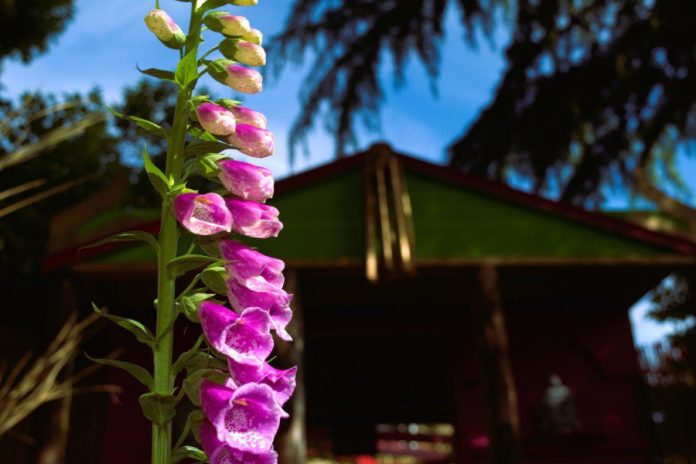
Foxgloves (Digitalis purpurea), with their striking tubular flowers and tall spires, are a beloved sight in gardens and wild landscapes alike. These biennial plants, native to Europe, North Africa, and Central Asia, have captivated the hearts of horticulturists and nature enthusiasts for centuries. However, their beauty belies a potent nature, for within the foxglove lies the source of a powerful heart medication. It’s worth knowning how to grow foxgloves
Botanical Elegance
The foxglove plant typically grows to a height of 2 to 5 feet, showcasing a rosette of ovate leaves at its base during the first year. In the second year, it sends up a tall flowering spike adorned with pendulous, bell-shaped blossoms. These flowers, often in shades of purple, pink, white, and yellow, are speckled with delicate patterns, adding to their visual allure. Foxgloves prefer partial shade and well-drained soil, making them versatile additions to various garden settings, from borders to woodland gardens.
Ecological Role
Foxgloves play a significant role in their ecosystems. The flowers attract a range of pollinators, including bees, butterflies, and hummingbirds, with their nectar-rich blooms. This pollination process is crucial for the propagation of many plants, ensuring biodiversity within their habitats. Additionally, foxgloves can thrive in areas with poor soil, often colonizing disturbed ground and preventing erosion, thereby contributing to soil stabilization.
Medicinal Significance
Despite their toxic nature, foxgloves have been utilized medicinally for centuries. The plant contains cardiac glycosides, compounds that have a profound effect on heart function. In the late 18th century, English physician William Withering discovered that an extract from foxgloves could treat dropsy (now known as congestive heart failure). This extract, known as digitalis, works by increasing the force of heart contractions while reducing heart rate, improving the efficiency of the heart.
Today, derivatives of digitalis, such as digoxin, remain vital in the treatment of certain heart conditions. However, the therapeutic use of foxgloves is a double-edged sword. The line between a beneficial dose and a toxic one is razor-thin, necessitating precise medical supervision. Symptoms of foxglove poisoning include nausea, vomiting, diarrhea, confusion, and even cardiac arrest, underscoring the plant’s potent nature.
Cultural Impact
The allure of foxgloves extends beyond their botanical and medicinal significance into the realm of folklore and cultural symbolism. In many traditions, foxgloves are associated with fairies and mythical creatures. The name “foxglove” itself is thought to derive from “folks’ gloves,” referring to the gloves of fairies or little folk. In Victorian flower language, foxgloves symbolized insincerity, perhaps a nod to their deceptive beauty.

Here’s an overview of some notable varieties of foxgloves:
1. Digitalis purpurea (Common Foxglove)
This is the most well-known species, characterized by tall spikes adorned with tubular flowers, typically in shades of purple, pink, white, and occasionally yellow. Popular cultivars include:
- ‘Alba’: Pure white flowers.
- ‘Excelsior Group’: Large flowers in a range of colors, often with spotted throats.
- ‘Pam’s Choice’: White flowers with deep burgundy throats.
2. Digitalis grandiflora (Yellow Foxglove)
Known for its soft yellow flowers, this perennial species is less commonly seen but highly valued for its hardiness and longevity in the garden.
- ‘Carillon’: Compact growth with light yellow flowers.
3. Digitalis lutea (Straw Foxglove)
This species has smaller, creamy yellow flowers and is appreciated for its delicate beauty and compact size, making it suitable for smaller gardens.
4. Digitalis lanata (Grecian Foxglove)
This species is particularly noted for its medicinal use. It has creamy white flowers with brown veins, giving them a distinctive appearance.
5. Digitalis obscura (Sunset Foxglove)
With rusty orange and red flowers, this species is native to Spain and prefers dry, sunny conditions, making it somewhat unique among foxgloves.
- ‘Dusky Maid’: Noted for its warm, dusky orange flowers.
6. Digitalis parviflora (Small-flowered Foxglove)
This species features smaller, chocolate-brown flowers and is notable for its striking color and compact growth habit.
7. Digitalis x mertonensis (Strawberry Foxglove)
A hybrid between D. purpurea and D. grandiflora, this variety features large, strawberry-pink flowers and combines the best traits of both parent species.
- ‘Summer King’: Known for its robust growth and deep pink flowers.
8. Digitalis ferruginea (Rusty Foxglove)
This species has tall spikes of rusty orange-brown flowers and is valued for its unique color and texture.
- ‘Gigantea’: Noted for particularly large flower spikes.
9. Digitalis thapsi
Native to Spain and Portugal, this species has pink-purple flowers and is more compact, making it suitable for rock gardens and borders.
10. Digitalis ambigua (Yellow Foxglove)
This species has pale yellow flowers and is similar to D. grandiflora but with a more delicate flower structure.
Cultivation and Care
For gardeners, cultivating foxgloves is both rewarding and straightforward. Planting foxgloves involves sowing seeds in late summer or early autumn. The seeds require light to germinate, so they should not be buried deeply in the soil. Once established, foxgloves require minimal maintenance. Deadheading spent flowers can encourage a second bloom, and allowing some flowers to go to seed ensures a self-sowing cycle for future growth.
Site Selection
- Light Requirements: Foxgloves prefer partial shade but can also tolerate full sun, especially in cooler climates. In hotter regions, some afternoon shade helps prevent wilting.
- Soil: Well-drained soil is crucial. Foxgloves thrive in loamy or sandy soil rich in organic matter. Ensure the soil is slightly acidic to neutral (pH 6.0-7.0).
Planting Foxgloves
- Sowing Seeds:
- Timing: Sow seeds in late summer or early autumn for blooming the following year, or in early spring for the same year’s bloom.
- Preparation: Prepare seed trays or a seedbed by ensuring the soil is fine and moist.
- Sowing: Scatter seeds thinly on the surface of the soil. Foxglove seeds need light to germinate, so do not cover them with soil. Press them gently into the soil to ensure contact.
- Watering: Mist the soil lightly to keep it moist but not waterlogged.
- Transplanting Seedlings:
- When seedlings are large enough to handle (usually when they have a couple of sets of true leaves), transplant them into individual pots or directly into the garden.
- Space the plants 12-24 inches apart, depending on the variety, to ensure good air circulation and room for growth.
- Direct Sowing: In regions with mild winters, foxglove seeds can be sown directly in the garden. Follow the same surface sowing method.
Caring for Foxgloves
- Watering: Keep the soil consistently moist, especially during dry spells. Foxgloves do not like to be waterlogged, so ensure good drainage.
- Mulching: Apply a layer of organic mulch around the base of the plants to retain moisture and suppress weeds.
- Fertilizing: Foxgloves typically don’t require heavy fertilization. An application of balanced, slow-release fertilizer in spring can help promote healthy growth and flowering.
- Staking: Tall varieties may require staking to support the flower spikes, especially in windy areas.
Maintenance
- Deadheading: Remove spent flower spikes to encourage a second flush of blooms. If you want foxgloves to self-seed, leave some flowers to mature and set seed.
- Pruning: After flowering, cut back the plants to the basal rosette of leaves to encourage more growth and maintain neatness.
- Pests and Diseases: Foxgloves are relatively resistant to pests but can be susceptible to fungal diseases like powdery mildew. Ensure good air circulation and avoid overhead watering to minimize these issues.
Overwintering
In colder climates, foxgloves benefit from some winter protection:
- Mulching: Apply a thicker layer of mulch around the base of the plants to insulate the roots.
- Covering: In regions with severe frost, cover the plants with a frost cloth or burlap.
Propagation
Foxgloves can be propagated through seed or basal cuttings:
- Seed Collection: Allow some flowers to go to seed. Collect the seeds once they are dry and store them in a cool, dry place until ready to sow.
- Basal Cuttings: In early spring, take cuttings from the base of established plants and root them in a mix of sand and compost.
Conclusion
Foxgloves are a fascinating blend of beauty and utility. Their striking appearance enhances garden aesthetics, while their medicinal properties continue to save lives. However, their toxic nature serves as a reminder of the delicate balance between nature’s bounty and its potential dangers. Whether admired in a garden, appreciated for their ecological contributions, or utilized in medicine, foxgloves remain a testament to the intricate relationship between humans and the natural world.
Foxgloves (Digitalis) – Grow Guide
Common name: Foxglove
Family: Plantaginaceae
Plant type: Biennial or short-lived perennial
Hardiness: RHS H5 – fully hardy throughout the UK
Height & spread: 60 cm–2 m tall × 30–60 cm wide (depending on species/cultivar)
Overview
Foxgloves are tall, elegant plants prized for their spires of tubular flowers in purple, pink, white, cream, or yellow. They are iconic cottage-garden plants and attract bees, butterflies, and hummingbirds. Most foxgloves are biennials, producing foliage the first year and flowering in the second. Some perennial cultivars flower for multiple seasons.
Position
- Full sun to partial shade
- Prefers sheltered locations in exposed sites
- Performs well in woodland edges, borders, and cottage gardens
Soil
- Moist, fertile, well-drained soil
- Slightly acidic to neutral pH (5.5–7.0) preferred
- Avoid waterlogged or heavy clay soils
Planting
- Seed sowing: Late spring–early summer outdoors or under cover
- Transplants: Plant established seedlings in spring
- Space plants 30–45 cm apart
- Mulch around young plants to retain moisture and suppress weeds
Watering
- Keep soil evenly moist during establishment
- Moderate watering once established; avoid drying out completely
- Reduce watering in winter
Feeding
- Apply a balanced fertiliser in spring to encourage growth and flowering
- Slow-release fertiliser in autumn for biennials to store energy for the following year
Growth & Habit
- Rosette of basal leaves forms in the first year
- Tall flower spikes develop in the second year (biennials) or repeat yearly in perennials
- Leaves are slightly hairy, forming a neat clump at the base
Flowering
- Months: June–July (some late-flowering cultivars bloom into August)
- Flowers: Tubular, arranged on tall spikes; colours range from purple, pink, white, cream, yellow, and spotted varieties
- Excellent for cut flowers and pollinator gardens
Maintenance
- Remove spent flower spikes to prolong flowering and reduce self-seeding if unwanted
- Leave some seed heads for natural reseeding in cottage gardens
- Divide clumps of perennial cultivars every 3–4 years to maintain vigour
Pests & Problems
- Slugs and snails can eat young leaves
- Powdery mildew or leaf spot may occur in humid or crowded conditions
- Biennials often self-seed readily
Propagation
- Seed: Most common method; sow fresh seed for best germination
- Division: Rarely used, mainly for perennial cultivars
- Cuttings: Can propagate short-lived perennials in spring
Garden & Display Use
- Cottage and informal borders
- Woodland edges or under light trees
- Containers for tall vertical interest
- Companion plants:
- Delphinium
- Aquilegia
- Heuchera
- Campanula
Quick Reference Table
| Feature | Details |
|---|---|
| Hardiness | RHS H5 – fully hardy |
| Height | 60 cm–2 m |
| Spread | 30–60 cm |
| Flowering | June–July (some late varieties until August) |
| Position | Full sun to partial shade; sheltered |
| Soil | Moist, fertile, well-drained; pH 5.5–7.0 |
| Water | Evenly moist; moderate once established |
| Feeding | Balanced fertiliser in spring; slow-release in autumn for biennials |
| Propagation | Seed (preferred); division (perennials) |
| Maintenance | Remove spent flowers; allow some self-seeding |
| Best feature | Tall spikes of tubular flowers attracting bees and butterflies |