Yes, you can lift allium bulbs after they have finished flowering. Here are the steps you should follow:
- Wait for the Right Time: Allow the foliage to die back naturally. This process allows the bulbs to store energy for the next growing season.
- Carefully Dig Up the Bulbs: Use a garden fork or spade to gently lift the bulbs out of the soil. Be careful not to damage them.
- Clean the Bulbs: Brush off any excess soil. If the bulbs are dirty, you can rinse them lightly, but make sure they dry thoroughly afterward to prevent rot.
- Inspect the Bulbs: Check for any signs of disease or damage. Discard any that are soft or moldy.
- Dry the Bulbs: Place the bulbs in a dry, well-ventilated area out of direct sunlight for a few days to cure.
- Store the Bulbs: Once the bulbs are completely dry, store them in a cool, dry place. Use paper bags, mesh bags, or shallow boxes with ventilation to avoid moisture buildup.
Allium bulbs typically produce new bulbs, or offsets, after the flowering season, during the summer and fall months. Here is a general timeline and process for their bulb production:
- Flowering Season (Spring to Early Summer): Alliums flower in late spring to early summer, depending on the variety.
- Post-Flowering (Summer): After flowering, the plant’s foliage will begin to die back. This is the time when the plant directs energy into the bulbs, including the production of offsets.
- Bulb Development (Summer to Early Fall): During the summer, the main bulb will develop and grow new bulbs, or offsets. These offsets will continue to grow and mature through the summer and early fall.
- Dormancy (Late Fall to Winter): By late fall, the bulbs, including the new offsets, enter a dormant phase. During this period, the bulbs rest and prepare for the next growing season.
When lifting and storing your allium bulbs after the foliage has died back, you may notice these new offsets attached to the main bulb. You can gently separate the offsets and store them along with the main bulbs, or you can replant them immediately if conditions are suitable. The new offsets will grow and eventually produce their own flowers in the following seasons.
Will they produce offsets if lifted and stored immediately after flowering?
Alliums typically produce offsets as part of their natural growth cycle, primarily after the flowering period as the plant’s foliage dies back and the bulb enters its energy-storing phase. If you lift and store the bulbs immediately after flowering, the production of offsets might be disrupted or incomplete, as the bulbs usually need time in the ground to develop these new bulbs fully.
Here’s what generally happens if you lift and store the bulbs immediately after flowering:
- Incomplete Development: The bulbs might not have enough time to develop offsets fully. The process of offset production is typically completed in the weeks following flowering when the plant is naturally directing energy towards bulb growth.
- Energy Storage: Alliums need to store energy in their bulbs for the next growing season, which happens as the foliage dies back. Lifting the bulbs too early might interrupt this process, potentially affecting the health and vigor of the bulbs and their ability to produce offsets.
- Storage Conditions: If bulbs are stored immediately after flowering without allowing the foliage to die back naturally, they might not be as robust. Ensuring the bulbs are completely dry and properly stored is crucial to prevent rot and other issues.
To ensure the best chance for offset production and healthy bulbs, it’s advisable to:
- Wait Until Foliage Dies Back: Allow the foliage to die back naturally before lifting the bulbs. This typically takes several weeks after flowering.
- Lift and Dry Properly: Once the foliage has died back, carefully lift the bulbs, clean them, and allow them to dry thoroughly before storing.
- Inspect and Separate: When lifting the bulbs, check for offsets. If offsets are present, you can separate them and store them along with the main bulbs.
By following these guidelines, you can help ensure that your allium bulbs have the best chance to produce offsets and remain healthy for the next growing season.
Allium – Grow Guide
Common name: Ornamental Onion
Family: Amaryllidaceae
Plant type: Bulbous perennial
Hardiness: RHS H5–H7 – hardy across the UK depending on species
Height & spread: 15 cm–1.5 m tall × 10–60 cm wide (varies by species)
Overview
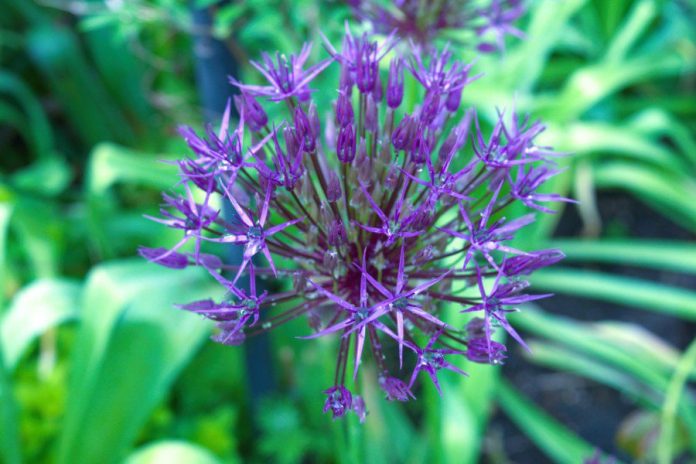
Alliums are dramatic, architectural plants valued for their globe-like flower heads and striking vertical form. They add height, colour, and texture to borders, gravel gardens, and containers. Flowers come in purple, blue, white, pink, yellow, and green, and are excellent for pollinators.
Position
- Full sun is ideal for strong flowering and healthy growth
- Tolerates light shade, though flowers may be smaller or delayed
- Well-drained positions prevent bulb rot
Soil
- Well-drained soil; sandy, loamy, or gravelly soils ideal
- Fertile soil improves flower size, but many alliums tolerate poor soils
- Slightly alkaline to neutral pH (6.5–7.5) preferred
- Avoid waterlogged conditions, especially in winter
Planting
- Plant bulbs in autumn (September–November) for summer flowers
- Depth: 2–3 times the bulb height
- Space bulbs according to mature size, usually 10–30 cm apart
- Large species (e.g., Allium giganteum) may require staking
Watering
- Water moderately during active growth
- Reduce watering after flowering as foliage dies back
- Avoid wet soil in winter to prevent rot
Feeding
- Apply a balanced fertiliser at planting and in spring as growth resumes
- Bulbs benefit from a high-potash feed to encourage larger flower heads
Growth & Habit
- Rosette of strap-like basal leaves in spring, dying back after flowering
- Tall flowering stems carry globe-shaped umbels
- Blooms can last 2–4 weeks depending on species
Flowering
- Months: Late spring–mid summer (May–July) depending on species and UK climate
- Flowers: Globular or star-shaped, in shades of purple, blue, white, pink, or yellow
- Excellent for cut flowers and pollinator-friendly gardens
Maintenance
- Remove dead flower heads to prevent self-seeding
- Allow foliage to die back naturally to nourish bulbs for next year
- Divide overcrowded clumps every 3–5 years
Pests & Problems
- Generally trouble-free
- Occasionally slugs and bulb flies
- Bulbs can rot in poorly drained soils
Propagation
- Offsets: Separate new bulbs in autumn when dividing clumps
- Seed: Possible but slower; hybrids may not breed true
Garden & Display Use
- Mixed borders and herbaceous beds
- Gravel gardens and alpine-style planting
- Containers for dramatic colour displays
- Companion plants:
- Roses
- Lavender
- Perennial grasses
- Allium species of varying heights for layered effect
Quick Reference Table
| Feature | Details |
|---|---|
| Hardiness | RHS H5–H7 |
| Height | 15 cm–1.5 m |
| Spread | 10–60 cm |
| Flowering | May–July |
| Position | Full sun; light shade tolerated |
| Soil | Well-drained, fertile; pH 6.5–7.5 |
| Water | Moderate in growth; reduce after flowering |
| Feeding | Balanced fertiliser; high-potash feed for flower size |
| Propagation | Offsets; seed (slow) |
| Maintenance | Remove spent flowers; let foliage die back naturally |
| Best feature | Architectural flower heads in bold colours, excellent for pollinators |